Introduction To Smart Fabrics
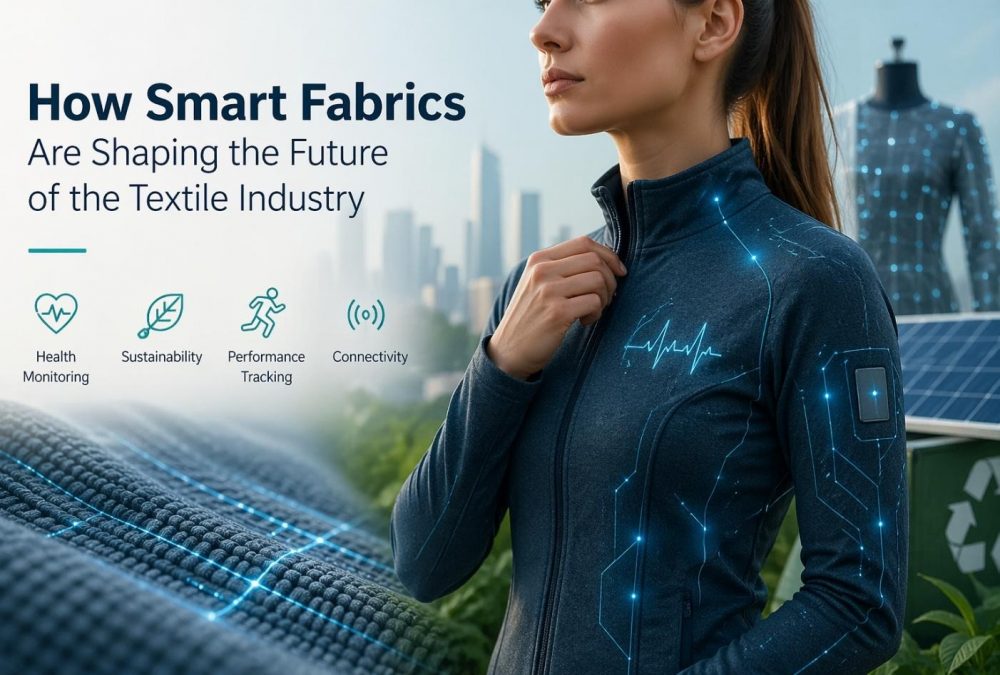
Intelligent or smart fabrics are innovations that are bringing about a technological revolution in the textile industry by introducing new functions to traditional textiles through smart integration with technology. The integration of electronic systems and other technological components in fabrics enables such fabrics to become adaptive to changing environments or demands.
The core benefit of a smart fabric lies in its capacity to combine technological features with regular textiles through features like electronic circuits, sensors, conductive threads, microcontrollers and others that enable the fabrics to detect environmental and biological information.
The sustainability aspect is another important area that has benefited from innovation in the field of smart fabrics. For instance, some intelligent textiles have the capability of maintaining optimal temperature without need for further cooling or heating. Some of these smart textiles feature energy harvesters that use energy generated from the wearer’s movements or solar energy to power personal gadgets.
Technological advancements in the field of nanotechnology, Artificial Intelligence, Specialty Polymers and material science are further expected to boost the development of smart fabrics.
Technology Behind Smart Fabrics
The science of smart fabric comes from the incorporation of electronic devices into textile material seamlessly, turning a piece of textile into something that is dynamic, responsive and interactive. This type of textile makes use of conductive fibres and yarns made from materials such as silver, carbon, or stainless steel, allowing electricity to flow through the fabric itself. This allows the textile to become an effective medium for communication without sacrificing its flexibility and softness, which makes it useful for clothing.
These smart fabrics incorporate miniature sensors that are capable of detecting any change in the environment or even inside the body. The sensor can measure factors like heat, pressure, motion and humidity. All of the data is then processed through the microcontroller embedded in the fabric which allows real time analysis and response.
The other equally important element of this technology is connectivity. Smart fabrics are able to connect to external sources like smartphones and computers via wireless communication technologies including Bluetooth and Near Field Communication (NFC). These enable the wearer to monitor health or fitness-related information through applications on their smartphones or computers.
Owing to the recent developments in nanotechnology, smart fabrics now perform even better than before. The development of nanofibers and coatings makes the smart fabrics more durable, waterproof and sensitive without compromising the fabric’s feel, aesthetic or appearance.
Role In Sustainability
Smart fabrics have become increasingly useful in integrating and promoting sustainability in the textile industry through addressing it’s one of the primary issues- high energy consumption.
Along with this, smart fabrics contribute to the concept of sustainability using their capacity to harvest energy from different sources, including renewable energy sources like solar energy or kinetic energy that results from body movements. These kinds of energy may then be harnessed to power small gadgets like fitness bands or sensors included in smart fabrics themselves.
Additionally, another important way of how smart fabrics assist in sustainability is due to their ability to be durable and functional. Smart fabrics have the capability to perform various tasks through one piece of cloth and hence, eliminating the need of multiple pieces of clothing. For instance, one can purchase a smart jacket that keeps you warm and at the same time monitors your health and connects you with the outside world.
However, the recycling problem of electronic gadgets within fabrics and electronic waste remains challenging but despite this, smart fabrics hold strong potential to make the textile industry more sustainable by combining technology with environmentally conscious design.
How Smart Fabrics Are Transforming the Textile Industry
Smart textiles represent one of the biggest innovations in the field of textiles and fashion industry because they transform simple clothes into intelligent fabrics able to perform functions that go way beyond providing coverage for the body.
In medicine and healthcare, these fabrics can monitor the vital parameters of patients allowing them to be observed remotely and diagnosed in time. In the areas of sport and fitness, such fabrics allow measurement of movement, postures, fatigue and much more. Smart textiles also find application in the areas of defence and industrial labour as well as in the automotive industry and homes where comfort and control are crucial.
Overall, with smart textiles, the textile and garment industry is transitioning from producing passive materials into innovative fabrics able to perform various tasks due to integration of technology. The emergence of this trend is fostering cooperation between the producers of textiles and technological innovation developers.
Conclusion
Smart fabrics have completely transformed the future of the textile industry by integrating modern technology with traditional materials to design intelligent fabrics. The days when comfort and aesthetics were the main driving forces in the textile industry have now evolved into demand for technology-driven industry with a wide variety of applications for smart fabrics from healthcare to daily usage.
Although there are still challenges in terms of manufacturing costs, durability and electronic waste that need to be resolved, constant development and breakthroughs in areas like nanotechnology, AI and material sciences are bound to solve these problems.
To sum up, the rise of smart fabrics represents a complete transformation from passive to intelligent systems that are bound to take centre stage in the next few years and drive the textile industry towards the future.