Contamination in a food or pharmaceutical pipeline builds up in crevices, threaded joints, and rough internal surfaces until it becomes a regulatory problem or a product recall. That single reality explains why SS 304 Buttweld Fittings dominate hygienic piping design across dairy plants, beverage lines, and pharmaceutical manufacturing.
What are SS 304 Buttweld Fittings?
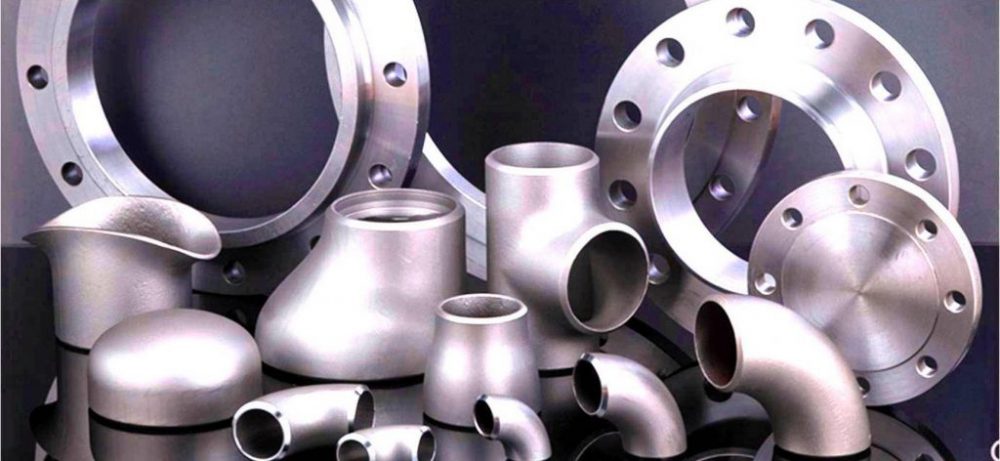
Buttweld fittings connect to pipes through direct welding rather than threads or socket joints. That distinction matters for hygiene: no mechanical gaps, no crevices where fluid can pool, no joints that loosen over time. Common types include elbows, tees, reducers, caps, and stub ends, each serving a different function in routing or controlling flow.
SS 304 carries 18–20% chromium and 8–10.5% nickel by composition. The chromium forms a passive oxide layer on the surface that rebuilds itself if scratched or abraded. Tensile strength runs to a minimum of 515 MPa, with yield strength at 205 MPa. That makes 304 useful in pressure systems that cycle over temperature ranges repeatedly, as is standard in CIP-intensive operations.
Key Reasons Engineers Choose SS 304 Buttweld Fittings
Smooth and Crevice-Free Construction
With a welded joint you have no inevitable recesses like you have with threaded or flanged connections. Fluid traps between thread peaks. Bacteria colonize those spaces. SS 304 buttweld fittings, once welded and properly finished, produce a near-flush internal surface with no interruption at the joint. For dairy and pharmaceutical lines running at 3-A or ASME BPE compliance, that smooth bore is a requirement, not a preference.
Excellent Corrosion Resistance
Food processing and pharmaceutical environments expose piping to sodium hypochlorite, phosphoric acid, and caustic soda at regular intervals. SS 304 holds up against most of these at standard service concentrations and temperatures. Dilute acids and alkaline cleaners do not react with the chromium oxide layer as they would with carbon steel; this leaves the interior surface intact between cleaning cycles, instead of progressively roughening by chemical attack.
The correct grade for environments with chlorides above 200 ppm or brackish water service for long periods is 316. Within normal food and beverage service conditions, 304 covers the requirement at a lower material cost.
Easy Cleaning and Maintenance
CIP systems push caustic and acid solutions through the pipeline at controlled temperatures, typically 70–85°C, without disassembly. The smooth bore of a buttweld fitting allows those cleaning solutions to reach every internal surface. No dead legs, no gasket pockets, no threads to trap residue.
Plants sourcing consistently finished fittings, including those available through Rajveer Stainless and Alloys, find their CIP cycle times shorter because the surfaces reach the required log-reduction standard faster. A rough or pitted surface demands longer contact time with the cleaning agent. That extra time per cycle compounds into production downtime over a year.
High Durability and Strength
Hygienic piping systems run continuously in most facilities. Temperature swings between a hot product run and a cold CIP rinse create thermal stress on fittings over thousands of cycles. With a yield strength of 205 MPa and a service temperature range that covers −196°C to 870°C short-term, SS 304 buttweld fittings handle those cycles without distortion or fatigue cracking in standard hygienic service conditions.
Pressure ratings for Schedule 10S fittings in 1-inch through 4-inch sizes cover the operating pressures in most food and beverage process lines, where working pressure rarely exceeds 150 PSI.
Cost-Effective Material Choice
SS 304 costs meaningfully less per kilogram than 316 or duplex. If the application is one where chloride exposure is low and temperatures are below 300°C, then the cost of the molybdenum in 316 is of no practical benefit. Engineers working on large food processing installations often specify 304 for the bulk of the system and switch to 316 only in sections with concentrated chloride exposure.
A properly executed buttweld joint needs no scheduled maintenance beyond external visual checks. Threaded or clamped joints require periodic re-torquing and gasket replacement. Over a 15–20 year plant life, that difference in maintenance frequency adds up to measurable labor and parts savings.
Industries That Commonly Use SS 304 Buttweld Fittings
Food Processing Plants
Beverage filling lines, packaged food conveyors, and condiment production all run 304 buttweld fittings in their process piping. The ability to run CIP without pulling the line apart makes these fittings standard in HACCP-compliant facilities.
Dairy Industry
Milk processing runs from raw reception at 4°C through pasteurization at 72°C and back down to chilled storage. Welded 304 fittings are the norm in most milk, cheese and yogurt production lines due to aggressive cleaning requirements and that temperature cycling.
Pharmaceutical Manufacturing
Process piping in API production and sterile filling must meet ASME BPE surface finish requirements, typically Ra 0.5 microns or better on product-contact surfaces. SS 304 achieves those finishes through electropolishing and supports the validation protocols pharmaceutical manufacturers must maintain.
Water Treatment Facilities
Potable water distribution at treatment facilities uses 304 stainless in sections requiring corrosion resistance beyond what galvanized or coated carbon steel can offer. The material does not leach into water and holds up against disinfection chemistry at standard dosing levels.
Factors Engineers Consider When Selecting Hygienic Fittings
Surface finish specification comes first. An Ra value must appear on the purchase order, not just the word “hygienic.” Compliance certification follows, specifically whether the fitting meets 3-A Sanitary Standards, ASME BPE, or EHEDG based on the application’s regulatory framework. The pressure and temperature ratings shall be equal to the line worst case operating condition. Chemical compatibility with the specific cleaning agents in use should be confirmed against published corrosion data.
Sourcing from suppliers who provide mill test certificates and material traceability keeps quality control straightforward, especially in facilities subject to third-party audits.
Conclusion
SS 304 buttweld fittings solve a particular problem: to provide a clean, inspectable and compliant flow path in systems where contamination has real commercial and regulatory ramifications. Their composition, surface characteristics, and connection method all contribute to that outcome. For most food, dairy, pharmaceutical, and water treatment applications operating under standard conditions, they deliver the required performance without the cost premium of higher alloy grades.