The logistics industry in Saudi Arabia is experiencing a phenomenal change, making the Kingdom one of the most powerful trade and transportation centers in the Middle East. The ambitious economic reforms, the growth of international trade and the massive investments in infrastructure have given the Saudi Arabia Logistics Industry a massive momentum. As the nation moves towards diversification of its economy beyond oil through the Vision 2030, logistics is a strategic sector that helps in the development of industries, production, e-commerce, and international trade. Modern ports and high-tech airports are only part of the solution to a problem created by Saudi Arabia that is going to make the transportation of goods both in the local and international market much faster and more efficient.
The global business community is realizing the huge potential within the Saudi Arabian market as the need and demand to have dependable transport, warehousing, freight forwarding and supply chain solutions expands. Both new entrants and existing companies in the Saudi market or expanding their operations in the Gulf region, can find a solution to partnering with an established Saudi logistics company to streamline operations and enhance overall efficiency of the supply chain. Organizations such as Oceantransits have realized the changing nature of logistics environment and the need to offer reliable and technology-based solutions that can satisfy the emerging demands of the global trade. With the industry going through a reshape with investments, Saudi Arabia is quickly becoming an ideal destination of any business looking to reinforce their regional and international supply chains.
Understanding Saudi Arabia’s Growing Logistics Industry
Saudi Arabia is strategically located in one of the most strategic geographic positions that link Asia, Europe and Africa via major shipping routes. The special status has enabled the Kingdom to emerge as a crucial entry point to international trade. In the last 10 years, the government has been working intensely to improve the infrastructure in the logistics sector, giving business people in various industries more opportunities.
A new logistics ecosystem of the country consists of the world-class seaports, international airports, vast networks of highways, modern railways and logistics parks. Such investments have enhanced transportation of cargo immensely besides cutting down transit time and transportation expenditures.
With the global trade growing by leaps and bounds, Saudi Arabia is capitalizing on its strategic strengths to make it become a regional logistics powerhouse that can serve local and international markets.
The Impact of Vision 2030 on Logistics
The Saudi Arabia logistics transformation has taken off with Vision 2030. The national development strategy is to lessen the reliance on oil revenues to create a diversified economy with other industries like manufacturing, tourism, technology, and logistics.
The creation of Saudi Arabia as a global logistics hub through the enhancement of non-oil exports and enhancing trade connectivity is one of the major goals. To do this, the government has spent much money on transport infrastructure, modernization of customs, digital technologies and reforms of regulations.
These advancements have made the business environment friendlier to investors both foreign and local and have promoted the involvement of the private sector in the logistic activities.
Strategic Geographic Advantage
Saudi Arabia is blessed with a superb geographical location which has positioned it as a natural connector between three continents.
This is where it is located and it has direct access to:
- Europe
- Asia
- Africa
- Gulf Cooperation Council (GCC) countries
The Red Sea and the Arabian Gulf are major shipping lanes that enable goods to flow freely across international markets.
This strategic benefit helps cut down on transit time, increase supply chain resiliency, and generate cost-effective transportation options to companies involved in international trade.
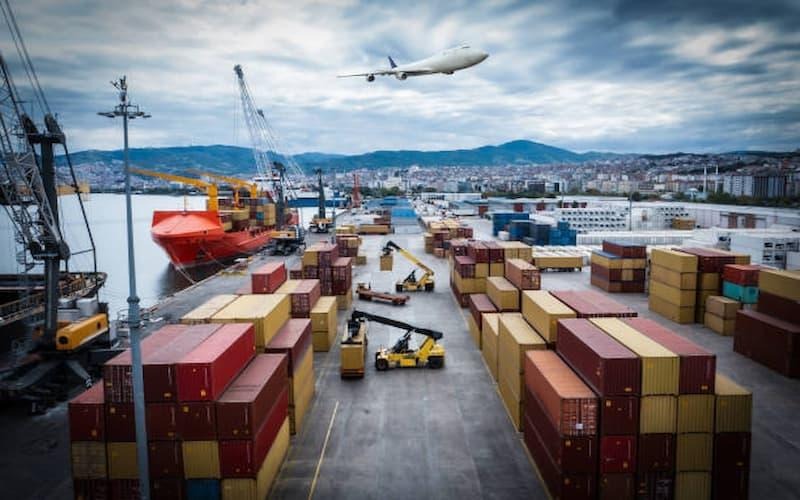
Expansion of Port Infrastructure
Saudi Arabia has greatly developed and modernized its port facilities in order to handle the increasing cargo.
The Kingdom has a number of large commercial ports which deal with:
- Container shipments
- Bulk cargo
- General cargo
- Industrial equipment
- Exports of oil and petrochemicals.
The port modernization entails automated cargo processing, electronic customs, increased container terminals and increased storage facilities.
Such upgrades enhance the efficiency of operations, decrease the turnaround of vessels and enhances customer service.
Development of Modern Logistics Zones
ILZs have become one of the significant aspects of the economic development strategy in Saudi Arabia.
These areas of specialization offer businesses:
- Warehousing facilities
- Distribution centers
- Customs clearance services
- Manufacturing support
- Value-added logistics services
Logistics parks enable business to focus operations and enhance inventory management as well as minimizing transportation expenses.
The zones also promote foreign direct investment through provision of the best infrastructure and easy business procedures.
Digital Transformation in Logistics
The logistics activities across Saudi Arabia are changing with the influence of technology.
The companies are implementing modern digital solutions like:
- Artificial Intelligence (AI)
- Internet of Things (IoT)
- Warehouse automation
- GPS fleet tracking
- Predictive analytics
- Blockchain technology
Digital transformation will help businesses to enhance shipment visibility, streamline delivery routes, cut costs of their operations, and increase customer satisfaction.
On-the-fly tracking and decision-making rooted in data have become key tools in ensuring an efficient supply chain operation.
Growth of E-Commerce and Distribution Networks
The e-commerce market is growing rapidly in Saudi Arabia, which has led to a surge of demand on logistics services.
Consumers increasingly expect:
- Faster deliveries
- Real-time tracking
- Flexible shipping options
- Reliable last-mile delivery
In order to deliver to these expectations, the logistics providers are investing in automated fulfillment centers, smart warehouses, and advanced transportation networks.
The further development of online retail business will enhance further logistics demand within the Kingdom.
Increasing Foreign Investment
The Saudi Arabian logistics market is enjoying a lot of confidence by international investors.
There are a number of reasons behind this increased interest:
- Business-friendly regulations
- Strategic geographic location
- Expanding infrastructure
- Government incentives
- Economic diversification
The logistics companies of the world are still establishing regional operations in Saudi Arabia to provide to the Middle East and global markets more effectively.
Innovations in the form of foreign investment also bring in new technologies, skills and best practices which make the industry more competitive.
Advanced Transportation Infrastructure
One of the largest transport systems in the region has been developed in Saudi Arabia.
The nation is still investing in:
- High-capacity highways
- Freight rail systems
- International airports
- Urban transportation
- Multimodal logistics solutions
The effective connectivity among ports, airports, industrial cities and distribution centers minimizes delays in transportation and enhances the overall performance of the supply chain.
Sustainability in Logistics
Sustainability of the environment in the logistics sector of Saudi Arabia has emerged as a very crucial subject of concern.
To ensure that their logistics are greener, companies are implementing:
- Fuel-efficient vehicle fleets
- Electric delivery vehicles
- Smart route optimization
- Energy-efficient warehouses
- Renewable energy integration
These projects facilitate the sustainability objectives of nations besides assisting companies to cut down the operating costs and carbon emissions.
The Role of Warehousing
The contemporary warehousing is important in facilitating effective logistics processes.
Saudi Arabia has invested a lot in:
- Automated warehouses
- Temperature-controlled storage
- Inventory management systems
- Distribution centers
- Smart fulfillment facilities
High-Tech warehouse technologies enhance inventory accuracy, quicken the order processing and lower operational costs.
These advances are particularly beneficial to pharmaceutical, food, automotive and retail industries.
Opportunities Across Multiple Industries
The growing logistics industry serves a variety of industries across Saudi Arabia.
Major areas that will benefit are:
- Manufacturing
- Retail
- Healthcare
- Construction
- Automotive
- Oil and gas
- Food and beverages
- E-commerce
An efficient transportation, storage, and distribution services, in turn, are essential to every industry and enable the flow of business and customer satisfaction.
Challenges Facing the Industry
Although it is growing rapidly, there are a number of challenges.
Among the main problems are:
- Rising transportation costs
- International supply chain discontinuities.
- Skilled workforce development
- Increasing customer expectations
- Technology integration
- Sustainability compliance
Nevertheless, the situation is changing as more business is being enabled by further investment and government assistance to combat these problems and enhance business resiliency.
Future Outlook of the Saudi Logistics Sector
The future of Saudi Arabia’s logistics industry appears exceptionally promising.
Market growth will be further driven by the continued investments in infrastructure, digital innovation, automation and international trade partnerships.
The use of new technologies like autonomous vehicles, deliveries by drones, robotics, and artificial intelligence is predicted to transform the logistics activities even more in the next years.
With Saudi Arabia reinforcing its role as a global logistic center, business will be able to look forward to better connectivity, efficiency, and more regional and international growth opportunities.
Conclusion:
The Saudi Arabia Logistics Industry is experiencing one of the most significant periods of growth in its history, fueled by Vision 2030, strategic infrastructure investments, digital transformation, and expanding international trade. The strategic geographical position of the Kingdom, accompanied by the contemporary port, airports, logistics areas and developed transportation system has provided businesses with a situation where they can transport goods more than ever before. With the ever-changing nature of the industries and increasing customer demands, Saudi Arabia is determined to establish a strong, technologically advanced logistics infrastructure that will help them to diversify the economy and compete in the global market in the long term.
To companies that are interested in engaging in well-known suppliers who have vast experience in the Kingdom such as the Oceantransits, they can provide the business with a considerable level of knowledge on how to maneuver in the fast-evolving logistics environment in the Kingdom. Through sustained innovation, sustainability and government supported programs, the Saudi Arabia Logistics Industry will be in an ideal position to become one of the most preferred logistics markets in the world, which will not only provide enduring opportunities to businesses, investors and international trade partners.