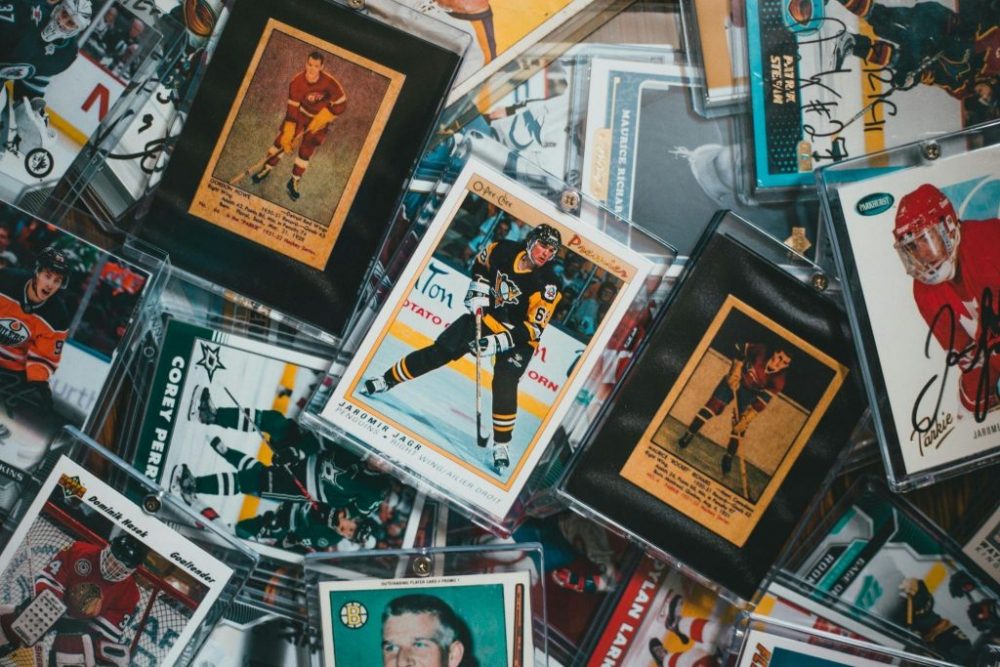
Trading cards are back, but not in the way most people remember. What was once a fading hobby has re-emerged as a fast-growing market, blending nostalgia with real financial upside.
Today’s collectors aren’t just chasing memories. They’re building portfolios. And understanding this shift could turn a casual interest into something far more valuable.
From Humble Beginnings to Major Markets
Card collections trace their origins to cigarettes and bubblegum. In the late 19th century, trade cards were inserted into cigarette packs to stiffen them. In 1886, a British company printed advertisements for use as those stiffening inserts.
Over time, those advertisements evolved into pictures on the cards. The original cards covered nature topics, war news, and sports. Over time, people started collecting the different cards in the packs.
In the 20th century, such cards were also added to bubblegum packs, and the contents focused more on sports. This led to the rise of baseball cards as a collectible industry. By the 1950s, collections were common, and cards were gaining value.
The concept expanded in the 90s with the release of Magic: The Gathering. This trading card game (TCG) featured collectible cards with original art that also served as game components. Individuals could collect cards and also build decks with them to play against each other.
Since then, many more TCGs and collectibles have emerged, to the point that the modern card-collecting market is valued at around $13 billion. Hobby supplies are turning into heirlooms.
Why Card Collecting is Booming Now
Baseball card collections have peaked and waned in popularity over the decades. So too have TCGs and other collectible card formats, but in the 2020s, the market seems to be growing faster than ever.
What is responsible?
No single answer can explain it all, but industry experts have their favorite theories.
According to some, the current boom is driven largely by millennials. As they advance in their careers, they have more disposable income and are returning to familiar childhood interests. New cards evoke nostalgia, adding an emotional dimension to the process.
At the same time, the markets have gained significant value, largely due to the rise of Pokemon. What started as a single video game grew into one of the most valuable intellectual properties in the world, and the Pokemon TCG provides a stream of potentially valuable cards that also appeal to nostalgia.
Outside of emotional appeal, the strength of collectible markets draws in seasoned investors. Using data analytics and modern investing techniques, they find ways to play the markets and make genuine returns from their collections.
It’s likely that all of these factors and more contribute to market growth, and that an industry has emerged around it.
Hobby vs Profit
When individuals want to graduate from hobby collecting and look into making informed investments, tools and strategies help. A hobby collection depends entirely on a person’s interests. A card investment portfolio carefully evaluates cards and aims to time markets.
In order to succeed as a card investor, understanding card value comes first. In general, four components determine a card’s value:
- Rarity. A card’s rarity determines its available supply. Reduced supply drives prices higher.
- Demand. Like any market, the relationship between supply and demand dictates average prices.
- Condition. As collectibles, cards in better condition are worth more than damaged counterparts.
- Grading. While grading is not universally necessary, a grade is a professional certification of a card’s condition (or quality), and it can significantly impact its price.
Ungraded Pokemon cards, for instance, can sometimes gain substantial value if they get graded to a 9 or 10 value.
Risks and Challenges
All forms of investment come with risks and obstacles. Trading cards offer no exceptions.
First, trading card markets are highly volatile. Before making any investment, understand that you could lose money, so never invest money you cannot afford to lose.
One of the biggest challenges is market timing. Cards are typically traded peer-to-peer, rather than through carefully regulated investment markets. This makes markets harder to measure and predict.
Additionally, trading cards follow viral trends. Investing in this market can feel more like WallStreetBets than index funds. Hype bubbles can seemingly emerge from nowhere and dissipate just as quickly. Showing up even a little late to the party can leave one holding a substantial loss.
On top of all that, trading cards are not physically robust. Easily damaged, they require careful storage and industry expertise to maintain their investment value.
All of these issues keep potential investors out of trading cards, and rightly so. However, if you have a passion for trading cards and work to maintain your knowledge, opportunities to make money do exist, and many people have profited from card purchases.