Oil and gas extraction pushes metal infrastructure to its absolute limits. High pressures combine with corrosive well fluids to destroy weak materials rapidly. Facilities need piping that survives these extremes for decades. Stainless steel pipes handle harsh environments without degrading. Plant engineers specify these components to keep operations running safely.
These alloys are classified by the crystal structure. The austenitic grades are the mainstay of the industry. Grade 304 is suitable for use with basic utility fluids and mild chemicals. Grade 316 is a 2% – 3% molybdenum stainless steel, which is more resistant to chloride pitting corrosion in salt water. Duplex stainless is a combination of austenitic and ferritic structures. This is a hybrid metal that is capable of withstanding both high stress and highly corrosive chloride environments.
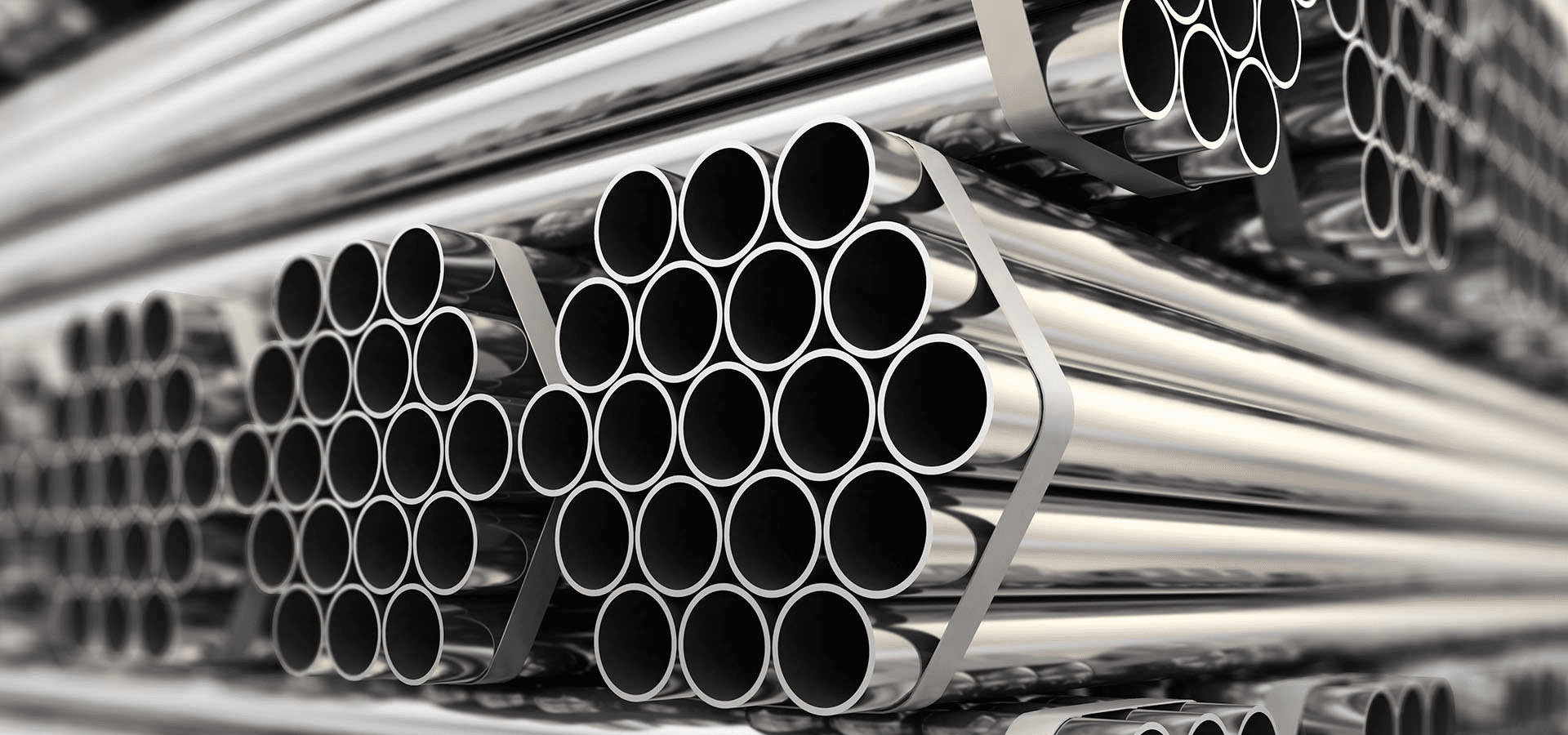
What Are Stainless Steel Pipes?
Iron alloys require at least 10.5% chromium to form a passive oxide layer. This microscopic chemical barrier blocks oxygen from reaching the underlying iron. The metal self-repairs if scratched. Plant operators rely on specific material grades to match different processing zones. Standard carbon steel lacks this chromium layer and flakes away rapidly when exposed to moisture and oxygen.
Metallurgists categorize these alloys by their crystalline structure. Austenitic grades dominate the industry. Grade 304 handles basic utility fluids and mild chemicals. Grade 316 contains 2% to 3% molybdenum to resist chloride pitting from saltwater. Duplex stainless combines austenitic and ferritic structures. This hybrid metal handles extreme mechanical stress and aggressive chloride exposure simultaneously.
Manufacturers produce two primary formats. Stainless Steel Seamless Pipes are produced by the steel mills by extruding solid billets to form seamless pipes. They are seamless variants which do not have a longitudinal weld seam and are able to withstand very high system pressures. The uniformity in the wall thickness all the way down the length of the pipe is achieved due to the extrusion process. Fabricators can also roll flat steel plates and weld the seam together to create Stainless Steel Welded Pipes. Welded versions cost less and work perfectly for large-diameter, lower-pressure utility lines. Facilities purchase these materials based on strict ASTM, ASME, and API specifications. Material test reports verify the exact chemical composition before any pipe enters the facility.
Why Stainless Steel Pipes Are Preferred in the Oil and Gas Industry
Raw crude contains hydrogen sulfide, carbon dioxide, and trapped saltwater. Standard carbon steel rusts rapidly under these conditions. SS Pipes resist this chemical attack directly.
Corrosion resistance stands as the primary engineering advantage. Sour gas environments destroy standard metals within months. High nickel and chromium concentrations prevent hydrogen embrittlement and sulfide stress cracking. Pressure containment represents the second major factor. Deepwater offshore wells often hit pressures exceeding 15,000 PSI. The piping infrastructure must contain that explosive force safely. Mechanical strength remains stable even at temperatures exceeding 400°C.
Operators get decades of continuous service from properly specified alloys. Leak resistance protects both facility personnel and the surrounding environment. Fabricators weld these materials easily during plant construction using standard TIG or MIG processes. The metal accepts welds without losing its structural integrity.
Maintenance crews spend less time replacing corroded pipe sections. Total lifecycle costs drop significantly compared to replacing cheaper materials every few years. Downtime costs oil companies millions of dollars per day. Installing durable piping upfront prevents those massive revenue losses. The initial material cost quickly pays for itself through uninterrupted production runs.
Applications of Stainless Steel Pipes in Oil and Gas Operations
Different extraction and processing facilities demand specific piping setups. Every zone presents unique chemical and mechanical challenges.
Offshore drilling platforms face constant external saltwater spray. Space remains strictly limited on these rigs. Engineers specify high-strength duplex alloys to reduce the required wall thickness. This cuts the overall weight of the platform. The stainless components resist atmospheric chloride attack while handling abrasive internal well fluids.
Onshore pipelines move corrosive wet gas across hundreds of miles of rough terrain. Soil chemistry fluctuates drastically along the route. External coatings occasionally fail. The inherent corrosion resistance of the metal prevents ground moisture from breaching the pipe wall.
Refineries process heavy crude at extreme temperatures to extract usable fuels. Alkylation units handle concentrated hydrofluoric or sulfuric acid. Only highly alloyed piping survives this continuous chemical exposure. Petrochemical plants transfer aggressive solvents continuously between reactor vessels. These process lines require absolute purity. The smooth internal finish of the pipe prevents product contamination.
Gas processing facilities separate natural gas liquids under high pressure. Cryogenic processing drops temperatures below -100°C. Standard steel becomes brittle and shatters at these extremes. Austenitic stainless steel retains its impact toughness at cryogenic temperatures.
Chemical injection systems pump concentrated corrosion inhibitors directly into the wellbore. The piping carrying these raw chemicals must withstand the undiluted chemical payload. Heat exchangers require thin-walled tubes that transfer thermal energy without degrading. Hydraulic systems power heavy blowout preventers on the rig floor. The hydraulic fluid must remain free of rust particles to prevent valve jamming. Storage and transportation terminals rely on these pipes to load chemical products safely onto tanker ships.
Factors to Consider When Selecting Industrial Stainless Steel Pipes
Engineers match the material directly to the exact service condition. Guesswork leads to rapid mechanical failures.
Fluid composition dictates the specific alloy grade required for the line. High chloride concentrations demand higher molybdenum content. Pipe dimensions and wall thickness must handle the maximum expected system pressure. Engineers calculate these tolerances using strict ASME B31.3 process piping codes.
Operating temperature limits dictate whether standard austenitic or specialty high-temp alloys work best. Metal expands when heated. Piping designers must account for thermal expansion rates to prevent buckled lines. Project budgets often force a choice between seamless and welded construction for large-diameter runs.
Procurement teams verify compliance with all relevant ASTM and API standards before issuing purchase orders. Quality certifications prove the metal matches the required mechanical properties. Sourcing from a reliable manufacturer prevents catastrophic facility failures caused by counterfeit materials. Traceability matters entirely in this sector. Every single pipe must have a heat number stamped clearly on its surface. Plant inspectors reject any material arriving without proper documentation.
Conclusion
The oil and gas sector runs strictly on reliable infrastructure. Weak materials cause unexpected leaks, hazardous explosions, and severe environmental disasters. Stainless alloys provide the exact mechanical strength and chemical resistance required to contain volatile fluids safely.
Facilities operate much longer between scheduled maintenance turnarounds. Specifying high-quality Industrial Stainless Steel Pipes from a trusted manufacturer keeps process lines safe. Proper material selection cuts long-term operating costs drastically. Plants maximize their uptime. The right piping infrastructure turns a dangerous chemical process into a controlled, profitable operation.