Aerospace manufacturing requires materials that survive extreme operating environments. Aircraft parts deal with high temperatures, constant oxidation, and massive mechanical stress. Engineers rely on specific grades of steel to handle these exact conditions. High Performance SS 310 Round Bars are specified very often in this sector. They bring intense heat resistance, strong oxidation resistance, and high raw strength. They maintain long-term reliability in aggressive flight conditions. Thermal shock and vibration are daily realities for these components. This blog covers the chemical properties, direct operational benefits, specific aerospace applications, technical specifications, and the exact factors to consider when selecting these round bars for your shop.
What are SS 310 Round Bars?
Stainless Steel 310 is a highly alloyed austenitic stainless steel. It functions primarily in high-temperature industrial environments. It contains 24 to 26 percent chromium and 19 to 22 percent nickel. The massive chromium and nickel content gives the steel heavy resistance to oxidation in continuous service up to 1150°C. In intermittent service environments, it works well up to 1035°C.
The alloying elements create a very stable internal structure. The carbon content is kept in check to manage brittleness. Manganese and silicon stabilize the metal during melting.
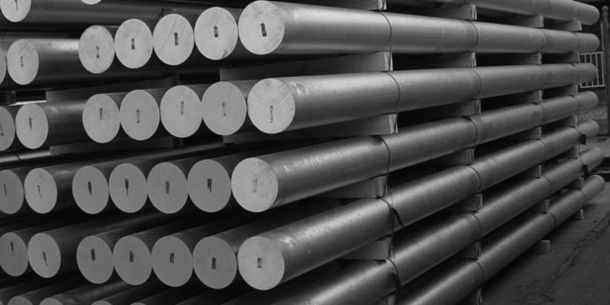
Manufacturers produce these bars in multiple sizes and diameters. You can procure them in different finishes like hot rolled black bars, cold drawn bright bars, and heavy forged bars. They are also supplied as hexagon or square bars depending on the specific machining requirement. These bars are often supplied alongside wire rods, billets, and blooms in the 300 series family.
Production normally follows the ASTM A276 310 Round Bar specifications along with other international standards. This specific standard sets the baseline for the mechanical limits of the metal.
Key Properties of SS 310 Round Bars
- Excellent high-temperature resistance: The metal retains physical strength at temperatures where standard steel grades simply melt or deform.
- Superior oxidation resistance: The heavy chromium level creates a tight protective scale on the surface. This stops oxygen from destroying the core metal.
- High tensile and creep strength: Creep deformation is a major issue in aerospace. Parts slowly stretch under heat. This grade resists creep under continuous high-heat stress.
- Good corrosion resistance: It handles aqueous corrosion moderately well. Its primary use is for heat applications.
- Excellent fabrication and weldability: Machinists can form and weld the material using standard heavy industrial practices. You do not need highly exotic tooling to cut it.
- Thermal stability under cyclic heating: Many metals degrade rapidly when heated and cooled repeatedly. SS 310 handles this thermal cycling without cracking.
- Long service life: The physical degradation rate is very low.
SS 310 Round Bars perform consistently under these distinct variables. A standard Stainless Steel 310 Round Bar acts as the foundation for parts exposed directly to extreme heat loads.
Role of SS 310 Round Bars in Aerospace Manufacturing
The aerospace sector uses this material for parts exposed directly to intense heat, pressure, and mechanical force.
- Aircraft engine components rely heavily on this alloy. Jet engines burn jet fuel at very high temperatures. The internal parts need to hold their shape and physical strength.
- Exhaust systems use the material to manage the hot gases exiting the engine blocks. The metal does not warp under the exhaust pressure.
- Turbine and combustion components operate in the absolutely hottest zones of an aircraft. A 310 Stainless Steel Round Bar is often turned and milled into specific turbine rings or shafts.
- Heat shields protect other sensitive aircraft sections from the engine heat. Thin sections are machined from larger stock to act as deflectors.
- High-temperature fasteners hold critical aircraft assemblies together. Standard steel fasteners would melt or shear off entirely. Bolts cut from 310 stock hold firm.
- Structural support components near the engine bays use this exact grade.
- Aerospace fabrication and precision machining shops cut these round bars down to exact tolerances for custom assemblies. Production requires an ASTM A276 310 Round Bar to ensure the base material responds correctly to the shop’s cutting tools.
- Ground support equipment also utilizes these heavy bars. Testing rigs, engine maintenance frames, and exhaust deflectors need similar heat resistance during ground tests on the runway.
Benefits of Using SS 310 Round Bars
- Exceptional performance at elevated temperatures stands out as the primary functional benefit.
- Excellent oxidation resistance prevents the metal from flaking. It does not lose structural integrity over time.
- Reliable mechanical strength keeps the aircraft parts totally intact under massive flight vibration and physical load.
- Reduced maintenance requirements. Mechanics do not need to replace the parts as often during routine teardowns.
- Long operational lifespan. The material survives thousands of flight hours before showing fatigue.
- Improved safety and reliability. Aircraft failure is not an option. Using the correct base metal prevents catastrophic component failure mid-flight.
- Cost-effective lifecycle performance. The initial cost of this specific alloy is higher than lower grades. The extended time between part replacements makes it far more cost-efficient over the actual lifespan of the aircraft.
Factors to Consider When Choosing SS 310 Round Bars
You must evaluate several hard parameters before buying raw materials for aerospace parts.
- Operating temperature: Verify the peak heat and continuous temperatures of the final application.
- Mechanical load requirements: Calculate the exact physical stress the machined part will face in the air.
- Bar dimensions and tolerances: The raw bar diameter should closely match the final machined part. This reduces heavy scrap waste in the machine shop.
- ASTM compliance: Always check the paperwork. The mill certificates must show the correct chemistry.
- Surface finish: A rough black bar might be fine for heavy lathe turning. A cold drawn bright bar works better for immediate precision work.
- Machining and fabrication needs: Determine your shop’s specific tooling capacity.
- Material certifications: Mills must provide a Material Test Certificate with every single batch.
- Supplier quality assurance: The vendor needs a strict inspection process. Established suppliers like Bhansali Exports maintain huge stock capacities of 30,000 tons per annum. They have deep experience handling rigorous quality control, providing gate passes, and arranging necessary material inspection by any third party. You need a supplier that actually understands the paperwork and rigorous physical testing required for aerospace grades.
Conclusion
SS 310 Round Bars handle the extreme realities of modern aerospace manufacturing. They deliver excellent heat resistance, oxidation resistance, mechanical strength, and physical durability under harsh operating conditions.
Aviation engineers and shop machinists need totally predictable materials. Selecting high-quality Stainless Steel 310 Round Bar products that comply exactly with ASTM standards helps improve final component reliability. It maintains strict safety and long-term mechanical performance in aerospace applications. Proper raw material selection prevents structural failures and keeps manufacturing operations running without unnecessary interruptions or material rejections.