The Surprising Truth About a Single Shade
Walk into your bedroom. Something feels off – but you can’t name it. Now swap your old, tired shade for a deep navy one. Suddenly the room feels calmer, more put together. Modifying such a space with a mere change can really be transformative? Yes. And when you know how you will never again look at table lamps. We will discuss the reasons why blue is the best colour, why certain colours are better in some rooms and how to prevent costly mistakes.
Why Your Brain Loves Blue (Without You Realising)
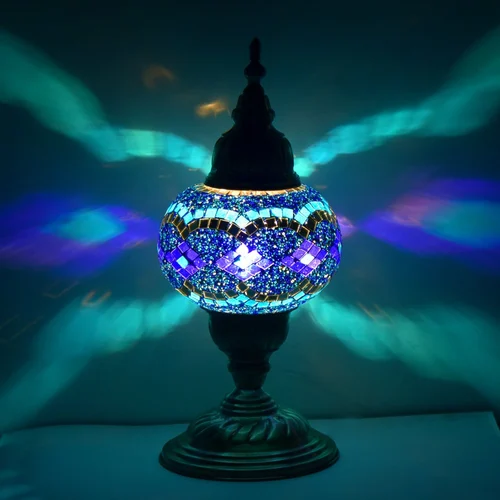
Blue isn’t just a colour you like – it actually lowers your heart rate and eases stress. Unlike red or bright yellow, which scream for attention, blue whispers “relax”. Blue lampshades for table lamps not only fades the light, but also sends your brain the message that it is time to relax. The emotional coloring of an entire corner can be changed by such a small one.
Not Just Pretty – It Changes the Light Itself
A white shade gives you neutral, honest light. But a blue one? It cools everything down. The room is less stuffy, with less yellow, particularly when the afternoon sun shines in. Just imagine that it was a filter – as on a pair of slightly-colored glasses. This is why blue is a great color to be used in the living rooms that face west.
Which Shade of Blue Belongs Where?
- Navy blue – cosy, intimate, sophisticated. Perfect for bedrooms and home libraries.
- Sky blue – fresh and open. Ideal for home offices or nurseries.
- Teal / aqua – playful, creative. Great for a kid’s room or art studio.
- Powder blue – soft, nostalgic. Lovely in bathrooms or reading nooks.
- Cobalt – bold and dramatic. Use it in a dining room as a statement piece.
Where to Put It – And Where to Think Twice
Bedroom: Stick with light blue or navy. Avoid bright cobalt – it’s too stimulating before sleep. Pair with white or beige bedding for contrast.
Living room: Sky or powder blue keeps things relaxed. Works beautifully with grey, beige, or cream sofas. Use it on a side table lamp, not the overhead.
Home office: Dark blue (not very dark) enhances concentration. In case you have a second lamp, then the shade of the other lamp should be neutral to provide balance.
Bathroom: Soft aqua or powder blue is cool, near spa. Dark blue is a bad idea – bathrooms already lack natural light.
Kids’ room: Let them pick. Teal or aqua encourages creativity. Navy can feel too heavy for small children.
Don’t Throw Away Your White Shades – Use Both
Neutral shades (white, beige, grey) are still your best friends for overhead lighting or small, dark rooms. But blue shines as an accent – on a table lamp, a floor lamp, anywhere that needs a calm focal point. The smart move? Keep your neutral ceiling fixture and add one blue table lamp. Instant balance.
Five Things to Check Before You Click “Buy”
First, feel the fabric. A thin, white-lined blue shade will cast a noticeable blue glow. A thick, dark blue shade just dims the light – less colour cast. Second, your bulb matters. A bright LED (2700K3000K) will help to avoid that cold, hospital atmosphere. Third, shape: the colour of drum shades is distributed more, the colour of bell shades is concentrated. Fourth, try before you commit – drape a blue scarf over your existing shade for a day. Fifth, size is not to be overlooked. The width of the shade ought to be about the height of your lamp, and must be at least a centimetre broader than the base of the lamp on all sides.
Real Scenes from Real Homes
Scenario A: A beige bedroom with warm, yellow light. Swap the bedside shade to navy. In a jiffy the room becomes cosy and sleepy.
Scenario B: A grey home office with a harsh overhead. Add a sky-blue table lamp. Headaches fade; focus improves.
Scenario C: An all-white living room that feels sterile. Introduce a teal lampshade on a floor lamp. The room gains personality without a single paint stroke.
Quick Answers to What You’re Wondering
Will a blue lampshade make my room look cold? Only if everything else is already cool – grey walls, grey sofa. Pair blue with warm wood or beige.
Can I use blue with yellow walls? Yes – blue and yellow are complementary. Just avoid neon shades.
Is it rent-friendly? Absolutely. It moves with you and leaves no damage.
Does blue work in a small, dark room? Not really. Blue absorbs light. Stick with white or very light beige in windowless spaces.
The One-Sentence TakeawayA well-chosen blue shade – especially blue lampshades for table lamps – can cool, calm, and refocus a room. But don’t replace everything at once. Buy one blue lampshades (there, that’s your single use) for an accent lamp. Live with it for a week. You will tell whether you would like more. The slightest change can be sometimes the one that can make a room seem like yours.