Mild Steel is the most heavily utilized metal among all Engineering Materials globally. It provides an effective balance of physical strength, ductility, affordability, and basic ease of fabrication. Many advanced alloys and stainless steels exist in the market. Still, Mild Steel remains the first choice for industrial projects because of its extreme cost-effectiveness and raw versatility. From commercial construction and automotive manufacturing to heavy machinery assemblies and standard industrial fabrication, Mild Steel Plates are necessary components in engineering applications.
Engineers look at the bottom line. Specialized metals cost more and take longer to process. Mild Steel solves basic mechanical needs quickly. You can weld it, cut it, and shape it using standard equipment. This explains why almost every factory floor depends on it daily.
What is Mild Steel?
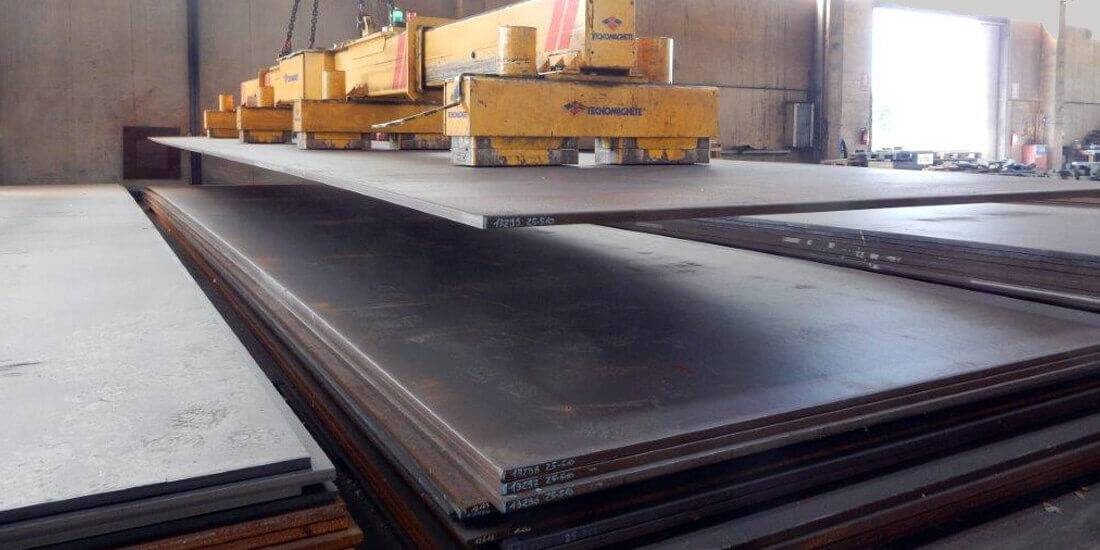
Mild Steel is a specific type of Carbon Steel. More accurately, it is Low Carbon Steel. The composition of Low Carbon Steel contains a maximum carbon percentage of roughly 0.25%. Sometimes it drops as low as 0.05%. This low carbon content creates the main difference between Mild Steel and high carbon steel. High carbon variants are very hard and brittle. Mild Steel is softer and easier to form. This fundamental chemical difference makes Mild Steel Manufacturing a simple process. Factories melt the iron ore, control the exact carbon amount, and cast it quickly. The final metal is easy to manufacture in massive volumes without complex thermal treatments. Suppliers distribute it in several common product forms to match different project needs. You will find it sold as plates, sheets, solid bars, hollow pipes, and structural sections like I-beams.
Key Properties That Make Mild Steel Popular
Here are the specific Mild Steel Properties driving daily industrial demand.
- Excellent strength-to-cost ratio: You get high load-bearing structural capacity for a very low material price compared to specialized metals.
- High ductility: The metal stretches significantly before breaking under stress. This helps absorb sudden mechanical impacts without structural failure.
- Good toughness: It resists fracturing from heavy blows. The material bends instead of cracking under extreme pressure or heavy loads.
- Excellent machinability: Standard shop tools cut and drill it easily. Tool wear remains low during regular daily factory processing.
- Easy cutting and bending: Factory workers can shape it using regular press brakes and standard gas cutters directly on site.
- Suitable for fabrication: Welders face zero issues joining parts together. The low carbon content directly prevents internal weld bead cracking.
- Availability in various thicknesses: Steel mills produce these metals in gauges ranging from very thin sheets to massive structural blocks.
- Recyclability: Industrial scrap yards melt down old components entirely. The newly cast metal retains all original mechanical strength and properties.
- Long service life with proper protection: Applying basic industrial paint or zinc galvanizing stops rust and extends the usable lifespan significantly.
Why Mild Steel is the Most Preferred Engineering Material
The practical Mild Steel Benefits explain its dominance globally. This metal is cost-effective compared to alloy steel. Plant managers save money buying it in bulk for structural frames. It is easy to fabricate into complex components. Workers bend and weld it into intricate machinery parts without pre-heating. It is readily available from local stockists and mills. Production never stops waiting for rare metal deliveries. It is suitable for mass production lines stamping identical parts daily.
It is compatible with different manufacturing processes like forging, machining, and rolling. Users get reliable mechanical performance out of every batch. Structural engineers trust the documented load ratings. It offers easy maintenance in the field. If a section bends, mechanics can often straighten it or weld a patch quickly. Buyers get customizable dimensions cut directly from standard stock. There is availability in standard engineering grades like S275. Both small workshops and large-scale industrial plants rely on it equally. The raw material scales up or down based on the specific volume required for the immediate job.
Industries That Depend on Mild Steel
Let us examine specific Mild Steel Applications and practical Mild Steel Uses across different sectors. Each industry prefers this metal over expensive alternatives because it provides adequate performance without budget overruns.
- Construction: Builders use enormous quantities for structural steel frames, concrete reinforcement bars, and basic building roofing supports.
- Infrastructure: Civil contractors build long-span bridges, highway guardrails, and heavy tunnel supports using these standard metal grades reliably.
- Automotive: Car manufacturers continuously stamp out vehicle body panels and structural chassis components from cold-rolled steel coils daily.
- Agriculture: Tractor frames, heavy field plows, and basic grain harvesting equipment use this tough metal to withstand outdoor wear.
- Railways: Train manufacturers consistently weld passenger cabins and heavy freight wagon bodies using standard steel sheets for structural integrity.
- Shipbuilding: Marine shipyards routinely construct transport barge hulls and commercial ship decks using thick marine-grade low carbon metal plates.
- Heavy engineering: Factories assemble large turbine housings, heavy press machine frames, and load-bearing base plates efficiently and safely.
- Industrial equipment: General machinery units, heavy motor casings, and standard factory conveyor systems rely entirely on these welded fabricated parts.
- Material handling: Forklift body frames, heavy lifting cranes, and tall warehouse racking systems require this rigid metal for load management.
- Storage tanks: Fabricators weld large-capacity liquid storage vessels, chemical containers, and industrial silos using standardized plate sizes quickly.
- General fabrication: Small local workshops make custom mounting brackets, secure metal gates, structural staircases, and simple working platforms for clients.
- Manufacturing plants: Operational facilities use the metal directly to build their internal workstations, safety machinery guards, and heavy equipment supports.
Conclusion
Mild Steel clearly dominates the industrial landscape. The metal provides mechanical reliability for engineering projects without driving material costs up. Factories, builders, and local fabricators will keep buying it because it cuts, bends, and welds with basic equipment. There is no need for specialized processing or rare chemical compositions. It simply gets the heavy work done efficiently. When your projects require structural integrity and fast fabrication, sourcing the right materials locally is critical. Triton Plates stands as a reliable partner in this supply chain. Triton Plates supplies verified materials matching dimensional requirements for immediate fabrication use. Contact Triton Plates to secure the industrial metal grades required for your next heavy engineering or commercial construction requirement.