Introduction
The automotive sector requires exact precision manufacturing to function. Car plants build thousands of vehicles daily. Factories rely heavily on durable tooling materials to cut and shape heavy metal components. Engine blocks, transmission parts, and chassis mounts require aggressive machining. High-speed tool steels do this work efficiently. Standard carbon steels melt or deform when cutting at factory speeds. Auto parts need mass production with minimal tool failure.
Plants use Industrial M2 Steel Bars to maintain consistent cutting speeds and reduce equipment downtime. The material handles the repeated stress of auto part fabrication better than many standard alloys. M2 Steel Bars hold their cutting edge during long production shifts. Tool makers buy these bars to fabricate the specialized cutters that auto plants consume daily.
What are M2 Steel Bars?
M2 steel bars are a type of molybdenum-based high-speed steel. The composition mixes tungsten, molybdenum, and vanadium. M2 is a standard choice in machine facilities. It balances toughness and hardness effectively. Machinists prefer it over older T1 steel. M2 has a lower cost and better structural properties. The material responds predictably to heat treatment.
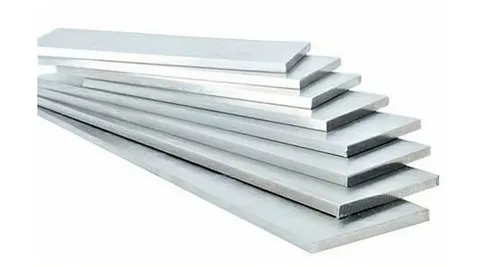
You will see these materials supplied as round bars, flats, and forged bars, depending on the facility’s requirements. Steel stockists warehouse M2 in the annealed condition. This soft state allows toolmakers to machine the raw bar into drills or dies before hardening the final shape. Once shaped, the tool goes into a furnace to reach its final working hardness.
Chemical Composition of M2 High Speed Steel Bars
Key Alloying Elements
- Tungsten (W): Typically around 6%. Tungsten improves hot hardness.
- Molybdenum (Mo): Around 5%. Adds toughness and maintains strength at high heat.
- Chromium (Cr): Around 4%. Helps with deep hardening and adds some baseline corrosion resistance.
- Vanadium (V): Around 2%. Forms hard carbides for abrasion resistance.
- Carbon (C): Usually 0.85%. Increases the base hardness of the metal matrix.
How Composition Enhances Performance
- High hardness: The carbon and alloy mix creates a very hard microscopic structure. M2 reaches 62 to 64 HRC after proper heat treatment.
- Wear resistance: Vanadium carbides stop the metal from degrading quickly against abrasive cast irons or steel alloys.
- Heat resistance: Tungsten and molybdenum stop the tool from softening. Cutting edges stay solid even when glowing slightly red.
- Cutting efficiency: The edge stays sharp longer during heavy machining operations.
Key Properties of M2 Tool Steel Bars
- Excellent Hardness: Maintains hardness even under heavy workloads. The metal resists physical deformation under immense clamping or cutting pressure. Machine operators push tools hard to meet quotas. M2 withstands this pressure.
- Superior Wear Resistance: Ideal for repetitive manufacturing operations. Factories use M2 Tool Steel Bars to cut thousands of identical parts without changing the machine setup. The metal holds its exact dimensions over time.
- High Hot Hardness (Red Hardness): Retains cutting performance at elevated temperatures. Friction heats up cutting tools very fast. M2 does not melt or lose shape under this heat.
- Good Toughness: Resists cracking and chipping. The metal bends slightly before breaking under impact load. Interrupted cuts on a lathe require this toughness. Brittle tools shatter when they hit a gap in the metal.
- Long Tool Life: Reduces replacement frequency and downtime. Facilities save money on buying new tools. Operators spend less time recalibrating machines.
Why the Automotive Industry Uses M2 Steel Bars
- High Precision Manufacturing: Supports tight tolerances and accurate machining. Auto parts must fit exactly. M2 steel keeps its shape so the final cut on an engine cylinder is always correct. Loose tolerances cause engine failure.
- Increased Production Efficiency: Longer-lasting tooling components. Assembly lines cannot stop to change broken drill bits constantly. Tool failures cause expensive bottlenecks.
- Reduced Tool Wear: Improved productivity in high-volume production. Less wear means fewer defects in the machined car parts. Quality control rejects fewer components when the cutting tool remains sharp.
- Cost Savings: Lower maintenance and replacement costs. Buying durable tool steel is more affordable than stopping the factory floor. Machine downtime costs more than the tool itself.
- Reliable Performance: Consistent results in demanding manufacturing environments. M2 acts the same way every time you heat treat it. Tooling engineers depend on this predictability.
Applications of M2 Steel Bars in the Automotive Industry
- Cutting Tools: Machine shops use M2 steel to make drill bits, milling cutters, reamers, and end mills. These tools handle continuous metal removal at high speeds. Excellent wear resistance prevents premature dulling.
- Automotive Dies and Moulds: Stamping dies and precision mould components require extended die life. M2 steel handles the massive force needed to stamp car door panels. This guarantees improved production consistency during repeated impacts.
- Punches and Press Tools: Sheet metal punching operations rely on superior resistance to wear. The punch stays sharp through thousands of metal sheets. M2 prevents jagged burrs on automotive body parts during mass manufacturing.
- Gear Manufacturing Tools: Transmission gears need exact teeth shapes. Factories use gear cutting tools, hobbing cutters, and shaping tools made of M2. The material carves the gear profile without leaving chatter marks.
- Engine Component Production: Machining tools cut engine blocks and cylinder heads. Cast iron destroys weaker tools fast. M2 face mills the engine block deck flat so the head gasket seals perfectly tight.
- Precision Automotive Components: Fuel injectors and brake master cylinders require specialized tooling for precision parts. Safety components cannot have variations. M2 reamers finish these holes to exact specifications with enhanced dimensional accuracy.
Advantages of High Speed Steel Round Bars in Automotive Manufacturing
Machine shops buy raw material to make their own tools. Factories prefer High Speed Steel Round Bars because they fit directly into lathe chucks and milling collets for custom tool creation.
- High Productivity: Speeds up the entire machining process.
- Longer Tool Service Life: Replaces the need for frequent tooling purchases.
- Excellent Heat Resistance: Handles dry machining and poor coolant situations well.
- Improved Machining Accuracy: Deflects less under heavy feed rates.
- Reduced Downtime: Machines keep running instead of waiting for tool swaps.
Factors to Consider When Selecting M2 Steel Bars
Purchasing the right metal matters. Engineers look at several variables before placing an order. Sourcing material from established dealers like IMI Alloys India guarantees the steel meets the chemical specification.
- Tooling Application: Different tool shapes need different starting bar stock. Round bars make drills. Flat bars make stamping inserts.
- Operating Temperature: Check if the cutting zone will exceed the red hardness limit of M2.
- Wear Conditions: Evaluate how abrasive the target auto part material is. Cast iron creates abrasive dust.
- Machining Requirements: Look at the speeds and feeds planned for the machine tool.
- Production Volume: High volumes justify the initial cost of M2 steel tooling over cheaper carbon steels.
Conclusion
M2 Steel Bars dominate automotive manufacturing and tooling applications. Auto plants need materials that cut metal without breaking. M2 High Speed Steel Bars, M2 Tool Steel Bars, and High Speed Steel Round Bars deliver extreme hardness, strong wear resistance, and high-temperature performance.
They are standard for cutting tools, dies, punches, gear manufacturing, and precision automotive production. M2 steel bars help manufacturers improve productivity, maintain precision, and reduce tooling costs in modern automotive operations.