Ring Type Joint Flanges are reliable flange designs used in high-pressure and high-temperature piping systems. Industries like oil and gas, petrochemical, offshore, power generation, and chemical processing prefer RTJ flanges for leak-proof sealing. This article explains their construction, working principle, available types, materials, advantages, standards, and industrial applications. It will help buyers choose the right flange for their piping systems.
What are Ring Type Joint Flanges?
Ring Type Joint Flanges have a specific machined groove on their face. This groove holds a metal ring. They rely on metal-to-metal sealing. Conventional flange faces usually press a soft gasket between flat or raised surfaces. A Ring Joint Flange compresses a solid metal ring into the groove.
The groove design forces the metal ring to deform and create a tight seal. These are High Pressure Flanges. Engineers specify them in API classes up to 20,000 psi. Offshore platforms, refineries, and deep-sea pipelines install them regularly. The metal seal holds fluids that would easily destroy standard soft gaskets.
How Ring Type Joint Flanges Work
A Ring Type Joint Gasket sits inside the machined groove. Mechanics tighten the bolts on the flange connection. The bolt tightening process pushes the two opposing flanges together. The pressure squeezes the metal ring into the grooves.
The compression deforms the softer metal of the ring gasket. This creates a leak-proof seal. The metal-to-metal contact survives extreme pressure and temperature. Mechanics must apply proper torque during installation. Uneven tightening damages the groove or the ring. Dirt in the groove also ruins the seal. The ring gasket must always be softer than the flange metal. This forces the replaceable ring to deform instead of the expensive flange face.
Types of Ring Type Joint Flanges
Buyers look at different RTJ Flange Types based on pipe connections.
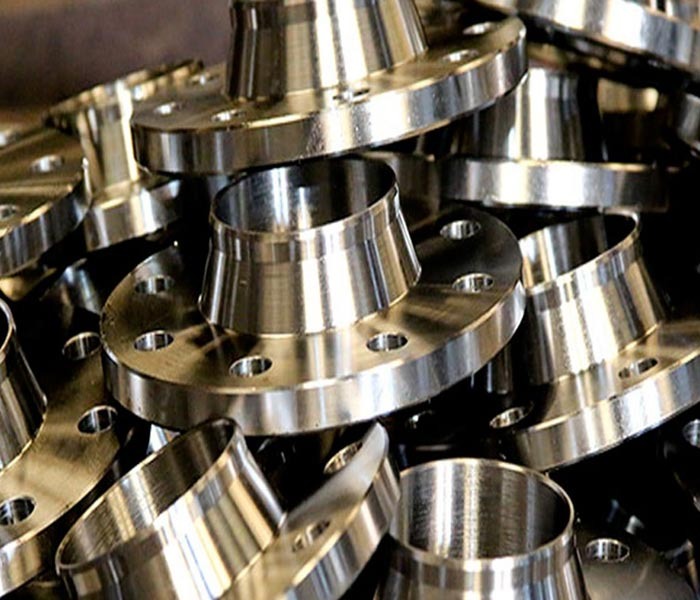
- Weld Neck RTJ Flanges: These have a long tapered hub. Welders join them directly to the pipe. They handle the highest stress and pressure.
- Slip-On RTJ Flanges: These slide over the pipe end. They are welded inside and outside. They are simpler to install but handle less stress than weld necks.
- Blind RTJ Flanges: These seal the end of a piping system. They block the flow and handle high pressure at pipe terminations.
- Socket Weld RTJ Flanges: These have a socket where the pipe sits. Welders apply a fillet weld.
- Threaded RTJ Flanges: These connect to threaded pipes without welding. They work well in explosive environments where welding is prohibited.
- Lap Joint RTJ Flanges: These slide over the pipe and sit against a stub end.
These types are available in standard ASME pressure ratings.
Materials Used for Ring Type Joint Flanges
Material selection depends on the operating pressure, temperature, corrosion resistance, and the media handled inside the pipe.
Carbon Steel works for standard applications. Stainless Steel provides basic corrosion resistance. Duplex Stainless Steel and Super Duplex Steel handle aggressive environments with very high strength. Alloy Steel is common in high-temperature lines.
For harsh chemicals or extreme heat, buyers specify Nickel Alloys. Specific grades include Inconel, Monel, and Hastelloy. The metal of the flange must be harder than the metal of the ring gasket. A Ring Type Joint Flange Manufacturer will supply the exact material grade required by the piping specification. Companies manufacture these products in various grades.
Advantages of Ring Type Joint Flanges
These flanges provide excellent leak-proof performance. They remain completely reliable under very high pressure. They handle elevated temperatures easily. The heavy construction gives them strong mechanical strength. They have a long service life in tough environments.
High sealing efficiency means plants experience fewer leaks. This leads to reduced maintenance downtime. Using metal seals improves safety in critical applications. They handle hazardous fluids and highly flammable gases without gasket blowout risks. The rigid joint holds piping systems firmly in place. The metal ring also handles thermal expansion well. When the pipes heat up and cool down, the metal ring maintains contact with the groove.
Common Industrial Applications
You find Ring Type Joint Flange Applications mostly in heavy industry. Oil and gas pipelines use them at wellheads and distribution points. Offshore platforms rely on them because salt water and high pressure destroy standard joints. Petrochemical plants and refineries use them for heavy processing lines.
Chemical processing facilities handle toxic chemicals with these flanges. LNG terminals require them for cryogenic operations. Power plants install them on high-pressure steam lines. Marine engineering systems use them for ship propulsion piping. Pressure vessels connect to piping networks using these heavy-duty flanges. Each industry prefers RTJ flanges because standard flat faces cannot hold the required pressures. API Ring Type Joint Flanges are very common in upstream drilling equipment.
Ring Type Joint Flanges vs Raised Face Flanges
The sealing method is the main difference. A Raised Face flange uses a flat gasket squeezed between two raised surfaces. An RTJ flange uses a metal ring squeezed into a groove.
The pressure capability of RTJ is much higher. Raised Face flanges work up to Class 600 usually. RTJ handles Class 900 to Class 2500 easily. Cost is different too. RTJ flanges cost more to manufacture due to the precision machining of the groove. Installation takes more care for RTJ. Dirt or scratches in the groove stop the seal from working entirely. Maintenance is generally easier on Raised Face systems. Raised Face works for utility water. RTJ works for high-pressure gas.
Factors to Consider Before Selecting Ring Type Joint Flanges
Buyers need to check several factors. The maximum operating pressure and operating temperature influence the flange class. The pipeline medium dictates the metal grade. Material compatibility between the flange and the gasket is critical. Engineers must verify the correct RTJ Flange Dimensions for the pipe size.
The pressure rating must match the overall system design. Common ring shapes are octagonal and oval. Corrosion resistance determines if carbon steel or an alloy like Inconel is needed. Buyers must verify applicable standards like ASME B16.5 or API 6A. Installation requirements affect the choice of weld neck or slip-on. Long-term maintenance costs factor into the final purchase. You can source Industrial RTJ Flanges from an experienced Ring Type Joint Flange Supplier to get the correct specifications.
Conclusion
Ring Type Joint Flanges handle the highest pressures and temperatures in heavy piping systems. The metal ring and groove design creates a very strong seal. Weld neck, blind, and slip-on versions fit different installation needs. Proper material selection keeps the connection safe from rust and pressure failures.
Buyers must consider operating conditions and dimensions before purchasing. Companies such as Tesco Steel & Engineering are engaged in manufacturing and supplying these flanges. They supply stainless steel, duplex, carbon steel, and special alloys. Matching the right flange to the right application keeps pipelines running without leaks.