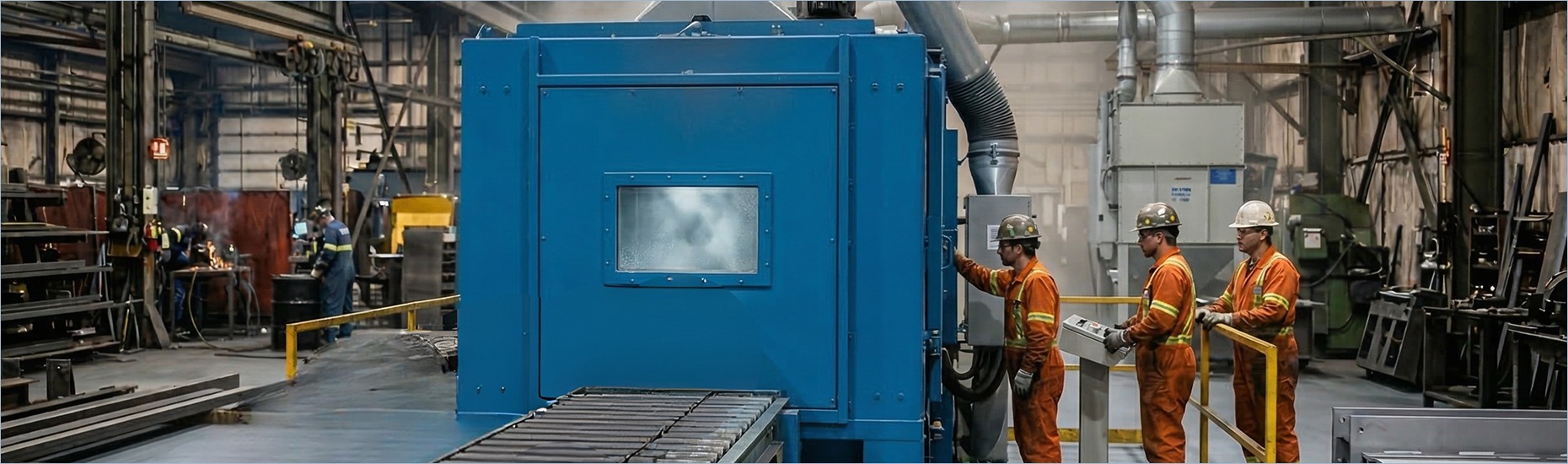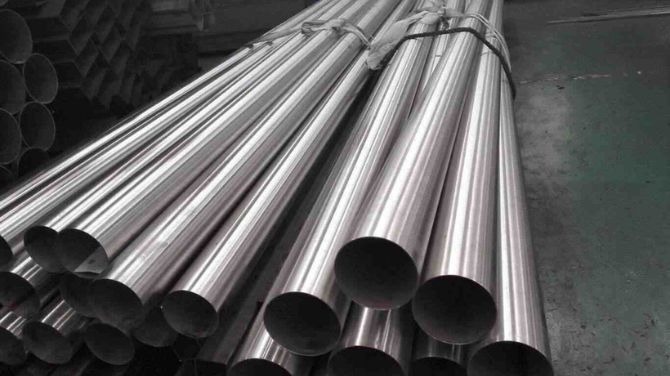
Petrochemical plants run under demanding operating conditions, where equipment handles extreme temperatures, corrosive chemicals, and aggressive process environments daily. Pressure fluctuations happen often. Selecting the right piping material affects plant safety and impacts efficiency and maintenance costs. Carbon steel fails early here, so plant operators rely on 310 Stainless Steel Pipes for these systems. This specific grade handles intense heat and resists corrosion better than standard materials. Engineers specify this material for long-term use in severe applications. Industrial 310 Stainless Steel Pipes survive environments where regular carbon steel degrades quickly, and choosing this grade prevents sudden failures while keeping the plant running without unexpected downtime. Operators save money on replacements over time.
Understanding 310 Stainless Steel Pipes
It differs from conventional stainless steel grades like 304 or 316. The chemical composition includes high chromium and nickel content. It contains about 25 percent chromium and 20 percent nickel. This heavy alloy mix creates excellent oxidation resistance. The material has superior mechanical strength and maintains it at high heat. It retains performance at elevated temperatures up to 1150 degrees Celsius. Buyers choose 310 Seamless Pipes for high-pressure systems. They buy 310 Welded Pipes for large structural lines. A Stainless Steel 310 Pipe handles conditions that melt standard pipes. The chromium layer stops rust. The nickel adds toughness. This makes the metal stable during long production runs.
Why Petrochemical Plants Require High-Performance Pipes
The operating environment in petrochemical facilities is aggressive. The systems run at continuous high temperatures day and night. Fluid flows involve corrosive chemicals and acids. The lines move sulfur-containing gases that damage basic metals. Steam lines operate at high pressures to transfer heat; these pressure fluctuations stress the pipe walls constantly. Thermal cycling happens during shutdowns and startups. In this process, the pipes expand and contract repeatedly. The exterior faces harsh outdoor conditions. Ordinary carbon steel rusts and weakens fast and lower stainless grades crack under these stresses. A Stainless Steel Pipe for Petrochemical Industry must endure all this simultaneously. Plant owners cannot afford leaks. You need Heat Resistant Stainless Steel Pipes to survive these combined forces. Standard metals scale and crack under these demanding conditions.
Key Reasons 310 SS Pipes Are Preferred
- Excellent resistance to oxidation at elevated temperatures stops heavy scaling inside the pipe wall during long production runs.
- Outstanding corrosion resistance in aggressive chemical environments protects the system from highly concentrated acids and reactive agents.
- High strength under continuous heat exposure ensures these High Temperature Stainless Steel Pipes do not sag between supports.
- Resistance to thermal fatigue prevents structural cracking when the processing unit repeatedly heats up and cools down.
- Long operational lifespan means the plant replaces these specific Industrial Stainless Steel Pipes less often than carbon alternatives.
- Reduced maintenance and replacement frequency lowers total labor costs for the facility maintenance team every working year.
- Good weldability and fabrication properties allow site workers to install SS 310 Pipes quickly without expensive preheating procedures.
- Reliable performance in continuous processing plants keeps the production schedule safe from sudden failures or pipe bursts.
- Lower lifecycle costs despite higher initial investment makes long term financial sense for large scale chemical refinery operations.
Applications of 310 SS Pipes in Petrochemical Plants
- Furnace piping utilizes the metal because it withstands direct flame exposure and extreme internal heat without warping.
- Heat exchangers rely on the material to transfer thermal energy efficiently without degrading from aggressive chemical exposure.
- Reformer units use this grade to handle intense heat required to convert hydrocarbons into synthetic gas products.
- Steam pipelines need these tubes to contain high pressure superheated water vapor traveling rapidly across the facility.
- Process piping moves hot corrosive liquids between tanks safely without contaminating the product with metallic rust particles.
- Boiler systems apply the alloy to resist heavy scaling and oxidation during continuous high temperature water heating operations.
- Catalyst handling units require strong metal to resist the abrasive and corrosive nature of active chemical catalysts.
- Flue gas systems use the material to vent hot sulfurous exhaust gases safely away from the processing units.
- High-temperature transfer lines transport boiling fluids safely between different refinery processing stages without structural degradation.
- Refinery processing units depend on an ASTM A312 TP310 Pipe to endure extreme crude oil cracking temperatures.
Factors to Consider Before Selecting 310 Stainless Steel Pipes
Engineers review specific parameters before ordering. The operating temperature is the main metric. You must match the heat limits of the alloy. Pressure requirements decide the wall thickness, while chemical compatibility determines if the chromium content will survive the fluid. Pipe dimensions must fit the existing plant layout. The seamless vs welded selection depends on internal pressure ratings. Buyers look at ASTM specifications to ensure proper manufacturing standards. Surface finish affects how debris flows through the line. Testing standards verify the metal holds up to stress. Quality certifications prove the material is genuine. A good SS 310 Pipe Supplier delivers accurate testing paperwork with the shipment. You buy exactly what the plant needs based on these hard numbers.
Conclusion
Petrochemical plants demand tough materials for daily operations. Standard metals fail quickly in hot and corrosive environments, but 310 stainless steel solves these problems effectively. It handles extreme heat and chemical attacks simultaneously. Plant operators use it to build safe and lasting infrastructure. The high chromium and nickel content guarantees performance and reduces long term maintenance costs. The initial price pays off through fewer replacements and zero sudden failures. Selecting the correct specifications keeps the facility running smoothly. Prime Steel & Alloys supplies reliable piping for these exact applications. Prime Steel & Alloys provides tested and certified materials to meet all chemical plant requirements. You get durable pipes that survive the worst industrial conditions reliably.