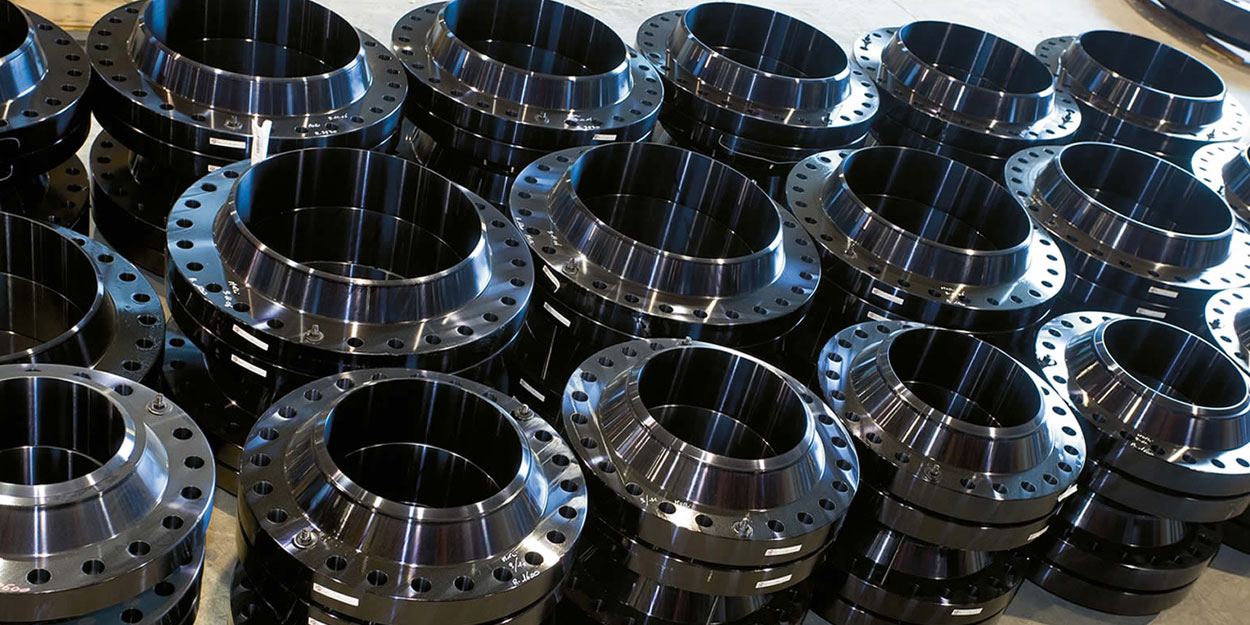
A carbon steel flange connects pipes and valves in industrial facilities. Proper selection prevents leaks and contains pressure safely. Engineers evaluate ratings and material grades before selecting a type. Exact service conditions establish the final specification. Choosing the correct flange improves safety and cuts down maintenance hours. The long-term performance and reliability of an industrial piping system depend significantly on the correct flange selection. Different industries rely on these components to keep daily operations running. They form the primary structural joints of process equipment. The right choice prevents costly facility shutdowns.
Understanding the Role of Carbon Steel Flanges in Industrial Piping Systems
Flanges provide joints in piping networks. They allow for inspection and modification without cutting pipes.
What Is a Carbon Steel Flange?
A carbon steel flange is a forged metal ring designed to connect sections of pipe. It creates a secure joint that withstands internal pressure. Two flanges bolt together with a sealing gasket in between. Flanged connections simplify routine maintenance in operations. Flanged connections simplify inspection, maintenance, and component replacement without cutting the piping system. These components handle high mechanical stress and keep dangerous fluids contained securely. They serve as the primary connection method for larger diameter piping assemblies in heavy industry.
Why Carbon Steel Is Widely Used for Flanges
Carbon steel provides high mechanical strength. The material withstands impact and physical damage during installation. It is economical compared to specialised metal alloys. The metal machines well and welds easily to connecting pipes. The versatility of carbon steel allows it to function in extreme temperatures, depending on the exact grade. It handles standard water lines and high-pressure steam environments. Engineers specify this material primarily for its reliable structural integrity under continuous steady loads.
Key Factors to Consider When Selecting a Carbon Steel Flange
Engineers must evaluate several technical parameters before selecting a flange.
Operating pressure and temperature requirements
The system pressure determines the required flange class. High temperatures reduce the structural strength of the metal. The flange must maintain its pressure rating at the maximum operating temperature.
Nature of the transported fluid or gas
The chemical composition of the fluid affects material selection directly. Corrosive liquids require protective coatings. The flange must safely contain volatile gases without degrading over time.
Corrosion and environmental exposure conditions
External environments cause rapid flange degradation. High humidity accelerates rusting on bare carbon steel surfaces. Protective coatings are commonly applied where atmospheric corrosion or harsh environmental exposure is expected.
System design and piping specifications
The overall piping design determines the required connection type. Engineers match the flange facing to the pipe specifications. Accurate joint alignment prevents mechanical stress on the bolted sections.
Different Types of Carbon Steel Flanges and Their Applications
Industrial systems require specific flange configurations based on pressure and installation space.
Weld Neck Carbon Steel Flanges for High-Pressure Systems
Weld-neck flanges feature a long tapered hub. This transfers mechanical stress from the flange directly to the pipe. They operate well in high-pressure environments and handle severe temperature fluctuations.
Slip-On Carbon Steel Flanges for General Industrial Applications
Slip on flanges slide directly over the pipe end. They require two fillet welds for permanent installation. They are commonly used in low- to moderate-pressure applications where ease of installation and cost efficiency are priorities.
Blind Carbon Steel Flanges for Pipeline Termination
Blind flanges have no centre bore. They cap the open ends of piping systems. These flanges handle high bending stress from internal line pressure and allow easy access.
Socket Weld and Threaded Flanges for Specialized Installations
Socket-weld flanges connect small-diameter pipes securely. Threaded flanges screw onto the pipe without requiring welding. Engineers use threaded types in explosive areas where welding is not permitted safely.
Lap Joint Flanges for Systems Requiring Frequent Maintenance
Lap joint flanges slide over a stub-end connection. They spin freely on the pipe for easy bolt alignment. Systems requiring frequent dismantling rely heavily on this design.
Understanding Pressure Ratings and Class Specifications
Pressure classes define the maximum allowable working pressure for the joint. The final rating depends on the material grade.
Importance of pressure classes in flange selection
Pressure classes range from 150 to 2500. A higher class indicates a thicker flange body. Selecting the correct class prevents joint failure and ensures network safety.
Matching flange ratings with piping system requirements
The flange rating must strictly exceed the piping design pressure. Mismatched ratings create dangerous weak points. Engineers verify pressure-temperature charts to confirm exact compatibility and prevent blowouts.
Considerations for high-pressure and high-temperature applications
High temperatures lower the effective pressure capacity of the steel. A Class 300 flange holds less pressure at 400 degrees than at room temperature. Engineers calculate these drops carefully.
Material Grades of Carbon Steel Flanges and Their Industrial Significance
The specific grade of carbon steel defines its mechanical properties. Different operating environments require distinct chemical compositions.
Common Carbon Steel Flange Grades Used in Industry
ASTM A105 is the standard material grade for ambient service. ASTM A350 LF2 handles freezing low-temperature environments. These grades are widely used across industrial piping systems, depending on service temperature and operating conditions.
Selecting the Appropriate Grade Based on Service Conditions
Material grade selection depends on operating temperature, pressure, and service environment. For sub-zero conditions, A350 LF2 is strictly required. Standard indoor operations utilise A105 forgings for basic utility pipelines.
Strength, toughness, and temperature considerations
Adding carbon adds strength to the steel but reduces weldability. Manganese increases overall toughness. The exact elemental ratio determines how the flange reacts to thermal expansion and impacts.
Compatibility with process environments
Carbon steel rusts quickly in corrosive setups. Engineers add protective galvanisation if the fluid is slightly acidic. Carbon steel is commonly used for water, oil, and other non-corrosive process media.
Carbon Steel Flange Selection Based on Industry Requirements
Various industries apply different standards for flange selection based on their operating environment.
Oil and Gas Processing Systems
Refineries process highly flammable fluids under immense pressure. Flanges here must pass strict nondestructive testing. Heavy-duty weld-neck flanges are standard to prevent dangerous leaks.
Petrochemical and Chemical Processing Facilities
Chemical plants deal directly with aggressive substances. Flange selection focuses heavily on proper gasket seating and chemical resistance. Engineers apply specialised coatings to carbon steel in these facilities.
Power Generation and Utility Applications
Power plants utilise high-pressure steam to drive large turbines. Carbon steel flanges must withstand constant thermal cycling. Material fatigue heavily influences the final grade selection process.
Water Treatment and Industrial Manufacturing Plants
Water treatment facilities operate at much lower pressures. Slip-on and blind flanges are common in these plants. The primary focus is on the economy and basic leak prevention.
The Importance of Dimensional Standards and Compliance
Understanding flange dimensions and tolerances is fundamental to piping construction. Organisations like ASME establish strict dimensional standards globally. Adhering to these precise specifications ensures that a carbon steel flange fits correctly with existing valves. Standardised dimensions cover the outside diameter, bolt circle, and component thickness. This standardisation ensures interchangeability across different manufacturing batches entirely. Standardized dimensions ensure compatibility between components supplied by different manufacturers. Installation reliability depends heavily on this exact accuracy. Mismatched dimensions cause uneven bolt stress and early gasket failure. Engineers rely on exact tolerances to maintain structural integrity. Following standard codes prevents costly rework during assembly.
Installation and Maintenance Considerations for Carbon Steel Flanges
Proper flange alignment during installation is a strict technical necessity. Bolting misaligned flanges creates heavy mechanical stress on the newly formed joint. Gasket compatibility is equally critical for maintaining a tight seal. The gasket material must match the flange facing and the process fluid perfectly. Several distinct factors affect long-term performance and maintenance schedules. Proper bolt torquing prevents undue long-term stress and stops future leaks. Routine visual inspections help workers spot early signs of exterior corrosion on the carbon steel. Reducing downtime requires correct flange selection and precise installation practices. Well-installed flanges require minimal maintenance and support continuous facility operations without unexpected structural failures.
Common Mistakes to Avoid When Choosing a Carbon Steel Flange
Selecting the wrong flange leads to leaks and mechanical failures.
Selecting an incorrect pressure class
Choosing a lower-pressure class to save money is dangerous. The flange will deform permanently under maximum system loads. Always verify the peak pressure spikes before ordering parts.
Overlooking service environment requirements
Ignoring the ambient environment causes rapid component deterioration. Installing uncoated carbon steel in a coastal facility leads to severe rust. Engineers must specify correct surface treatments initially.
Ignoring material compatibility and operating conditions
Carbon steel cannot withstand highly corrosive acids at all. Specifying this material for the wrong fluid ruins the joint quickly. Operating conditions like continuous vibration also influence hardware choices.
Choosing a flange type that does not match system demands
Using a slip-on flange in a high-pressure steam line causes early mechanical failure. Slip-on flanges are generally not recommended for severe high-pressure or high-temperature applications, where weld-neck flanges provide better structural performance. The flange geometry must align with mechanical loads.
Why Proper Carbon Steel Flange Selection Improves System Reliability
Selecting the correct flange directly enhances plant safety and operational efficiency. A precise match between the piping requirements and the specifications prevents hazardous fluid leaks. This careful selection process extends the functional service life of complex piping systems. The joints handle expected thermal expansion and pressure spikes without breaking down. Reliable connections minimise overall maintenance costs and reduce unplanned facility shutdowns. Industrial plants operate more profitably when their physical infrastructure requires less frequent repair. Proper material and dimensional choices keep the process fluid, contained, and moving efficiently. A strong piping network relies entirely on the basic structural integrity of its flanged connections.
Conclusion
Selecting the right carbon steel flange involves checking multiple technical parameters closely. Engineers must match the specific flange type, pressure rating, and exact material grade to the application requirements. Aligning these technical specifications with operating conditions and industry standards prevents mechanical failures. The internal system pressure, fluid type, and external environment determine the final hardware choice entirely. Informed flange selection holds immense functional value in heavy industry. It results in reliable and durable industrial piping performance. Proper specification practices keep facilities running safely. This eliminates unnecessary replacement costs over the operational lifespan of the mechanical equipment.