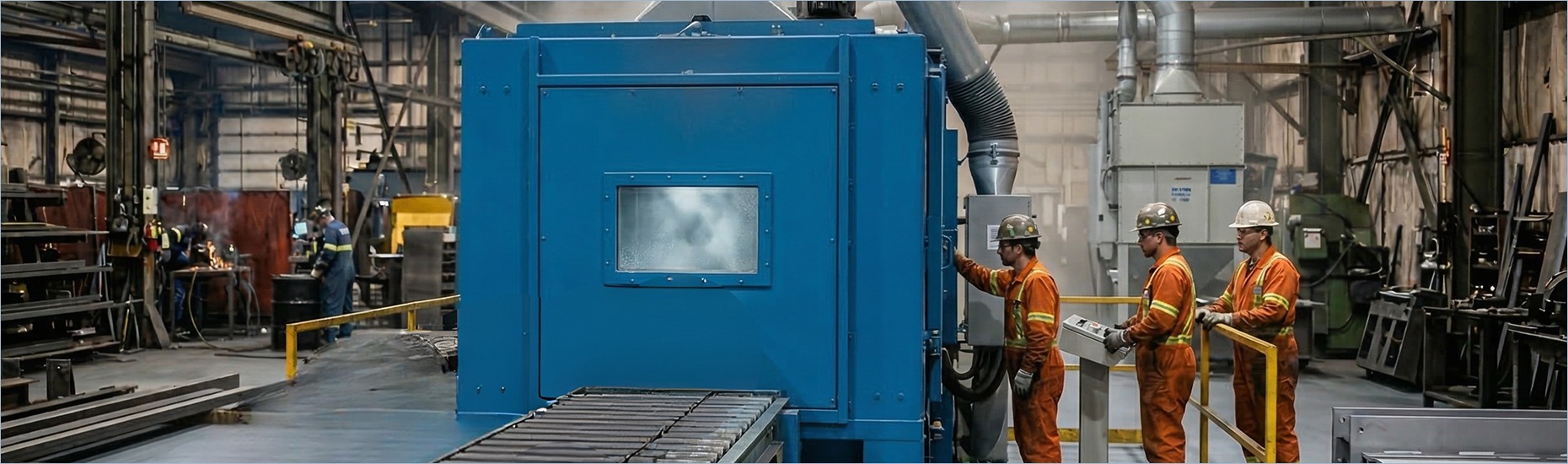
The global demand for pure nickel strips is surging, driven primarily by the rapid expansion of electric vehicle manufacturing and advanced battery technologies requiring high-conductivity components. The increasing global demand for electric vehicles and batteries is also driving the need for reliable high-purity strip supply. Battery pack producers that cannot afford inconsistent material in a safety-important connection have made sourcing High Purity Nickel Strips from an established provider a priority. Nickel strip pricing, purity certification and supply consistency increasingly figure as direct considerations in vendor selection for long-term production contracts, not just one-off orders.
What Are Pure Nickel Strips?
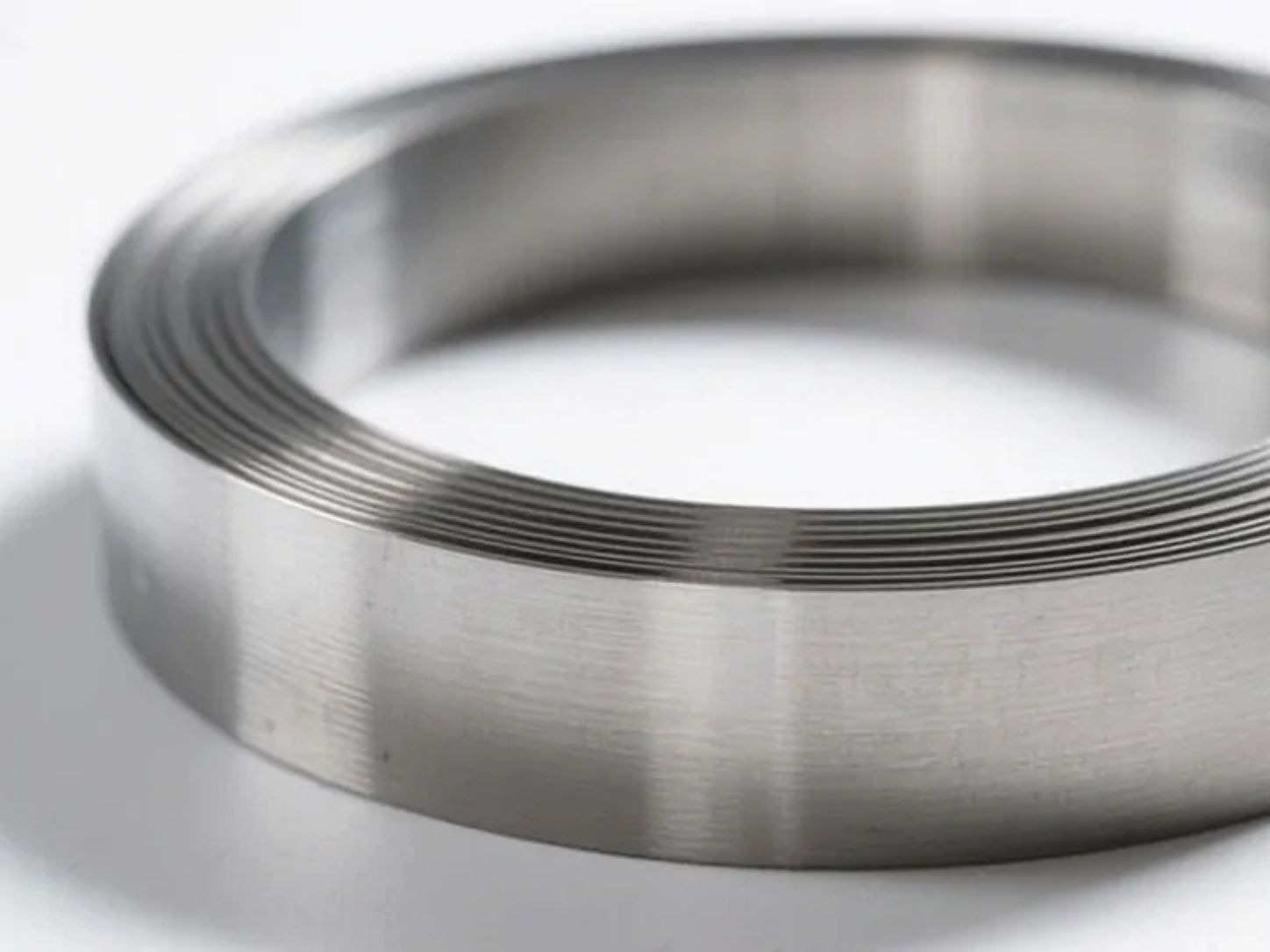
Pure nickel strip is cold rolled flat metal manufactured from high purity nickel and is most typically available in Nickel 200 and Nickel 201 grades. Nickel 200 has a maximum carbon content of 0.15% and is highly resistant to a wide variety of corrosive substances. For higher temperature uses, Nickel 201 restricts the carbon to only 0.02 percent, which avoids the graphite embrittlement that can weaken Nickel 200 when used above 315°C. Nickel 201 is generally preferred for high-temperature and welding applications, making it an excellent nickel strip for lithium-ion batteries, battery pack construction, and other precision electrical assemblies due to its lower carbon content.
In the fabrication of the strip hot-rolled cast, or continuous-cast nickel is then cold-rolled to precise final gauge and annealed to restore elasticity. Typical thicknesses for battery applications are 0.05 to 0.5 mm, whereas the broader structural strips are several mm thick with overall widths ranging from a few mm to several hundred. Both grades are also controlled to ASTM B162 specifications for chemical and mechanical properties, so buyers know they are getting consistent, reliable quality regardless of supplier.
Key Properties of Pure Nickel Strips
High Electrical Conductivity
As a conductive nickel strip, pure nickel carries electrical current at roughly 25% of copper’s conductivity, a figure that sounds modest until paired with nickel’s resistance to oxidation at the contact surface, which keeps conductivity stable over years of service rather than degrading as oxide layers build up.
Excellent Corrosion Resistance
Nickel forms a passive oxide which resists attack by moisture, mild acids and alkaline conditions. This is of immediate concern in battery packs where exposure to electrolyte and humidity cycling would corrode a less conductive material within a few years of service.
Superior Thermal Conductivity
Heat generated at a battery tab connection has to go somewhere. Nickel’s thermal conductivity carries that heat away from the weld point fast enough to avoid localised hot spots during high-current charge and discharge cycles.
Outstanding Weldability
Nickel strip welds cleanly to both nickel and steel substrates using resistance spot welding, laser welding, or ultrasonic welding, which explains why it dominates battery tab and busbar connections where copper would require more complex joining processes.
High Ductility and Formability
Cold-rolled nickel strip bends and forms into tab shapes and connector geometries without cracking, a property that keeps scrap rates low during high-volume battery pack assembly.
Long Service Life
Combined corrosion resistance and stable conductivity give nickel strip connections a service life that matches or exceeds the battery cells they connect, reducing the risk of the connection becoming the weak point in the pack.
Why Global Demand for Pure Nickel Strips Is Increasing
Electric vehicle production has scaled from a niche segment to a mainstream manufacturing category in under a decade, and every EV battery pack depends on nickel strip connections between cells. Lithium-ion battery manufacturing for consumer electronics, power tools, and grid storage adds further volume on top of automotive demand. Renewable energy storage systems, particularly grid-scale battery installations paired with solar and wind generation, require the same tab and busbar connections at a much larger physical scale. Consumer electronics manufacturing continues to specify nickel strip for smaller cell formats in phones, laptops, and wearables. Industrial automation equipment uses nickel strip in battery backup systems and control circuitry. Aerospace expansion adds demand for nickel’s corrosion resistance in avionics and satellite battery systems. Medical equipment manufacturing, particularly implantable and portable devices, depends on nickel strip’s biocompatibility alongside its electrical properties. Global electrification initiatives across grid infrastructure and transportation compound all of the above into sustained multi-year demand growth rather than a short-term spike.
Major Applications of Pure Nickel Strips
Pure nickel strips play a crucial role across modern technologies thanks to their excellent electrical conductivity and corrosion resistance.
- Battery Pack Connections: They easily link individual cells together into reliable modules, creating low-resistance pathways for consistent power output across battery systems.
- Spot Welding: Nickel strips weld cleanly and rapidly, letting manufacturers create strong, reliable electrical joints at high speeds without damaging delicate cells.
- Lithium-Ion Battery Manufacturing: Used at both cell-tab and module levels, these strips ensure steady energy flow and long-term durability inside advanced lithium batteries.
- Electric Vehicles: EV battery packs rely heavily on nickel strips to connect thousands of cells, safely handling high currents while enduring harsh driving conditions.
- Power Tools: Compact battery packs in cordless tools use these strips to deliver sudden spikes of power while resisting constant vibrations during heavy use.
- Solar Energy Storage Systems: Large stationary batteries use nickel busbars to efficiently transfer collected solar power, keeping energy storage networks reliable over time.
- Electronics: Fine-gauge nickel strips provide compact, dependable connections inside everyday consumer gadgets, smart devices, and smaller battery-powered electronics.
- Aerospace Components: Aerospace design uses these light, corrosion-resistant strips where structural integrity and heat resistance are essential for flying in harsh environments.
- Medical Devices: Thanks to nickel’s biocompatibility and steady electrical conductivity, it is a top choice for sensitive wearable gear and implantable medical devices.
- Electrical Contacts: Industrial equipment uses pure nickel contacts to maintain a stable, rust-free conductive path, even in environments exposed to heat and chemicals.
Conclusion
Demand for pure nickel strips has been driven by battery-dependent industries like electric vehicles, grid storage and consumer electronics. Global electrification isn’t slowing down. Nickel 200 and Nickel 201 strip provide battery and electronics manufacturers with conductivity, corrosion resistance and weldability for a connection that lasts as long as the equipment it powers. A bad strip connection will cost more than the material itself. Choosing the right Pure Nickel Strip Supplier is just as important as selecting the correct grade, since certification, consistency, and delivery reliability directly affect production quality. Parag Metal supports battery, electronics, and industrial manufacturers with high-purity Nickel 200 and Nickel 201 strips.