Gray hair rarely appears overnight, yet its presence often feels sudden and personal. Texture shifts, uneven pigment loss, and stubborn strands create a new coloring challenge that standard techniques cannot address effectively. That is where the best hair colorist in Phoenix demonstrates refined expertise, transforming gray into dimension rather than concealment. Precision application, tone calibration, and hair health preservation become central to the process. Understanding these methods reveals why professional handling of gray hair delivers results that feel natural, polished, and long-lasting.
Understanding the Science Behind Gray Hair
Gray hair forms when melanin production declines within hair follicles, reducing pigment concentration. This shift changes not only color but also structure, often making strands coarser and more resistant to dye absorption. You may notice uneven color uptake, which requires strategic formulation rather than uniform application.
Professional colorists assess porosity levels, natural undertones, and oxidation behavior before selecting pigments. Techniques such as pre-softening and targeted saturation ensure even coverage. This approach minimizes patchiness while maintaining the integrity of each strand. Advanced formulations also compensate for resistant cuticles, improving longevity without excessive chemical exposure.
Customized Color Formulation for Natural Results
Gray coverage is not a one-size-fits-all process. A skilled approach involves blending tones that mimic natural hair variation rather than masking gray completely. This creates a softer, more dimensional appearance that grows out seamlessly.
Within top hair salons in Phoenix, AZ, colorists often combine warm and cool undertones to neutralize unwanted brassiness or dullness. Semi-permanent and permanent dyes may be layered strategically to achieve depth. This customization reduces harsh contrasts at the root line, allowing a more gradual transition as hair grows.
The formulation also considers lifestyle factors such as maintenance frequency and sun exposure. Tailored pigment selection ensures that your hair retains vibrancy even under environmental stress.
Strategic Application Techniques for Gray Blending
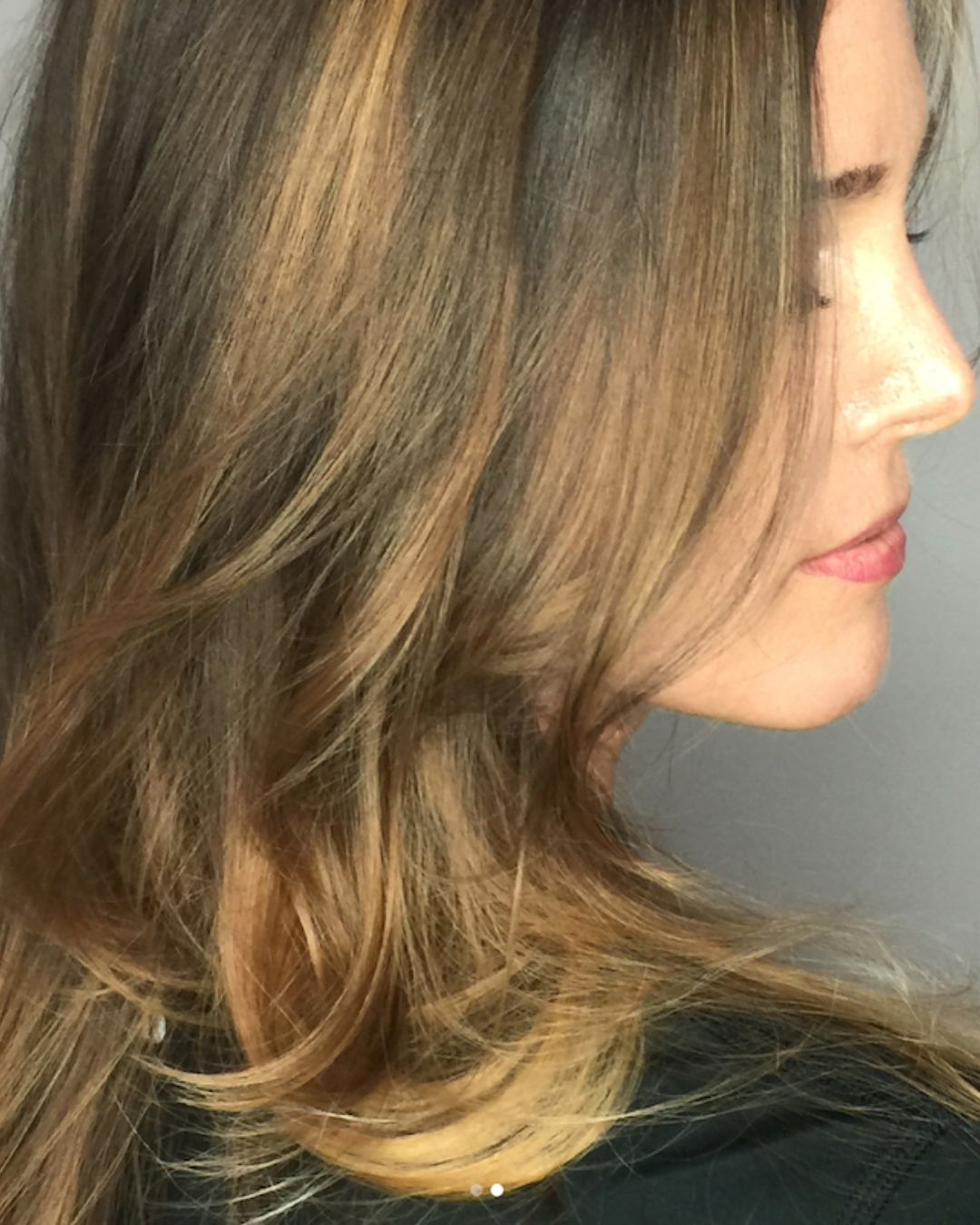
Application technique plays a critical role in how gray hair appears after coloring. Instead of full saturation, professionals often use methods like lowlights, babylights, or root smudging to diffuse gray strands naturally.
The best colorist applies color in sections, focusing on areas where gray concentration is highest. This targeted approach avoids over-processing healthier strands while ensuring adequate coverage where needed. Techniques such as feathering and balayage introduce subtle transitions, preventing a flat or artificial finish.
You benefit from a multidimensional look that reflects light differently across sections, giving the illusion of fuller, healthier hair. This method also extends the time between touch-ups, reducing long-term maintenance.
Maintaining Hair Health During the Coloring Process
Coloring gray hair involves chemical processes that can weaken the hair shaft if not managed properly. Best hair colorist in Phoenix prioritize hair health by integrating protective treatments during and after coloring sessions.
Bond-building agents, protein infusions, and moisture-balancing conditioners are commonly used to reinforce hair structure. This prevents breakage and maintains elasticity, especially in coarse or brittle gray strands. Heat control and precise timing further reduce damage risks.
In premium environments like top hair salons in Phoenix, AZ, treatments are often customized based on your hair’s condition. This ensures that color application enhances appearance without compromising long-term strength or shine.
Tonal Correction and Long-Term Color Maintenance
Gray hair tends to develop unwanted tones over time, particularly yellow or dull hues due to environmental exposure. Regular tonal correction becomes essential to maintain a fresh, polished look.
Professionals recommend gloss treatments and toners to refine color between full sessions. These treatments adjust undertones without reprocessing the entire hair shaft. You may also receive guidance on sulfate-free shampoos and UV-protective products to preserve color integrity.
The best hair colorist in Phoenix often designs a maintenance schedule that aligns with your hair growth cycle. This ensures consistent results while minimizing excessive chemical exposure. Over time, this approach supports both aesthetic consistency and hair health.
Adapting Techniques to Individual Hair Goals
Every individual approaches gray hair differently. Some prefer full coverage, while others embrace partial blending for a more natural transition. A skilled colorist adapts techniques to match these preferences while maintaining visual harmony.
Consultation becomes a critical step where factors like skin tone, eye color, and personal style influence the final outcome. Subtle adjustments in shade intensity and placement create a personalized result that enhances your overall appearance.
The best hair colorist in Phoenix, AZ, balances technical precision with aesthetic sensitivity, ensuring that your hair color aligns with your identity rather than masking it. This adaptability distinguishes professional work from generic coloring methods.
Conclusion
Gray hair does not require concealment; it demands intelligent handling. Through customized formulations, strategic application, and ongoing maintenance, the transformation becomes both subtle and impactful. The best hair colorist in Phoenix approaches gray as an opportunity to add dimension, depth, and character rather than treating it as a flaw. Exploring these techniques offers insight into how professional expertise reshapes expectations, turning gray hair into a refined and confident expression of personal style.