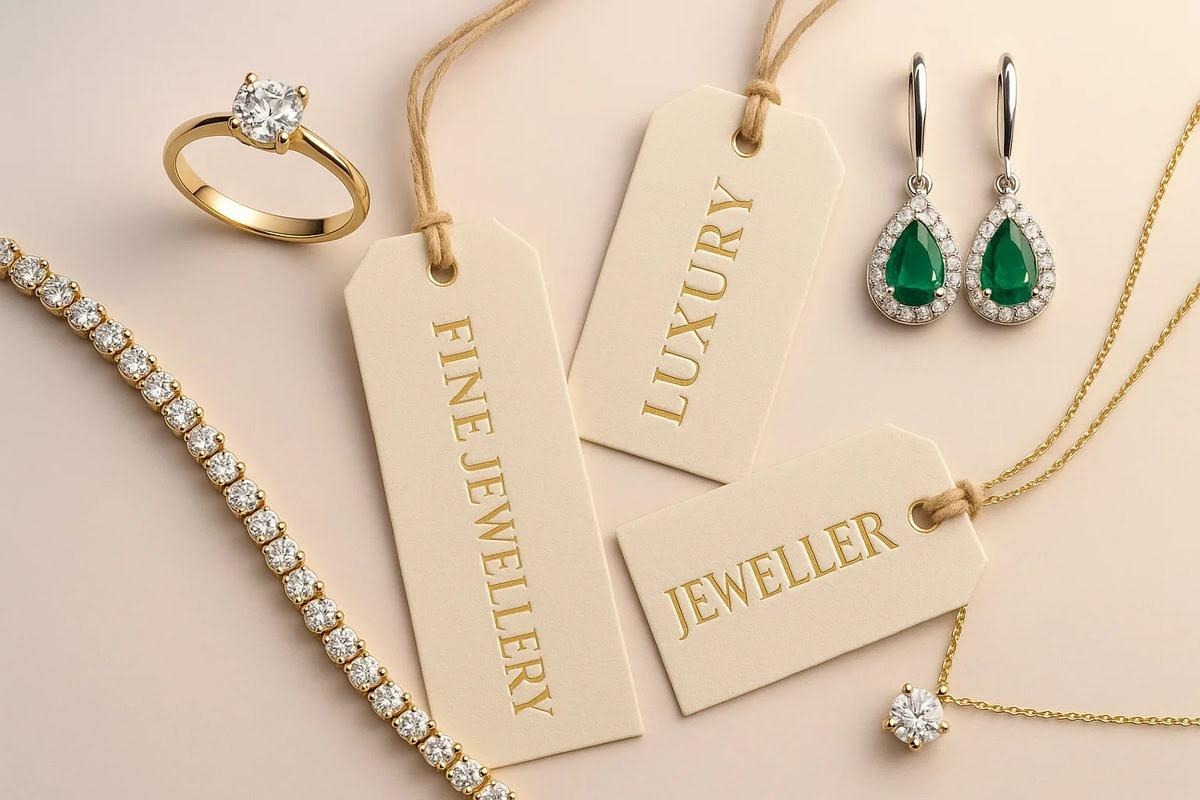
When people think about jewelry, they often focus on the item itself and forget about the small details around it. Yet tags often shape the first impression before someone even looks closely at a piece. Custom jewelry tags can help keep products organized while sharing useful information in a simple format. They can show price, size, material, and care details without making the display look crowded. A good tag does not need to be flashy or expensive to do its job well. It simply needs to match the product and feel easy to read. Small choices often make a bigger difference than expected.
Material Choices Matter
The material used for a jewelry tag changes how the product feels in a customer’s hand. Thick paper gives a soft and traditional look, while coated cards feel cleaner and more modern. Some businesses choose recycled stock because it matches the image they want to present. Others prefer stronger materials that last longer during shipping or storage. Many suppliers offer custom jewelry tags wholesale options that allow businesses to test different materials without changing their packaging style every few months. The goal is usually to find a balance between cost, appearance, and everyday use.
Keeping Designs Simple
A crowded tag can make even beautiful jewelry look confusing. Many successful designs stay simple and use only the information customers really need. A clean layout often feels more professional than one filled with extra details or decoration. Shops that sell in different markets often adjust colors and styles depending on local preferences and trends. This is one reason why Custom jewelry tags UK suppliers often provide several design choices that fit different customer groups and shopping habits across different regions and store types.
Improving Store Layout
Display matters because people often notice products before reading about them. A tag that hangs awkwardly or blocks the jewelry can create a messy appearance, even when the products themselves look attractive. Size, shape, pe, and placement all affect how customers view a collection while browsing. Some stores use matching colors while others prefer neutral shades that stay in the background. Businesses looking for better shelf organization often invest time in Custom jewelry and display options because they help products appear more consistent and easier to compare.
Starting With Small Orders
Not every business wants to order thousands of tags during the first production run. Smaller brands and new sellers usually prefer flexibility while they learn what works best for their customers. Ordering smaller quantities also makes it easier to test different shapes or materials without wasting stock. This approach can save money and reduce storage problems over time. Because of this, many suppliers now provide Custom jewelry tags with no minimum services that allow businesses to experiment before committing to larger production numbers or long-term designs.
Adding Brand Identity
A tag often acts like a quiet introduction between a business and a customer. Even when people forget packaging details, they may remember a logo or design they noticed during a purchase. A simple mark can make products easier to recognize when customers return later. The key is to keep branding balanced so the jewelry remains the main focus instead of the packaging. Businesses that use Custom jewelry tags with a logo often choose clean designs because they want the branding to support the product rather than compete with it.
Creating Personal Touches
Many buyers enjoy products that feel made especially for them. Small details can make an item feel more thoughtful without increasing production costs too much. Names, messages, or special event details can turn ordinary packaging into something more memorable for the customer. This idea works particularly well for gifts, weddings,s and seasonal collections where emotions often influence buying decisions. As a result, many sellers have started offering customised jewellery tags for customers who want packaging that feels more personal and connected to the occasion.
Supporting Gift Purchases
Gift shopping usually feels different from regular shopping because buyers often care about presentation as much as the product itself. A well-made tag can add meaning without requiring expensive packaging upgrades. Some customers like to include names, while others prefer short messages that match birthdays, anniversaries, or celebrations. Small additions often become part of the memory attached to the gift itself. This growing interest explains why many shops now include personalised jewellery tags as part of their standard ordering process throughout the year.
Choosing Better Sizes
Tag size often receives less attention than color or material, even though it affects readability and presentation. A custom logo tags that feels too large can overpower delicate jewelry, while a tiny tag may be difficult for customers to read without picking it up first. Finding the middle ground usually creates the best experience for both staff and buyers. Different collections may require different dimensions depending on style and packaging needs. Many businesses use Small jewelry tags for lighter products because they keep the attention on the item itself rather than the packaging.
Conclusion
Good packaging does not always depend on expensive materials or complicated designs. Often, even the smallest parts create the strongest impression because they stay with customers after the purchase is complete. Custom jewelry tags help organize products, improve presentation, and share useful details without making the buying experience feel complicated. They can support branding, simplify management,t and make gifts feel more personal at the same time. Every business works best when the solution is the one that matches daily needs rather than following trends. Simple choices often prove to be the most useful over time.