There’s a point in an athlete’s journey that feels strangely lonely. You’re not a beginner anymore, but you’re not where you want to be either. You know your sport well enough to feel the margins. You feel how small the differences are between winning and almost winning. And you feel, deep down, that just “working harder” isn’t the answer anymore.
That moment is where many athletes first encounter the deeper value of sports performance training in Minneapolis—not as a fitness option, but as a way to take ownership of their body instead of constantly fighting it.
This kind of training doesn’t promise miracles. It offers something more honest: alignment.
Why Competitive Sports Expose More Than Skill
Competition has a way of revealing things practice hides.
You can execute perfectly in controlled environments and still fall apart when chaos shows up. Fatigue, pressure, contact, unpredictability—these don’t test how strong you are. They test how organized your body is under stress.
That’s where many athletes feel betrayed by their own bodies. Legs feel heavy at the wrong time. Balance disappears when it matters most. Movements that once felt natural start requiring conscious effort.
Sports performance training exists because competition doesn’t reward raw capacity. It rewards usable capacity. What you can access, control, and repeat when conditions are far from ideal.
What This Type of Training Is Really About
Sports performance training is about teaching your body how to behave when things get uncomfortable…
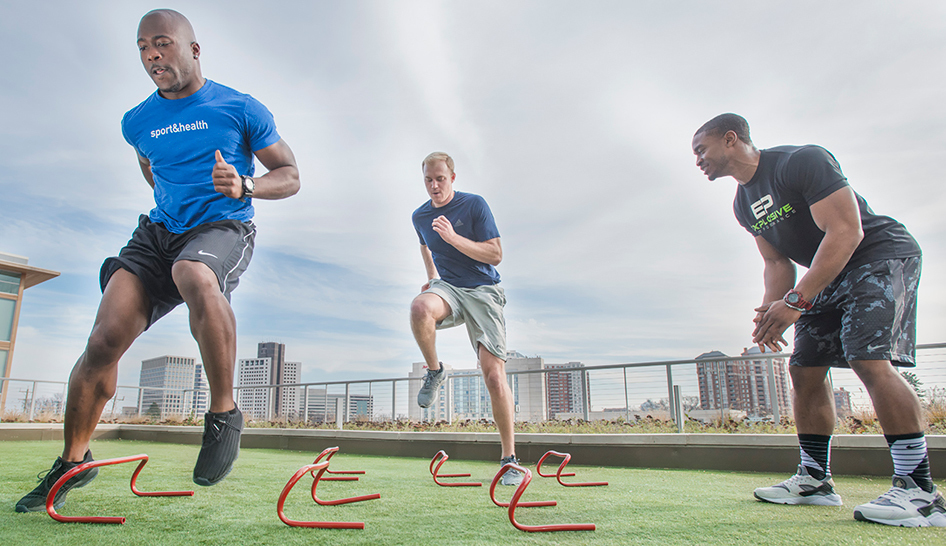
It focuses on how force moves through you. How your joints communicate. How efficiently you transition from one action to the next. Strength matters—but only if it arrives on time. Speed matters—but only if you can decelerate without breaking rhythm.
This training pays attention to the moments between movements. The small stabilizations. The subtle adjustments. The parts of performance that don’t show up on highlight reels but decide outcomes anyway.
It’s less about looking athletic—and more about feeling capable.
How Athletes Begin to Feel the Difference
The change isn’t dramatic at first. It’s quieter than that.
You notice you recover faster between efforts. You feel a sense of balance when you react rather than plan a response. You no longer expect the pain to be uncomfortable and learn to trust your body to deal with it.
Mistakes don’t spiral the same way. Fatigue doesn’t feel as threatening. Confidence becomes less emotional and more physical—it lives in your posture, your breathing, your timing.
Sports performance training doesn’t hype you up. It grounds you. And grounded athletes compete differently.
When Athletes Know It’s Time for This Approach
Athletes rarely start this training because they’re failing. They start because they’re paying attention.
They notice patterns: recurring soreness, stalled progress, mental fatigue that doesn’t match effort. They sense that their body is adapting in ways they didn’t intend.
For developing athletes, this approach builds awareness early—before bad habits calcify. For experienced competitors, it creates space to undo years of compensation and stress.
There’s no “right age.” There’s only the realization that performance deserves intention.
The Relationship Between Performance and Longevity
Most athletes don’t fear losing ability. They fear losing time.
Time sidelined. Time rebuilding. Time wondering if their body will ever feel normal again.
Sports performance training doesn’t chase injury avoidance—it chases balance. It strengthens the areas that quietly carry the load. It will teach your body to share the stress rather than dumping it all on the same major joints.
This leads to a phenomenon athletes never discuss enough: peace. Not a lack of risk, but a lack of worry on recovery day. Imagine believing your body is strong, not frail.
That belief changes how you move—and how long you can keep moving.
Why Environment Shapes Outcomes More Than Equipment
Training isn’t just about what you do. It’s about where and how you do it.
Athletes grow fastest in spaces that respect individuality. Where progressions aren’t rushed. Where feedback is thoughtful, not reactive.
Whether someone is pursuing athletic development training in Eagan, MN, or anywhere else, the true value lies in being trained as an athlete, not as a checklist. Bodies adapt best when they’re listened to.
The right environment doesn’t demand perfection. It builds trust—and trust accelerates growth.
The Mental Shift That Follows Physical Preparation
When your body is prepared, your mind stops negotiating.
You don’t waste energy wondering if you’ll hold up. You don’t hesitate mid-action. You don’t overthink sensations that used to scare you.
This clarity isn’t motivational. It’s structural. It comes from knowing your training addressed reality—not just theory.
Sports performance training gives athletes permission to compete freely, without constantly monitoring their own limitations.
That freedom is rare. And powerful.
The Last Word: Why This Training Becomes Essential, Not Optional
Eventually, competitive athletes stop asking for shortcuts. They ask for sustainability.
They want to train in a way that respects their sport, their body… and their future. They want effort to translate. They want progress that feels earned and repeatable.
That’s why sports performance training in Minneapolis becomes essential—not because it’s intense, but because it’s honest. It meets competition where it actually lives.