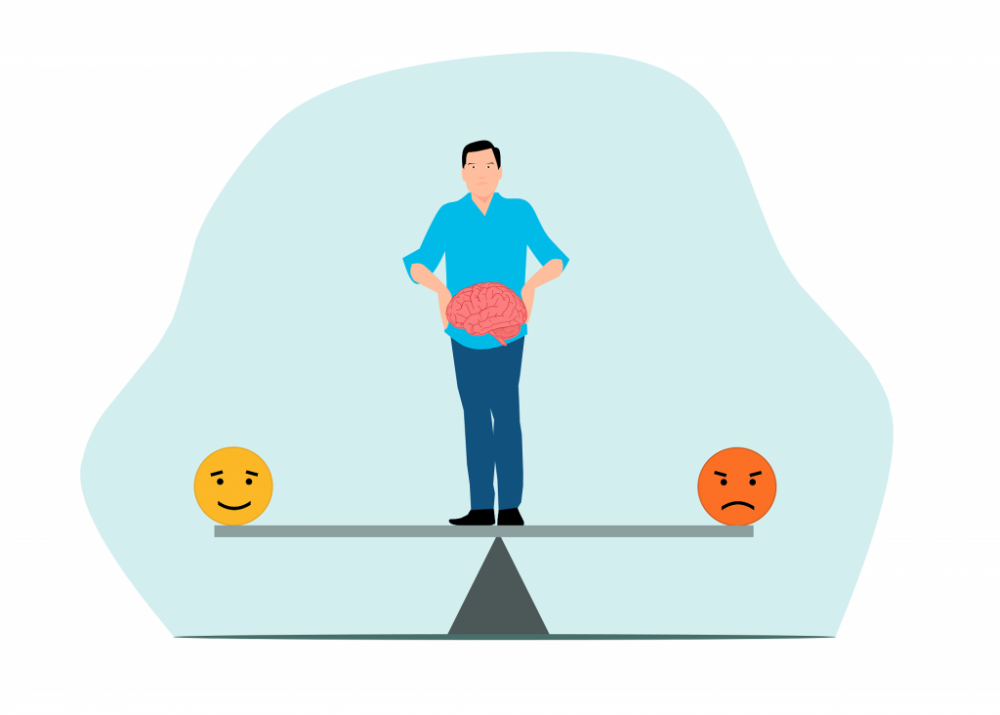
You might not see when you’re running low.
It can start with something small. A busy morning. Too many messages. A deadline you forgot about until now. Then, I need to handle dinner, deal with a family issue, and finish one more urgent work task.
So you keep going.
By the time the day quiets down, you feel exhausted. You sit there, worn out, even though you haven’t done anything dramatic.
That’s the strange thing about mental exhaustion. It can build in the background for a long time before you realize how much it’s taking out of you.
Life doesn’t leave much empty space these days, either. Five spare minutes can disappear into email. A quiet evening turns into unfinished work. You get into bed and, instead of winding down, start scrolling through other people’s lives.
Your brain rarely gets a proper off switch.
Taking care of your mental health doesn’t mean changing your whole life at once. That’s not realistic for most. Small changes are easier to make.
Notice When Things Feel Different
Mental exhaustion shows up differently for each person.
You might be snapping at others more than normal.A harmless question suddenly annoys you. Or you’re studying, but you’ve read the same paragraph three times. Still, you can’t explain what it said..
You might get stuck in your thoughts, thinking about an awkward chat from earlier this week. Simple choices can feel strangely difficult. Even deciding what to have for dinner becomes another tiny problem you don’t have the energy to solve.
Then there’s sleep.
It can be hard to sleep when your mind races. Even after a good night, you may wake up feeling tired.
These things don’t automatically mean you have a mental health problem. Everyone goes through stressful times.A tough week or month doesn’t always signal a deeper issue.
But patterns are worth noticing.
If your mood, sleep, focus, or daily habits change, take notice. Instead of asking, “Why can’t I handle this?” try a better question.
What is really draining my energy?
It could be work. Exams. Financial pressure. A relationship that has become difficult. Looking after a parent. Or several problems landing at the same time, which is often when things get messy.
And you don’t have to untangle everything today.
Let Yourself Rest
Rest has somehow picked up a bad reputation.
People sometimes treat it like something you earn after you’ve finished everything else. The problem is that there’s always something else.
Rest isn’t laziness. Your brain needs breaks. It shouldn’t always be answering questions, solving problems, or making decisions. It also needs time away from new information..
That doesn’t mean you need to spend an entire Saturday lying in bed.
Take a short walk. Sit outside with a cup of coffee. Stretch for a few minutes between tasks. Put on an album you actually enjoy. Read a few pages of a book. If you have a dog, take it around the block and let the walk take as long as it takes.
Nothing about this needs to be impressive.
The goal is to create distance from things that constantly demand your attention..
And try not to turn rest into another project. You don’t have to have a perfect morning routine, a fancy wellness plan, or track twelve habits on an app.
Sometimes, you need to pause.
Set Time Limits
When you’re overwhelmed, almost everything starts looking urgent.
An email arrives late at night. You check it because you’re already holding your phone. You get a message in the group chat, so you reply. Then you recall the task you didn’t finish earlier. You choose to take that on, too.
Suddenly, it’s 11 p.m.
Your evening disappeared without you really choosing to give it away.
A few boundaries can help. They won’t lighten your workload. However, they can stop work from taking over your day. You might try:
- Switching off non-essential work notifications after a set time.
- Keeping your phone away during meals.
- Choosing a reasonable point at which you’ll stop working.
Leaving work emails alone when you’re officially off.
Keeping some part of your weekend free from obligations.
Real life doesn’t always go as planned.
A parent with young kids can’t just log off at 6 p.m. A shift worker may have little control over their hours.Some jobs have real emergencies. Some tasks must be done today. That’s fine.
A boundary doesn’t need to be perfect to be useful.Not answering non-urgent messages until morning can help you relax.. Don’t Forget Your Body
Your mental health isn’t floating around separately from the rest of you.
When life gets hectic, basic habits often break down first. You skip lunch because you’re too busy. Skip exercise because you feel tired. You stay up late to get things done.You know tomorrow morning will be rough.
Then morning comes, and you feel awful.
You don’t need to suddenly become obsessed with fitness. A walk after dinner counts. Stretching while you wait or taking the stairs instead of the lift can help.
The goal isn’t to make yourself a fitness machine.It’s simply to give your body a bit of movement rather than spending the entire day sitting in one place.
Food matters too.
Coffee and a few crackers can help you survive a busy afternoon. But your body needs more to function well. Regular meals are easy to forget when you’re busy. That’s why they need your attention.
And then there’s sleep.
Sleep is often the first sacrifice people make when their schedule gets crowded. Staying up for another couple of hours can feel productive at the time. The next day, though, you’re paying for it. Concentration gets harder. Your patience gets shorter. A small problem suddenly feels like a major one.
Whenever possible, protect your sleep.
You don’t need a flawless sleep routine. Just try not to treat sleep as the easiest thing to throw away whenever life gets busy.
Stay Connected, Even When You Feel Drained
When you’re mentally exhausted, being alone can sound like the best possible idea.
Sometimes it is.
You might genuinely need a quiet evening without anyone asking you for anything. That’s different from slowly cutting yourself off from everyone, though.
Keep some connection with people you trust.
You don’t have to sit down and explain every detail of your life. You can send a message that says, “I’ve had a rough week.”
That’s enough.
The person you talk to may not have a solution. They don’t have to. Sometimes you aren’t looking for advice anyway.You want someone to listen. You don’t want them to turn your issue into a list of things to do..
Being heard can make a difficult situation feel a little less heavy.
There’s another benefit, too. Thoughts can become strangely tangled when they stay inside your head. Saying them out loud can help you see what’s really bothering you. This is better than focusing on the five other things your mind has added..
Give Your Brain a Break From Your Phone
You already have plenty to process.
You probably don’t need dozens of notifications waiting for you the second you wake up.
Phones are useful. They help us work, communicate, find information, make plans, and stay entertained. But since they’re always nearby, finding true downtime can be harder.
Try creating a few moments when your phone simply isn’t involved.
Switch off notifications that don’t matter. Leave your phone in another room while you eat. When there’s a five-minute gap in your day, resist the automatic urge to fill it with scrolling.
If checking social media before bed makes your mind race, set your phone down earlier.
You don’t need to vanish from the internet or hide your phone away for a month. That’s not the goal.
You’re simply giving your attention somewhere else to go.
At first, a quiet room can feel oddly uncomfortable. Your hand might even reach for your phone without you thinking about it.
Give it some time.
Silence can be surprisingly refreshing.
Know When a Break Won’t Do
Rest, sleep, and exercise help with stress. So does spending time with loved ones.. But they’re not solutions for every situation.
Feeling anxious, sad, or stressed for a while can affect your sleep. It may also impact your relationships, studies, work, and daily life.. So, consider talking to a mental health professional.
You don’t have to wait for things to break down.
If you’re wondering, “Maybe I need help, but I’m not sure,” start by checking out the signs you might need a counselor.
Speaking with a professional isn’t a sign that you’ve failed to cope. Life can sometimes feel overwhelming. Talking to someone outside the situation can help clarify your problems.
A counselor or mental health professional provides a safe space. You can share your thoughts freely.You can also notice patterns and discover ways to deal with tough situations..
You don’t have to enter that first conversation with a flawless explanation of the problem.
Figuring that out can be part of the process.
Make Your Mental Health Part of Your Routine
Taking care of your mental health shouldn’t be just another item on your to-do list.
Start small.
Get enough sleep when you can. Eat proper meals. Step outside. Move around. Put your phone down sometimes. Spend time with people you trust. If your schedule is full, don’t hesitate to say no to things that can wait.
Focus on yourself above everything else.
Stress is something we all deal with. Deadlines, bills, family problems, tough conversations, and sudden changes will always occur.Some days just won’t go right.
You aren’t aiming for a completely stress-free life. That doesn’t exist.
What matters is noticing when the stress has started taking more from you than you have to give.
Maybe you need to cancel one plan and stay home.Maybe you need to change your routine. Perhaps you’ve been acting fine when you’re really not.
Or maybe tonight doesn’t need to be productive at all.
Close the laptop.Silence your phone. Find a quiet spot. Sit for a few minutes. Let your mind catch up.
You’re not wasting time.
You’re allowing yourself some space to relax.