The thought of having a surgical operation can be frightening to many women, particularly when it comes to matters of reproductive health. Nonetheless, due to the progress in modern gynaecology, such surgeries as hysteroscopy surgery in Delhi are currently unbelievably safe, minimally invasive, and most effective in the diagnosis and treatment of a variety of uterine diseases. Even though hysteroscopy is increasingly becoming popular, there are a number of myths, uncertainty, and incomplete information about hysteroscopy. At Femme Nest, we are certain that knowledge is power, and therefore, we will find out the necessary facts about the hysteroscopy surgery and why it is a reliable option to enhance fertility and uterine health.
What Is Hysteroscopy Surgery?
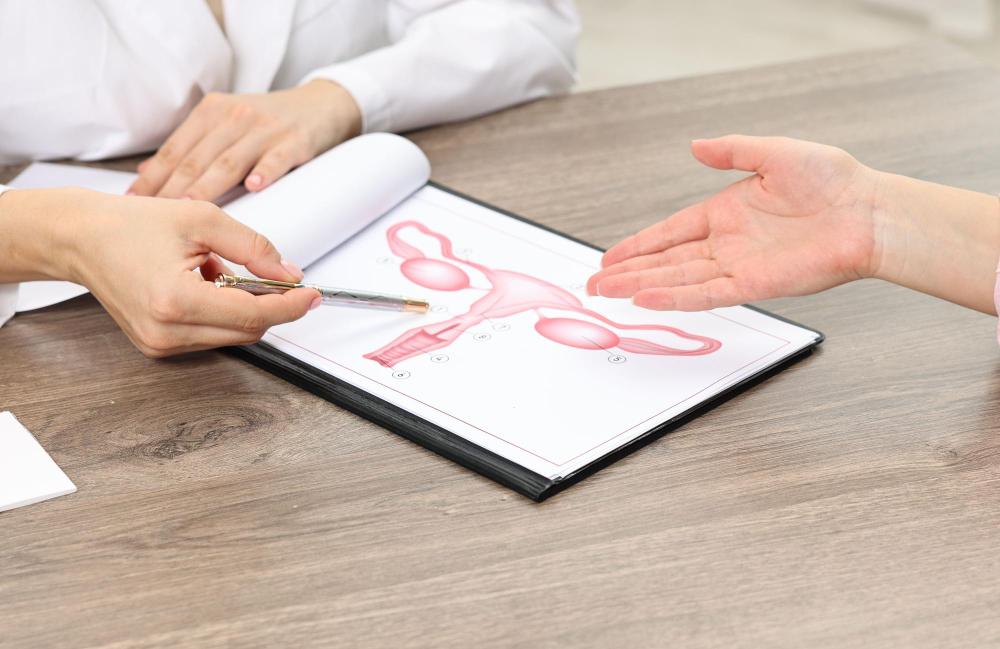
A hysteroscopy is a minimally invasive procedure. It involves inserting a slender telescope-shaped tool known as a hysteroscope through the vagina and into the uterus. It enables the physician to physically see inside the uterine cavity with no external incisions. This has rendered it among the safest and most effective in the diagnosis and treatment of abnormalities of the uterus.
There are two main types:
- Diagnostic Hysteroscopy: It is done to examine the presence of such problems as polyps, fibroids, adhesions, abnormal bleeding, or structural problems.
- Operative Hysteroscopy: This is done to correct the abnormalities that were detected in the diagnosis, and in most cases, the same procedure is done.
Why Is Hysteroscopy Recommended?
Doctors commonly recommend hysteroscopy surgery in Delhi for conditions such as:
- Recurrent miscarriages
- Unexplained infertility
- Uterine fibroids or polyps
- Heavy or irregular bleeding
- Uterine septum
- Scar tissue (Asherman’s syndrome)
- Retained products of conception
The ability to diagnose and treat problems in one sitting makes hysteroscopy efficient, convenient, and cost-effective.
Fact 1: Hysteroscopy Is Minimally Invasive and Safe
Hysteroscopy is not associated with abdominal cuts, as in the case of traditional surgeries. The majority are day-care surgeries done as most of the procedures and the patients would get home the same day. The recovery process is normally fast, and the level of discomfort is low. There are serious complications, but they are very rare when done by trained specialists.
Fact 2: It Improves Fertility Outcomes
Hysteroscopy is usually a game-changer for women with infertility problems. The removal of polyps, fibroids, adhesions, or septum increases the probability of both natural conception and success in IVF. The Femme Nest has had a high number of successful couples who have undergone hysteroscopic correction of abnormalities in the uterus, which have resulted in better pregnancy rates.
Suggest to Read :-IVF Journey Unfolded: A Personalized, Human Guide to the Fertility Process
Fact 3: No Stitches, No Visible Scars
Due to the fact that the hysteroscope is inserted through the canal of the vagina, no external cuts or scars are observed. This not only helps to reduce postoperative pain but also removes the worry about the wound healing.
Fact 4: Short Procedure, Faster Recovery
Diagnostic hysteroscopies range in duration from 5 to 10 minutes, whereas operative ones can be a little longer in duration, depending on the nature of the treatment required. Light activities can normally be resumed by the patient in 24 hours. This renders hysteroscopy the perfect option for women who have hectic schedules or who are undergoing fertility treatment.
Fact 5: Anaesthesia Options Are Flexible
Hysteroscopy may be performed under:
- Local anaesthesia
- General anaesthesia
- Sedation
What is most suitable will be recommended to you by your doctor, depending on the level of comfort and treatment required.
Fact 6: It Helps Detect Issues That Ultrasounds May Miss
Although ultrasounds and scans could be helpful, they do not necessarily reveal fine abnormalities in the inner part of the uterus. Hysteroscopy offers a high-quality and direct image, making it the diagnostic gold standard of uterine problems.
Preparing for Hysteroscopy Surgery
Before the procedure, your doctor may recommend:
- Avoiding intercourse for 1–2 days
- Taking prescribed medication
- Scheduling the procedure right after your menstrual period for the best visibility
At Femme Nest, our team ensures step-by-step guidance so you feel informed and comfortable.
What to Expect After the Procedure?
Mild cramping, light spotting, or mild discomfort is normal and will normally clear in a short time. You can restart normal life soon, with possible recommendations of not engaging in strenuous activities or intercourse for a few days.
Femme Nest: Your Trusted Centre for Hysteroscopy Surgery in Delhi
In Femme Nest, hysteroscopy is conducted with the best equipment, sterile practices, and skilled surgical procedures to achieve maximum safety and accuracy. You can find the explanation of infertility causes, abnormal bleeding treatment, or the preparation of an IVF cycle, and our experts offer personalised treatment that is aimed at achieving the best possible results.
We will be able to empower every woman to make confident choices regarding her reproductive health by finding the truth and dispelling the myths.