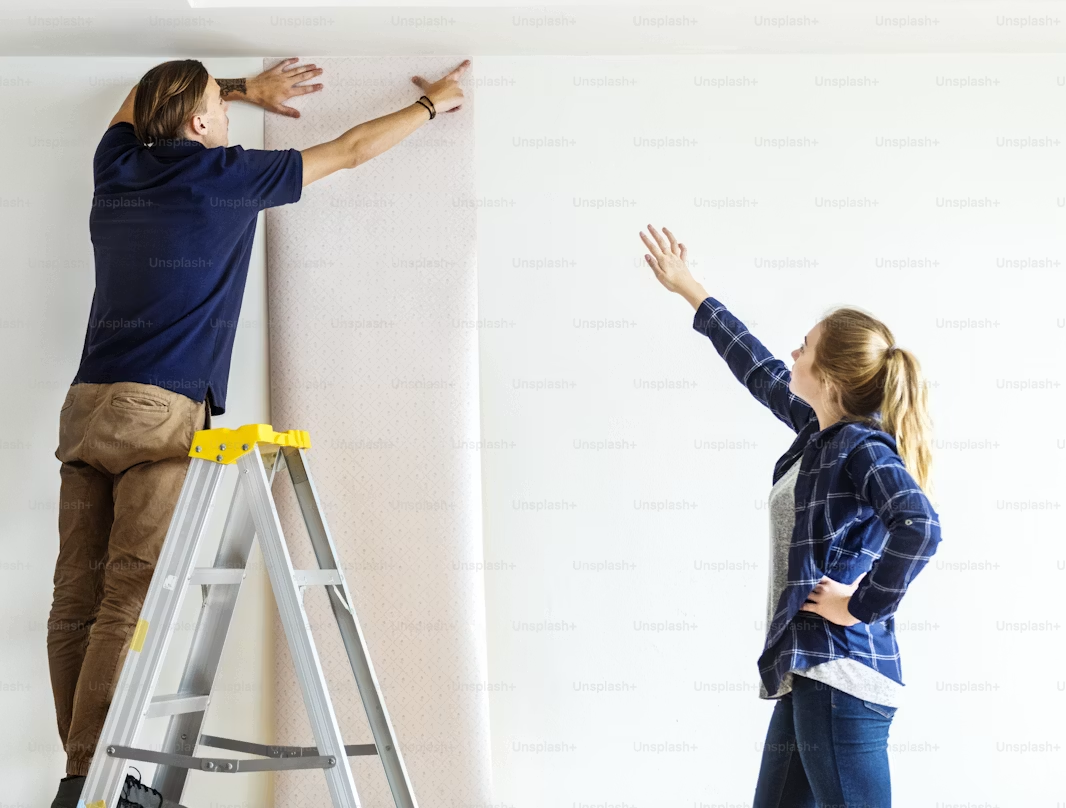
The thing is, you do not want to damage the wall. So you need to be careful. You have to remove the wallpaper. Then you can make your rooms new. The wallpaper has to go if you want a look for your rooms. The first thing is to take off the old wallpaper, which isn’t altogether difficult, provided you know how to do it without scraping the wall in an ugly manner. Many people worry about removing drywall and getting stuck with a mess. Learning how to remove wallpaper the way will save you time later on.
Further, you can help prevent the walls from getting damaged, but above all, guarantee that the walls get smoothed out for you to be able to apply some paint when you choose to do so, and give your room a new look.
Why Wallpaper Removal Requires Careful Preparation
It would perhaps be one of the biggest mistakes that one could make to embark upon the job of how to remove wallpaper from the wall without proper planning. The reason for this is that wallpapers are glued to the walls using strong glues that adhere better to the surface of the wall over time.
The first thing that you need to do when learning how to strip wallpaper is to determine what kind of wallpaper and what kind of wall you have. Some wallpapers come off easily. Other types of wallpaper need to be wet or steamed to remove them. There are also unusual elements that can help you strip wallpaper by melting its paste.
Prepare the Room Before Removing Wallpaper
First, you will need to approve that the room is set up according to the orders for the items to be safe and private. This can be realized by unstable the furniture in the room or by covering the gear with a soft sheet.
Go off the power to the room. Next, take off the switch plates and outlet plate cover, and tape all exits when learning how to remove wallpaper.
Determine the Type of Wallpaper
Different wallpaper types require different removal methods. Before beginning, test a small corner of the wallpaper to identify how it is attached.
Peelable wallpaper is often easy to remove in big pieces. Strippable wallpaper can leave behind a layer of paper, which must be soaked. Even wallpaper can only be removed after scoring and melting the glue with water when learning how to remove wallpaper.
Vinyl-covered wallpaper is waterproof, which means that the wallpaper must be scored to let water through the scored external layer into the paste layer below. The type of wallpaper is serious in causing the way to use for wallpaper removal.
Start with the Peel Test
The easiest (and safest) way to go about it is to gently pull on a loose corner using a putty knife or your fingers. Peel down the wallpaper slowly at a low angle, not pulling outwards “aggressively”.
If large pieces easily come off, peel by hand. This technique will minimize wall damage and also lessen clean-up time. If the wallpaper does not adhere or if it becomes fragmented, however, then more moisture or steaming should be applied.
This primary peel test is one of the first steps to understand how to remove wallpaper with little effort.
Use Warm Water and Soap Solution
Some wallpaper types use enough paste that can be easily melted with a warm water answer. To make, balance warm water with some dish soap and store the mix in a spray bottle or a bucket.
Put on the solution lightly, become worried about the wallpaper, and let it get a little captivated will take just a couple of minutes. Also, do not over-wet drywall, as too much liquid will cause damage to the basic wall.
This way of carrying on is quite suitable for those who want to take wallpaper down from time to time; it is very cheap and user-friendly.
Score the Wallpaper for Better Penetration
In case water doesn’t soak the wallpaper down to the adhesive, then a scoring tool can be used to make small holes in the paper surface. These little holes make it possible for moisture to get to the glue layer beneath.
With the scoring tool, lightly spin it in small circles over the top of the wallpaper. Do not push down too hard, or you could etch scratches into your drywall under the wallpaper. After that, you can repegetly sting it in with a hot water strainer and let it sit for two or three minutes. With 10 hours of glue on hand, wallpaper will be easier and less challenging to remove.
Many professionals recommend this technique when teaching homeowners how to remove wallpaper efficiently from older walls.
Try a Wallpaper Steamer for Stubborn Areas
Certain wallpaper adhesives get very difficult to remove after a certain period, particularly when they are exposed to the humidity of kitchen or bathroom situations. Then, a wallpaper steamer can come in handy.
The thing about a steamer is that it makes hot steam. This hot steam can loosen the glue that’s behind the wallpaper. To fix the wallpaper, you should do this. Press the steam plate against the wall for a second. Then the wallpaper will relax. Now you can fix the wallpaper that has come loose because of the steamer. The steamer is what makes this possible.
Rather than steaming a big area, go section by section. This way, you will keep the glue soft while finishing your work, and the wallpaper will not stick again when it starts to cool.
You should handle the steamers with care because drying the wallboard too much with heat and moisture can be harmful, even though steamers are very useful devices.
Remove Wallpaper Glue Scum
When you take down the wallpaper, the wallpaper glue usually stays on the walls. You will still see the wallpaper glue on the walls after the wallpaper is gone. The wallpaper glue is always left behind, stuck to the walls. You will have problems touching up or fitting new wallpaper if your inattention this step.
Then, solve the walls with clean water to get rid of the soap film. The walls should be completely dry before you start repairing or painting.
Most folks don’t realize how removing the glue is really an indispensable part of the process of how to remove wallpaper and get a beautiful result.
Repair Any Minor Wall Damage
You can do the wallpaper removal very carefully and still have a few imperfections on the wall surface. Actually, it is quite normal for some very small dents, scratches, or even bits of torn drywall paper to be visible after you have taken off the wallpaper.
The best method is to use light spackle or joint compound for the damaged areas. Put the many on with the putty blade and then smooth it out on the wall. Next, when the multiple becomes dry, sand the covered areas lightly, so they become smooth.
You can easily spot uneven areas before painting by checking the walls under a bright light.
Good wall repair not only gives you a neat and professional appearance, but also results in better paint adhesion.
Sand and Prime the Walls
After the repair work is done, lightly sand the full wall with a fine-grit level. This will help in removing the knocks and getting your wall prepped for the reader coat.
You should not underestimate the importance of applying primer post wallpaper removal. Wallpaper adhesive residue and patched surfaces will, more often than not, influence the texture and color of your paint. Primers act like a seal for the surface and give you a much nicer finish.
Not using primer can result in the paint flaking off, rough patches, or the repair sections being very evident. A little preparation with primer will pay off with great results for a long time.
Common Mistakes to Avoid During Wallpaper Removal
DIY wallpaper removal plans can be trying skills, often due to stoppable mistakes. If you know these common problems, you can save yourself some time and protect your walls.
One big mistake is scraping too viciously. Sharp tools will gouge drywall easily if you use too much force. The other problem is over-watering the walls, which can ruin drywall and cause further damage.
Another problem is not removing the adhesive residue. The invisible glue can later interfere with the adhesion of paint. Some proprietors also skip wall sills and are left with uneven finishes after painting.
Patience and a good system are the keys to successful wallpaper removal.
Best Methods for Different Wall Types
There are certain peculiarities in working with walls made of drywall or plaster. Drywall is very likely to capture water; so, it is wise not to use it for wallpaper removal. In contrast, walls made of plaster are rather strong, but there is still some risk of cracking during wallpaper removal.
The use of steamers is recommended since they allow working with both moisture and heat, unlike drywall.
The removal of wallpaper from textured walls requires some additional care due to the fact that paste is often hidden in such areas. In general, such walls will need more scraping and cleaning.
How Long Does Wallpaper Removal Take?
This swings on the size of the room and the kind of wallpaper used. For example, an extra dark wall takes only a few hours, but to top the whole room with coats of wallpaper takes nearly a whole visit.
Some of the factors that determine the amount of time spent include preparation time, soaking time, scraping time, cleaning, repair work, and drying period.
Roar done the job usually results in damage to the walls.
Eco-Friendly Wallpaper Removal Tips
Earth-conscious people pay attention to homeowners who want to make their homes better without hurting the Earth. Earth-conscious folks think it is very important to take care of the planet. So they keep an eye on homeowners who want to improve their homes in a good way, for the Earth.
If you are trying to remove wallpaper, there are green ways to do it.
If matters are the only option for removing the wallpaper, then use the ones that either have no door or a better door, or that are fast-degradable. To that, it is very important to open the spaces so that the air in the house remains clean in the work on the plan.
When to Hire a Professional
Though, indeed, many persons can effectively take down their own wallpaper, there are sure situations in which an skilled is the best option. For instance, if wallpaper is covering a large area, if there are many layers of wallpaper, or if the wall has been repainted several times over the wallpaper, then getting a professional to do the job is advisable.
Another consideration is that houses built a long time ago are more likely to have plaster walls, which require careful handling when learning how to remove wallpaper. Besides having steam machines and repair tools, professionals also have experience in dealing with very sticky adhesives.
Preparing the Room for New Paint or Wallpaper
This is a major factor. If you plan to have wallpaper, it’s necessary that the surface of the wall is perfect and fully dry. The condition of the wall has to be brilliant. Should the wall have some indentations or be covered with sticky residues, the wallpaper will be unattractive. This might cause a problem.
When you follow the steps properly, the walls will be really attractive. Your freshly wallpapered or painted walls will endure for a long time. That is the result you desire when learning how to remove wallpaper. Your area is for your walls to be lovely and your wallpaper or skin to be hard.
Final Thoughts
Remove wallpaper without damaging your walls. For that, you will have to be very easygoing and sensibly prepare everything in advance. The good news is, if you follow proper orders, things will turn out way easier for you. The key is to keep the focus on only one step at a time. The same way you put on wallpaper, you will have to do the complete opposite, so prepare yourself, it will take a lot of effort and time. If you decide to remove wallpaper, my advice is that you retain your composure and do it very gently.