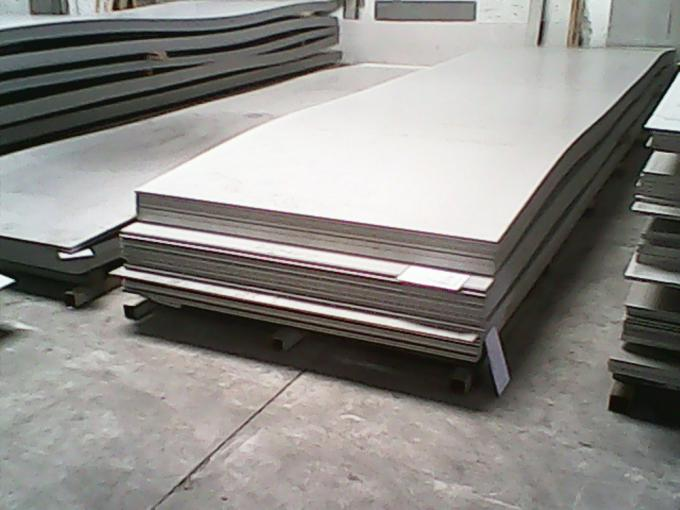
Heat exchangers operate constantly in chemical processing, petrochemicals, pharmaceuticals, and power generation. These industrial systems require materials capable of surviving highly corrosive fluids and extreme temperatures. Engineers routinely specify Hastelloy C22 plates for heat exchangers because the material delivers exceptional corrosion resistance alongside high mechanical strength. This rare combination guarantees long-term reliability in demanding operating environments. This blog covers the specific properties, functional benefits, industrial applications, and selection factors of these plates for heat exchanger manufacturing.
What Are Hastelloy C22 Plates?
Hastelloy C22 plates consist of a highly advanced nickel-chromium-molybdenum-tungsten alloy. Nickel completely prevents chloride stress corrosion cracking. Chromium successfully handles harsh oxidizing media. Molybdenum and tungsten provide strong resistance in wet reducing environments. Industrial manufacturers produce these plates in varying thicknesses and exact dimensions. Buyers can request different standard surface finishes based on specific equipment needs. Production always follows strict ASTM, ASME, and UNS N06022 specifications. Standard Alloy C22 Plates meet exact manufacturing tolerances for heavy-duty fabrication.
Key Properties of Hastelloy C22 Plates
The physical and chemical characteristics of Hastelloy C22 plates completely define their industrial performance. Engineers rely on several core attributes for demanding heavy system designs.
- Alloy C22 plates demonstrate outstanding corrosion resistance against severe industrial chemicals commonly found in heavy manufacturing and massive petrochemical facilities across the entire sector.
- Field users observe excellent resistance to pitting and crevice corrosion inside stagnant fluid applications where standard materials typically degrade very quickly under normal conditions.
- The metal alloy maintains high resistance to both oxidizing and reducing chemicals simultaneously during complex internal chemical processing plant operations on a daily schedule.
- The dense material strictly retains superior mechanical strength under heavy operational loads while processing highly pressurized liquids inside large commercial heat exchangers continuously.
- Plant fabricators consistently appreciate the excellent weldability and fabrication characteristics during the difficult equipment assembly process on the heavy metal production facility floor.
- The flat metallic plates exhibit high-temperature stability without losing their underlying structural integrity during sudden dangerous thermal spikes in the active operating plant.
- Industrial plant operators ultimately benefit from a remarkably long service life that completely justifies the initial capital investment in the raw material purchase.
Why Hastelloy C22 Plates Are Preferred for Heat Exchangers
Industrial heat exchangers constantly operate under extreme chemical stress. UNS N06022 plates deliver exceptional resistance to these aggressive process fluids on a daily basis. The thick metal maintains highly reliable performance at elevated temperatures. Plant managers observe excellent thermal stability even during sudden operational shifts. Using Nickel Alloy C22 Plates heavily reduces routine maintenance while simultaneously minimizing costly plant downtime. Equipment lifespan improves dramatically. The base material possesses a naturally high resistance to localized corrosion. Buyers consistently achieve cost-effective lifecycle performance despite the higher initial material investment. These practical factors justify the specification of this particular alloy.
Applications of Hastelloy C22 Plates in Heat Exchangers
Several industrial facilities utilize Hastelloy C22 plates across multiple distinct equipment types. The metal consistently performs well in extremely harsh chemical and thermal plant environments.
Shell and tube heat exchangers
Engineers build heavy shell and tube heat exchangers using this strong alloy. The internal components must withstand continuous chemical exposure. These large systems process massive volumes of hot liquids daily.
Plate heat exchangers
Compact plate heat exchangers require thin yet highly durable metal sheets. Alloy C22 plates handle the intense physical pressure transfers. The corrugated design maximizes total thermal efficiency during regular operations.
Condensers
Many industrial condensers frequently manage extremely hot acidic vapors. The material stops severe degradation as gases rapidly turn back into liquid form. This reliability keeps the cooling cycle functioning safely.
Evaporators
Evaporator units concentrate aggressive chemical solutions by boiling away excess water. The metal resists the severe scaling and pitting effects. Facilities rely on this durability for uninterrupted daily chemical production.
Chemical reactors
Complex chemical reactors involve highly volatile exothermic reactions. UNS N06022 plates completely absorb the resulting thermal shock without cracking. The material safely contains the mixing of extremely dangerous base compounds.
Acid processing equipment
Plants working with strong sulfuric or hydrochloric acids install specialized thermal units. The robust alloy prevents rapid tank wall thinning. This ensures continuous safe handling of highly destructive liquid materials.
Pharmaceutical processing systems
Pharmaceutical processing systems demand completely sterile operational environments. The smooth surface finish rejects harmful bacterial growth. Nickel Alloy C22 Plates prevent unwanted metallic contamination from entering the sensitive drug batches.
Petrochemical plants
Heavy petrochemical plants process highly corrosive unrefined crude oil elements. The alloy manages the sour gas and chloride compounds easily. This tough resistance minimizes dangerous leaks in the active refinery.
Pollution control equipment
Modern flue gas desulfurization systems experience severe acidic condensation. The metal lines the cooling sections to prevent rapid structural decay. Environmental facilities depend on this material to maintain regulatory compliance.
Factors to Consider When Choosing Hastelloy C22 Plates
Selecting the correct material requires extremely careful technical evaluation. Project engineers evaluate several distinct mechanical variables before finalizing the purchase of standard UNS N06022 plates.
- The exact chemical composition of the internal process fluid totally dictates the necessary material resistance levels required for safe operation within the facility.
- Project engineers must properly calculate the maximum operating temperature and internal pressure to prevent sudden structural failures inside the active industrial production plant.
- The required base plate thickness naturally changes based on the specific mechanical load and extreme thermal demand of the final industrial heat exchanger.
- Specific localized corrosion resistance requirements vary heavily depending on the continuous presence of aggressive process chlorides or extremely dangerous wet chlorine gas mixtures.
- Strict procurement buyers must verify complete ASTM and ASME compliance to guarantee proper industrial safety standards across the entire heavy manufacturing facility infrastructure.
- Complex heavy fabrication methods and basic welding needs will permanently influence the final material specification and the overall heavy construction project completion timeline.
- Standard Nickel Alloy C22 Plates must always arrive with proper material certifications and quality assurance documents to successfully pass routine government safety inspections.
Conclusion
Hastelloy C22 plates consistently maintain outstanding corrosion resistance alongside stable high-temperature performance. This raw durability delivers strict reliability in severe heat exchanger applications. Selecting high-quality alloy c22 plates directly improves equipment efficiency and extends service life while reducing ongoing maintenance costs in demanding industrial environments. A certified manufacturing company always guarantees accurate material testing.