Even a decade ago, if anyone wished to buy a sports bike in India, they either had to expand their budget or settle for an option that although looked like a ‘sports bike’, but barely performed as expected. This gap got closed even faster than imagination, and today, entry-level sports bikes are not just limited to niche curiosity but are part of mainstream aspirations. With machines under 400cc, these bikes are so smooth to handle, very comfortable and come with a track-inspired design. The riders choosing these bikes are young, more informed and not at all willing to compromise compared to their previous generations of two-wheeler buyers.
What Is Driving the Entry-Level Sports Bike Boom
Indian two-wheeler makers have faced a significant structural shift over the past three years. Sales of premium motorcycles, broadly defined as bikes over ₹1 lakh, have reached a considerable growth rate and have outpaced the overall market. This surge reflects a range of converging factors-
- Steady rise of disposable income sources among urban youths
- Better and firmer exposure to international motorsport
- Maturing rider base, encouraging young riders to have deeper and more comprehensive knowledge of the products they are paying for
The entry-level sports bikes broadly cover engines with capacities ranging from 250cc to 400cc, making these models accessible enough for first or second-time buyers, even when sophistication matters to them.
The Rider Profile Has Changed Completely
Today’s entry-level buyers of sportsbikes are no way to be compared to their previous generation counterparts, and key traits that define these modern youth communities are-
- Age: Predominantly 22–32 years
- Purchase Motivation: Performance and design are equally weighted against daily usability
- Research Behaviour: Extensively compares specifications, reads international reviews, watches track and road tests online before visiting a dealership
- Brand Awareness: High level of awareness regarding global motorcycle culture, racing heritage, and segment benchmarks
- Usage Pattern: Split between weekend sport riding and daily urban commuting
Hence, these riders are not buying sports bikes for show; they understand suspension geometry, braking performance and lean angles. That is why they expect a kind of motorcycle that stupendously delivers all of these without any compromise.
What Entry-Level Sports Bikes Must Deliver in 2026
The expectations level took a sharp new turn today. Riders entering this segment are not comparing sports bikes against commuter bikes; they are benchmarking these against mid-displacement machines. This shift in expectations inspired manufacturers to bring a versatile engineering intent to sub-400cc motorcycles rather than merely styling a commuter bike to give it a sporty look.
Performance That Holds Up Beyond the Showroom
The specifications that matter the most to this modern group of sports bike buyers are simply non-negotiable. These are-
- Engine Character: Smooth power delivery with a rev-happy nature, which not just peak power figures
- Chassis Dynamics: Lightweight frames with geometry that inspires spirited riding without punishing city use
- Braking: Dual-channel ABS as standard, with front brake feel that inspires confidence at higher speeds
- Ergonomics: Committed but not extreme – a riding position that works for both a weekend canyon run and a weekday commute
The Role of Motorsport Heritage in Purchase Decisions
This is the point at which the upsurge in global racing took a positive turn at the entry-level. With the steady growth of India’s motorsport viewership, the rate of MotoGP digital streaming audiences has increased by over 40% between 2022 and 2024.
This exposure genuinely influenced purchasing decisions. A rider who follows motorsports knows well the functions of race-derived geometry, clip-on handlebars, and a belly pan. That is why they demand lineage even in an accessible machine.
The Model that Falls into This Category
Not every manufacturer has managed to come up with a real sports bike intent to the entry-level segment. The ones who succeeded shared something in common; they didn’t downsize a larger bike; rather, they turned smaller machines with the same engineering philosophy from scratch.
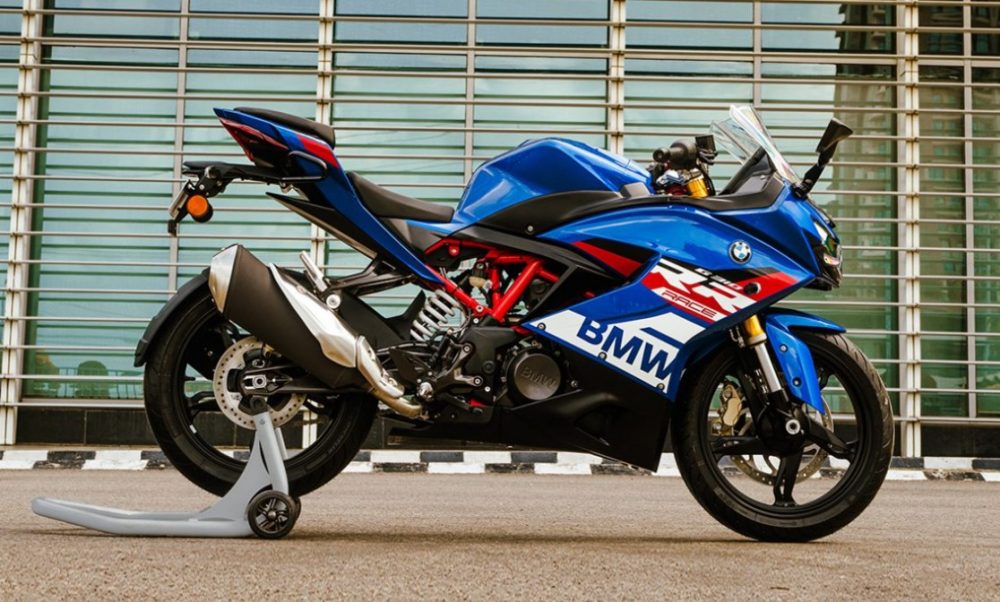
The BMW G 310 RR very well fits into this exact approach. It is a motorcycle that is developed with track-inspired intent at a displacement and has a price point that attracts wider audiences than traditional sports bikes ever could.
If you are a rider who seeks the credibility of a BMW sports bike without the weight, complexity or hefty cost of a larger displacement machine, the 310cc segment can be your rational and rewarding entry point.
Final Thoughts
Entry-level sports bikes have stopped being a compromise. They are now a conscious choice made by riders who are aware of the fact that displacement alone does not define the riding experience. India’s roads, riding culture, and buyer sophistication have all matured to a point where a sub-400cc sports bike can be the right motorcycle, not merely the affordable one. The manufacturers who recognised this shift early and invested in genuine engineering and they are the ones defining this segment today. The rest are still catching up.