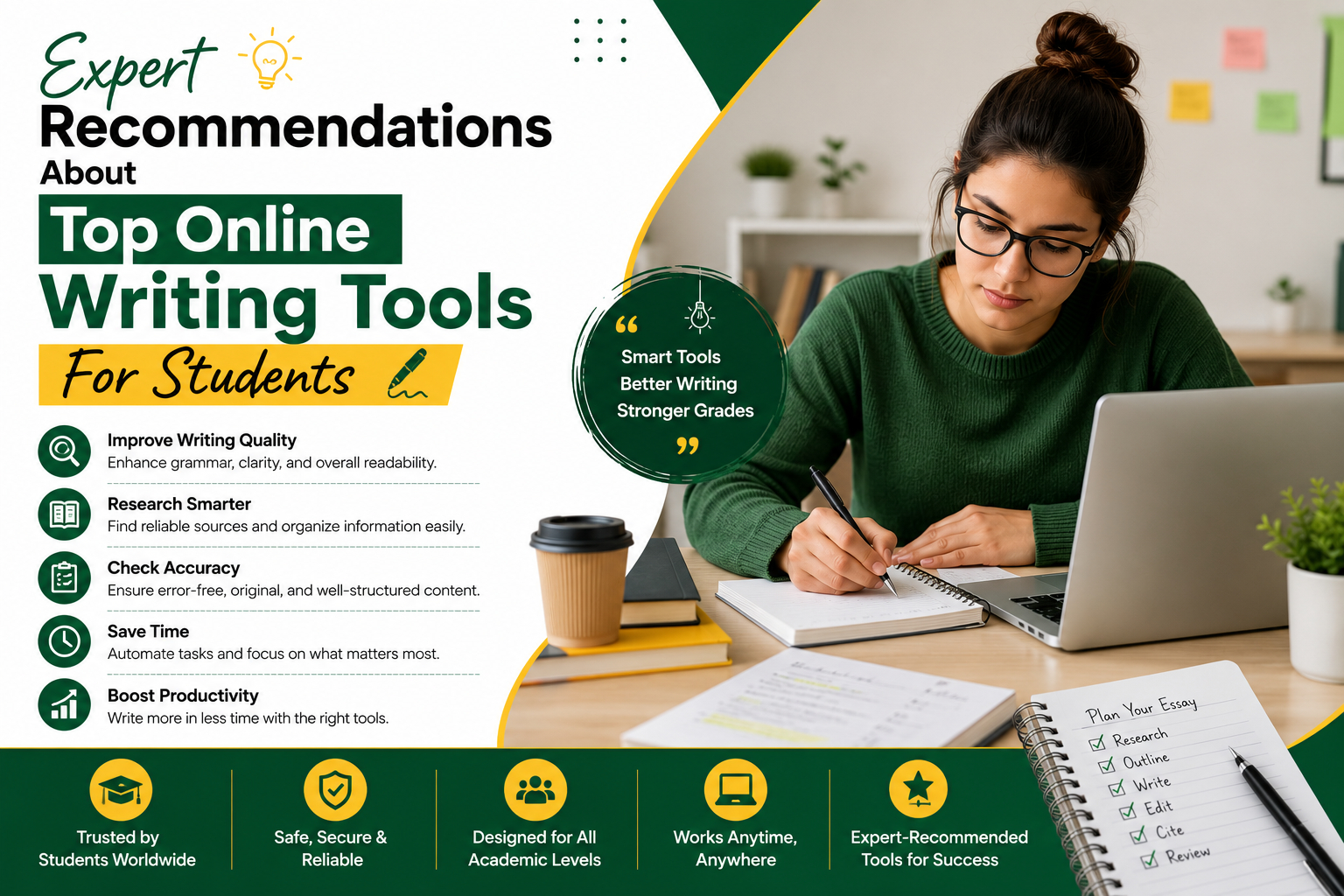
Writing a QQI assignment can feel challenging when you are unsure how to interpret the brief while organising your research or meeting the assessment criteria. QQI programmes assess a student’s/ knowledge, understanding and the ability to apply what has been learned to the relevant subject through their assignments.
A clear plan can make the process much easier. Keep reading to learn how, by understanding the brief, researching carefully and reviewing the final work against the assessment requirements, students can approach their QQI assignments with greater confidence.
How To Write High-Scoring QQI Assignments
A QQI assignment demonstrates your competence and works as a prove for your achievement of learning outcomes. Here is the approach that you need to follow for creating a top-scoring assignment.
Understand the QQI Assignment Brief First
Always start by reading the assignment brief carefully. Students working on QQI Assignment services should look for the learning outcomes and assessment requirements.
Pay attention to words such as explain, describe, analyse, evaluate and discuss. These words indicate what the assessor expects from the response.
For example, describing a concept involves explaining what it is, while analysing it requires a deeper examination of its different elements and relationships.
Break the Task Into Smaller Sections
A lengthy assignment becomes easier to manage when it is divided into smaller tasks. Instead of thinking about the full document at once, identify the individual questions that need to be addressed.
A simple outline can include an introduction, body sections dealing with the main requirements and a conclusion.
This approach also makes it easier to track progress as the assignment develops.
Research From Reliable Sources
Research is a very essential aspect of QQI assignments. Students should always use sources that are relevant to their subject and credible enough for academic work.
Books, academic journals, official organisations, professional bodies and reputable educational resources can provide useful information.
But this research material should support the assignment. You don’t need to simply fill it with quotations. Try to understand what is written in the sources and explain how it relates to the question.
Answer the Question Directly
One common problem with assignments is including information that is interesting but does not actually answer the task.
Always ask yourself this one thing before adding any paragraph: Does this information help answer the assignment question?
For example, if a QQI assignment asks about the importance of communication in a particular professional setting, a general history of communication may not be necessary. The discussion should instead focus on how communication affects that setting, supported by suitable examples and evidence.
Use Examples to Show Understanding
Examples can make academic explanations clearer, especially when a topic involves practical skills or workplace situations.
For example:
- A student studying healthcare can explain a theoretical concept and then show how it could apply when supporting a patient.
- Similarly, a business-related assignment could connect a management principle to a realistic workplace situation.
The example should have a purpose and should always clarify the point rather than simply being added to make the paragraph longer.
You can also choose to take assignment help for extra guidance on how to add examples and add detail in your assignment.
Structure Your Paragraphs Clearly
A useful academic paragraph usually has one central idea.
Start by introducing the point, then provide relevant evidence or explanation before showing how it connects to the assignment question. Longer paragraphs can be divided if they begin to cover several unrelated ideas.
Clear transitions can help the reader follow the discussion, but students do not need to add a transition phrase to every paragraph. A logical sequence of ideas should do most of the work.
Reference Sources Consistently
Any sources used in the assignment should be acknowledged according to the referencing requirements of the course or institution.
Always record source details while researching rather than trying to reconstruct them at the end. Keeping a simple list of books, websites, articles and other materials used during research to save your time during the final editing stage.
Review the Assignment Against the Criteria
Once the first draft is complete, compare it with the original brief and assessment requirements.
Check whether every question has been answered and if you have met the required learning outcomes or not.
Look for unsupported claims, repeated points, missing references and sections that need more explanation. Reading out the assignment aloud can help you catch awkward sentences and unclear sections.
FAQs
1) How long should a QQI assignment be?
There is no single word count that works for a QQI assignment. The required length depends on the specific programme and assessment instructions. Students should follow the requirements provided for their particular course.
2) How can students avoid going off-topic?
Returning to the wording of the assignment question throughout the writing process can help. Each major point should have a clear connection to what the task asks the student to demonstrate.
3) Is proofreading important for QQI assignments?
Yes. A final review can identify spelling mistakes, unclear sentences, missing references, formatting problems and unanswered parts of the brief. It also offers students an opportunity to check that the completed assignment is flawless before submission.
Final Thoughts
An effective QQI assignment starts with understanding what the task requires. From there, careful research, focused answers, relevant examples, clear paragraphs and consistent referencing can help turn research into a structured academic response.
The final review is just as important as the first draft. Checking the assignment against its assessment requirements gives students an opportunity to correct gaps before submission and ensures that the finished work reflects what the task actually asked them to demonstrate.