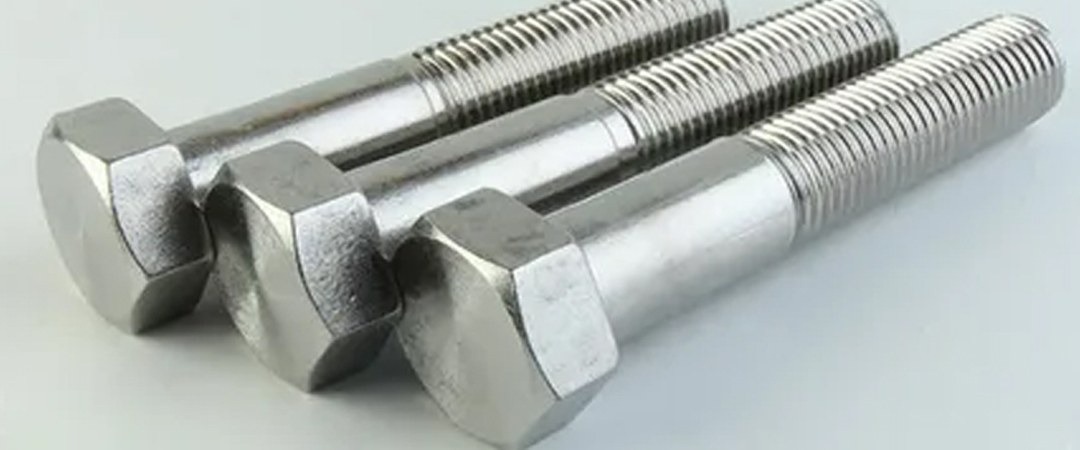
Flue gas desulfurization scrubbers rely heavily on robust fasteners to maintain equipment integrity during operation. Selecting an inadequate bolt material causes severe corrosion, leakage, costly maintenance, and sudden plant downtime. Engineers specify Hastelloy C276 hex bolts as the primary solution for these demanding environments. The extreme chemical conditions inside these units eat through standard alloys very fast. Hex bolts for FGD systems must withstand constant chemical attack to keep structural joints intact. Vision Alloys supplies these fasteners to ensure power generation facilities avoid structural failures. Using the right hardware directly extends the functional lifespan of the entire pollution control unit.
What Makes FGD Scrubber Environments So Aggressive
An FGD scrubber removes sulfur dioxide from exhaust flue gases in power plants. The internal environment exposes components to high concentrations of sulfur compounds and chloride-rich process fluids. These fluids generate highly acidic condensates on metal surfaces. There is continuous moisture present throughout the scrubbing cycle. High operating temperatures accelerate chemical reactions inside the vessel. Ordinary fasteners fail quickly under these severe conditions. The constant combination of heat, moisture, and acid requires highly specialized FGD scrubber bolts to prevent rapid material degradation.
Why Duplex 2205 Hex Bolts Have Performance Limitations in FGD Systems
Engineers restrict the use of Duplex 2205 hex bolts in these systems due to specific chemical vulnerabilities.
Good corrosion resistance under moderate conditions
This material handles basic corrosive environments reasonably well. It functions in mild chemical exposures but struggles totally in the highly saturated zones of a scrubber.
Susceptibility to localized corrosion
The complex dual-phase microstructure faces problems in concentrated acidic pools. Localized attacks target specific grain boundaries within the metal matrix and completely weaken the structural integrity.
Risk of pitting
High chloride levels break down the protective passive layer on these Duplex 2205 Fasteners. Deep pits form rapidly on the threaded sections and compromise the holding force.
Crevice corrosion concerns
Tight spaces under bolt heads trap stagnant acidic fluids. The alloy lacks sufficient molybdenum to stop crevice attacks completely in these hidden connection points.
Stress corrosion cracking under harsh operating conditions
Mechanical tension combined with high temperatures and chlorides causes tiny cracks. These cracks propagate rapidly through the bolt shaft and lead to sudden brittle failure.
Long-term durability limitations
The constant exposure to fluctuating pH levels shortens the functional life of the fastener. Facilities must replace these components frequently to prevent unexpected joint failures.
Why FGD Scrubbers Use Hastelloy C276 Hex Bolts
Operators depend on Hastelloy C276 fasteners because they survive the most aggressive chemical zones inside the scrubber.
Excellent resistance to chlorides
The high molybdenum content prevents chloride ions from penetrating the surface. This stops pitting from completely destroying the threads on corrosion-resistant hex bolts.
Outstanding resistance to sulfuric acid
The alloy remains stable in hot sulfuric acid condensates. It resists dissolving absolutely even when the acidic concentration levels spike during normal scrubber operations.
Strong resistance to oxidizing and reducing chemicals
The combination of nickel and chromium handles complex chemical fluctuations. The metal stays intact whether the process fluids are highly oxygenated or chemically starved.
Excellent mechanical strength
These fasteners hold heavy flanges tightly together under extreme physical loads. The material retains its structural properties perfectly even at elevated process temperatures.
Long-term reliability
Using industrial hex bolts made of this alloy extends the interval between replacements. Plants maintain continuous operations for years without worrying about fastener degradation.
Lower maintenance requirements
Crews spend less time inspecting and replacing heavily corroded joints. The bolts remain completely removable during scheduled outages rather than seizing inside the flanges.
Reduced shutdown risk
Equipment stays online because the structural connections do not fail unexpectedly. Eliminating sudden fastener breaks keeps the power plant running at maximum capacity.
Benefits of Choosing Hastelloy C276 Hex Bolts in FGD Systems
Specifying these specialized Power Plant Fasteners provides direct operational advantages for heavy industrial facilities and maintenance teams.
Longer service life
The fasteners outlast standard stainless steel options by a significant margin. This longevity directly supports the intended operational life of the entire scrubber unit.
Lower replacement frequency
Procurement teams order fewer batches of replacement hardware over a decade. The initial material investment pays off totally through vastly reduced hardware consumption.
Reduced maintenance costs
Labor expenses drop because workers do not have to extract damaged bolts constantly. Budgeting becomes completely predictable for the facility maintenance department.
Better equipment reliability
The scrubber casing and internal piping remain securely fastened. This stability prevents vibration damage and keeps all internal fluid distributions operating correctly.
Leak prevention
Tight joints prevent toxic flue gases and acidic fluids from escaping the vessel. The bolts maintain the necessary continuous clamping force on the flange gaskets.
Improved operational safety
Secure vessels protect plant personnel from accidental exposure to hot acid. Removing the risk of sudden structural failure creates a much safer work environment.
Lower total ownership cost
The higher initial purchase price balances out over years of uninterrupted service. Facilities save money absolutely by avoiding emergency repairs and unscheduled downtime events.
Key Factors in FGD Fastener Selection
Engineers evaluate several specific process variables before selecting the final hardware for the equipment.
Operating temperature
The internal heat affects the mechanical strength of the metal. Fasteners must maintain their proof load at the maximum thermal output of the system.
Chloride concentration
Higher chloride levels require alloys with a higher pitting resistance equivalent number. The bolt material must match the specific water chemistry of the plant.
Chemical exposure
Different scrubbing reagents create different corrosive byproducts. The selected alloy has to resist the exact acids generated by the specific fuel source.
Pressure conditions
Internal vessel pressure pushes outward on the flange connections. The bolts must provide enough continuous clamping force to counteract this internal outward stress.
Maintenance intervals
Facilities plan specific outage windows for major repairs. The hardware must survive completely intact between these scheduled inspection and maintenance periods.
Expected service life
Engineers calculate how long the scrubber runs before major replacement. The fastener material should theoretically match this same expected timeline exactly.
Industry standards
Procurement relies on specific ASTM and ASME material grades. All supplied FGD Scrubber Fasteners must pass rigorous testing to meet these exact mechanical specifications.
Material compatibility
The bolts must match the galvanic potential of the flange material. This prevents rapid galvanic corrosion from totally destroying the connection points.
Conclusion
Selecting the correct fastener material determines the long-term success of a flue gas desulfurization unit. Using Hastelloy C276 Hex Bolts stops rapid corrosion and prevents unexpected structural failures in highly acidic environments. This alloy handles the harsh chlorides and temperature spikes that easily eat through basic steel hardware. Engineers secure their critical infrastructure and lower overall maintenance expenses by specifying this exact metal. Visionalloys.com supplies these specific industrial fasteners to support continuous operations in the most demanding power generation facilities globally.