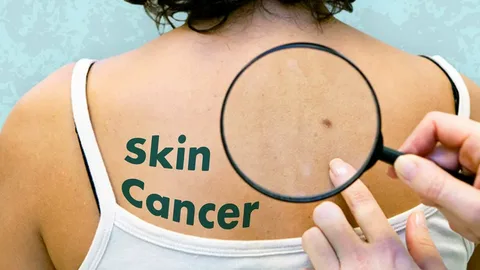
When skin cancer is diagnosed, choosing the right treatment becomes one of the most important decisions for your health. Surgery is a common option, but it is not always the best choice for every person or every area of the body. Some people prefer a treatment that protects healthy skin while still targeting cancer cells.
That is where SRT skin cancer treatment becomes an option worth understanding. This advanced, non-invasive approach focuses on treating certain types of skin cancer without cutting the skin. Learning how it works, who it helps, and what to expect allows you to make informed decisions about your skin health with greater confidence.
Understanding Superficial Radiation Therapy
Superficial Radiation Therapy, often called SRT, is a treatment that uses low-energy radiation to destroy cancer cells found close to the surface of the skin. Since the radiation does not travel deeply into the body, it mainly targets the affected area while reducing damage to surrounding healthy tissue.
The treatment is commonly recommended for certain non-melanoma skin cancers. It is especially useful when surgery is not suitable because of the location of the cancer, cosmetic concerns, or personal health conditions.
Unlike traditional surgical procedures, SRT does not involve incisions, stitches, or general anesthesia. Because of this, many people find the treatment more comfortable and easier to fit into daily life.
How SRT Skin Cancer Treatment Works
During treatment, a special machine directs controlled doses of radiation to the cancerous skin area. Each session usually takes only a short time, and you can return to normal activities soon after your appointment. Your dermatologist designs the plan for SRT skin cancer treatment based on the type, size, and location of the affected skin area to achieve the best possible results.
The radiation damages the DNA inside cancer cells, preventing them from growing or multiplying. Over time, the body naturally removes these damaged cells while healthy tissue continues to heal.
The treatment plan usually includes multiple sessions spread over several weeks. The exact number depends on the size, depth, and location of the skin cancer.
Who Can Benefit from This Treatment?
Not everyone requires the same type of skin cancer treatment. Your dermatologist evaluates several factors before recommending the most suitable option.
You may benefit if you:
- Have certain non-melanoma skin cancers.
- Want to avoid surgery.
- Have medical conditions that increase surgical risks.
- Have skin cancer in visible areas where cosmetic appearance matters.
- Need treatment with minimal recovery time.
Your overall health, skin condition, and cancer diagnosis all help determine whether this approach is appropriate for you.
Advantages of Choosing SRT
One reason many patients consider SRT is its combination of effectiveness and convenience. The treatment offers several benefits that support both medical outcomes and comfort.
Some key advantages include:
- No surgical cuts or stitches
- Minimal discomfort during treatment
- Little or no downtime
- Lower risk of infection compared with surgery
- Good cosmetic appearance after healing
- Suitable for many older adults or patients with health concerns
Many people continue their normal daily routine while completing the scheduled treatment sessions.
What Happens During Each Appointment?
Each visit follows a simple process designed to keep you comfortable.
First, the treatment area is carefully examined and positioned under the radiation device. Protective measures ensure that nearby healthy skin receives as little radiation as possible.
The machine delivers radiation for only a few minutes. The process is painless for most patients, although some notice mild warmth or temporary skin irritation afterward.
Because no surgery takes place, there are usually no bandages, stitches, or lengthy recovery periods.
Finding the Right Dermatology Provider
Choosing an experienced dermatologist plays an important role in achieving the best possible outcome. A qualified specialist evaluates your skin carefully, confirms the diagnosis, and creates a treatment plan based on your specific needs.
If you search for SRT dermatology near you, look for a clinic that offers detailed skin evaluations, modern treatment technology, clear communication, and regular follow-up appointments. A personalized treatment plan helps ensure that every stage of care matches your individual condition while supporting long-term skin health.
Is This Treatment Right for Every Skin Cancer?
Although SRT is highly effective for many non-melanoma skin cancers, it is not suitable for every diagnosis. Some deeper or more aggressive cancers may require surgery or other treatment methods.
Your dermatologist considers several important factors, including:
- Type of skin cancer
- Tumor size
- Tumor depth
- Treatment location
- Overall health
- Previous skin cancer history
A complete examination always helps determine the safest and most effective treatment choice.
Importance of Follow-Up Care
Completing treatment is only one part of protecting your skin. Regular follow-up visits allow your dermatologist to monitor healing and check for any signs of new skin changes.
Protecting your skin from excessive sunlight, using sunscreen, wearing protective clothing, and performing regular skin checks also support long-term skin health. Early detection continues to play a major role in successful treatment outcomes.
Patients seeking SRT therapy in Stockton should also remember that ongoing skin monitoring remains just as important as the treatment itself. Consistent follow-up appointments help detect future concerns early and support healthier skin over time.
The Closing Thoughts
Understanding SRT skin cancer treatment helps you explore a non-surgical option that effectively treats certain types of skin cancer while preserving healthy tissue. With minimal downtime, a comfortable treatment process, and strong cosmetic results, this approach meets the needs of many patients.
By working closely with a qualified dermatologist and following every recommended follow-up visit, you give yourself the best opportunity to maintain healthy skin and manage skin cancer with confidence.