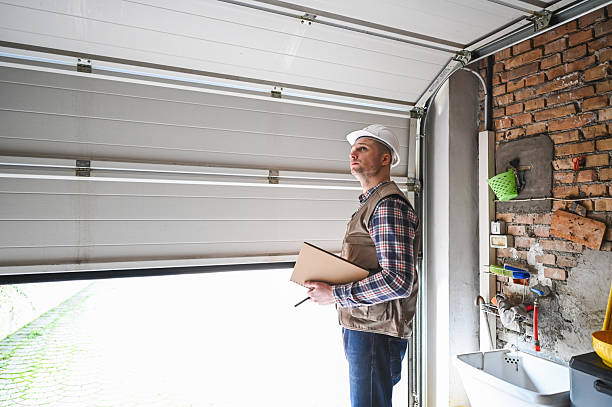
Underground plumbing issues can expand quietly for years without visible signs on the ground, making them smooth to miss on routine inspection. Sewer scope inspection muddies these hidden issues, with corrosion and root penetration often going unnoticed until damage appears that it is able to feel like a stage remain.
5 Underground Plumbing Problems & What They Signal
Many underground plumbing issues point to deeper issues that can affect the structure and livability.
1. Leaks & Structural Stability Risks
Leaks from underground water tracks or sewer lines can slowly affect how the soil supports the structure. As water incorporates soil and dirt away, invisible voids beneath the property begin to take shape. These adaptations are later and earlier dominant and appear as slab cracks or diffuse deviations in parts of the house. It doesn’t always show up suddenly, now and again years later it’s much easier to notice when the damage looks extra.
Driveways and walkways may begin to show stress in the form of lifts or cracks. This is often associated with ground movement due to prolonged leaks underground. In certain cases, large drainage failures can also create sediment-like sinks in parts of the garden, which is often an additional intensifying factor to anything that goes into the ground.
2. System Deterioration & Poor Maintenance History
Recurring issues when it comes to underground plumbing usually suggest that the appliance is old or no longer in proper condition. However, older homes often have materials like clay or galvanized metal in place. These will clearly pot over the years. Monitoring the sewer system makes this less difficult to spot, especially when there is corrosion, buildup or pieces of pipe start to fall off in parts.
It can also factor inconsistent recovery records. Sometimes it was constant in small patches over time without changing the tube well. That form of the model can be traced to ongoing maintenance issues or drawings that are now not quite up to standard, which may additionally require better evaluation .
3. Tree Root Intrusion & Sewer Line Deterioration
Tree roots are often a problem in underground piping systems, especially in older areas where vegetation has changed over time. Because roots seek moisture, even small openings in pipes can end up being infiltration factors. Once introduced, they can slowly develop and begin to interfere with the device.
Another signal could be a flat plant bomb on the floor. Some areas of grass may also look unusually green or dense because leaking water feeds the soil. This is something often noticed during home inspections Los Angeles County, especially in residences with mature trees and older sewer tracks, indicating that the underground system as a whole is under stress.
4. Sewer Odors & Indoor Livability Concerns
Some underground plumbing problems can start to affect housing conditions more directly every day. You can find persistent bad weather outside in your backyard or near your gutter, even when the inside of your home looks unaffected. These odors will often go unnoticed to start faint, but they generally indicate a huge problem growing underground.
When a pipe leaks below the surface, moisture can slowly seep upward through the soil and begin to affect the indoor environment. This can also cause damp areas in partition systems or cause initial mold formation in hidden places in the home. It usually does not seem noisy at first, but over time, the wind can affect the best comfort and interior, it is usually when considering even control.
5. Hidden Plumbing Failures & Repair Costs
One of the biggest real concerns with underground plumbing hazards is the costs that come later. Surprise increases in water bills can occasionally be the first sign of an ongoing hidden leak. Even small cracks in underground streams can waste significant amounts of water without being noticed far enough.
Where the problem sits is that it makes for a first-class position in renewal pricing. If there are miles or deep grassy landscapes under paved areas, excavation is usually necessary. This greatly increases the final price. Sewer overflow findings typically help homeowners recognize those risks and capacity costs early on, before problems get worse.
Conclusion
Underground pipe problems are usually slow, hidden for years before appearing, and can simultaneously affect more than one element of a property and when diagnosed early unexpectedly allow for planned repairs rather than emergency repairs. A proper estimate helps reduce homeowners’ doubts and make greater maintenance choices. In addition, timely repairs help manipulate losses and guide structural strength, equipment performance, and normal asset value.