Traditionally, overseas education consulting industry has been based on face-to-face meetings, paper documentation and manual follow ups. However, in recent years, a new technology revolution has transformed the way Indian students search, apply and secure admission in foreign universities, from AI-based matching system to cloud-based document management. Let’s take a closer look at the major technologies that enable this change.
The Old Way vs. The New Way
Ten years ago, selecting a foreign university meant flipping through brochures, waiting weeks for emails and manually keeping track of multiple application deadlines on paper. Today, technology has helped to streamline this entire process into digital dashboards, real time chat support and automated tracking systems – making it quicker, clearer and much less stressful for students and their families.
AI-powered University & Course Matching.
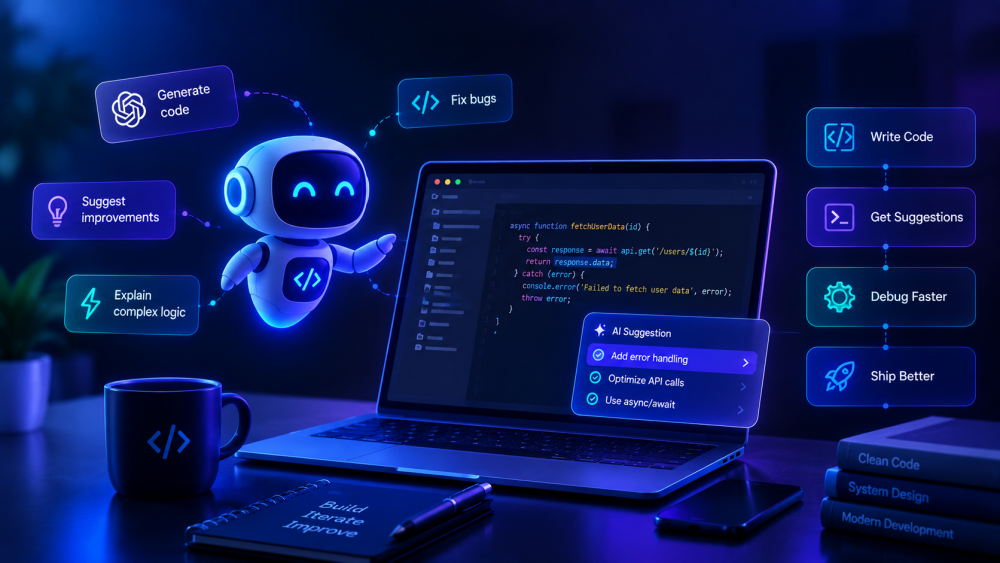
Artificial Intelligence recommendation engines are one of the greatest changes. Rather than manually running through a list of universities based on a general impression, modern platforms can use thousands of data points to come up with a personalized shortlist of universities in mere minutes: course curriculum, historical admission rates, scholarship availability, graduate employment outcomes, course prerequisites, and more. This saves the students from guesswork and they may find options that they wouldn’t have found themselves.
Cloud-Based Document Management
Once, it was all about physical folders, and tons of photocopies, regarding transcripts, SOPs, recommendation letters, and visa paperwork. Cloud document platforms now allow students to upload, organize and share documents with consultants and universities in real-time, and receive automatic reminders for missing documents and deadlines. This drastically reduces the chances of a delayed or incomplete application – one of the most common reasons for missed intakes.
Virtual Counseling and Video Consultations
The geographical divide between good advice is no more. Video-counselling sessions with qualified consultants are now an option for students from smaller towns and cities, who must travel long distances only for the initial consultation. This has helped the best overseas education consultants in India extend quality guidance to students across the country, not just in metropolitan cities.
AI Chatbots for Instant Query Resolution
To deal with the most common queries, such as the status of an application, documents, or simple eligibility queries, many consultancies are now turning to AI-powered chatbots that can respond instantly, 24/7. This allows human counselors to provide more in-depth and individualized advice while still providing students with answers to the most frequently asked questions at any time.
Predictive Analytics for Visa Success.
One of the top issues for overseas students is getting a visa refused. Newer platforms are now leveraging predictive analytics based on historical visa success rates to identify potential red flags in a student’s financials or profile before it is submitted, enabling consultants to preemptively bolster weak areas instead of just responding to rejections.
Digital Test Preparation and Adaptive Learning
English proficiency exams such as IELTS and PTE exams have also become digital, featuring AI-adaptive learning platforms that adapt the difficulty of the practice exercises according to the student’s real-time performance. This means better, more focused preparation than a generic one-size-fits-all coaching, which may result in quicker score gains.
Application Management Console
Students can now access centralized dashboards with real-time updates of the status of each university application, visa process and scholarship submission, rather than having to call or email a consultant to get updates, providing a transparency level that was completely unheard of 10 years ago.
Blockchain: The solution for credential verification
Similarly, blockchain technology is gaining traction in creating verification systems that are now starting to simplify the process of verifying academic credentials and certificates across different countries, thereby lowering the risk of fraud and hastening the verification process for universities and immigration authorities.
The Road Ahead
AI and automation are evolving, and we’ll see more integration; from AI-generated feedback on SOP writing to fully automated systems for verifying visas on documents, all with responsible use, and always accompanied by human oversight. The consultancies who are able to adjust most quickly to these tools, while at the same time maintaining the personal element that drives real-life changing decisions, will be the ones to drive the next wave of growth in this industry.
Final Thoughts
Technology has not taken the place of the need for experienced human guidance in study abroad consulting, but it has made experienced human guidance more accessible, more precise and faster than ever before. This quiet technological revolution is a welcome change for those students who are dealing with the daunting task of applying overseas, as it helps eliminate some of the paperwork hassles, transparency and ultimately better-informed decisions on students’ academic futures.