A vehicle inspection is more than just a routine check; it’s a snapshot of your car’s safety, condition, and long-term reliability. Whether you’re preparing for a state inspection, resale, or simply staying ahead of maintenance, understanding what inspectors look for can save you time, money, and stress.
Many vehicle owners only think about inspections when the appointment is already scheduled. However, a little preparation goes a long way in ensuring your vehicle passes smoothly and continues performing at its best.
Here are 10 important things every driver should know before their next vehicle inspection.
1. Safety Systems Are the Top Priority
Inspectors focus heavily on safety-related components such as brakes, steering, seat belts, and airbags. Even minor issues in these systems can lead to inspection failure or require repairs before approval.
2. Tires Must Meet Minimum Standards
Tire condition is one of the most common reasons vehicles fail inspection. Worn tread, uneven wear, or visible cracks can raise concerns about road safety. Proper tire maintenance ensures better handling and improves inspection outcomes.
3. Cosmetic Damage Can Still Influence Perception
While minor dents may not directly cause failure, visible exterior damage can affect how a vehicle’s overall condition is perceived. This includes scratches, paint issues, and hail damage.
Severe storm damage is especially common in certain regions. For example, drivers searching for hail damage repair Hobbs NM often do so after noticing how hail can impact both appearance and resale value.
4. Hail Damage Should Not Be Ignored
Hail damage may seem cosmetic, but it can reduce vehicle value and sometimes affect structural panels. Addressing it before inspection ensures your car presents well and maintains its market appeal.
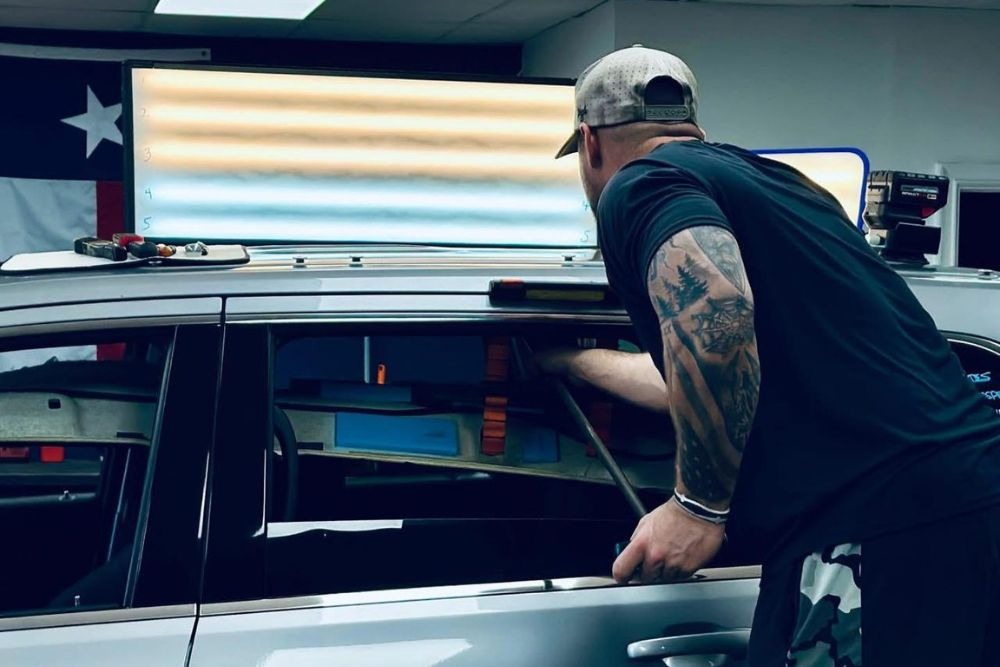
Professional services like Paintless Dent Repair are commonly used to restore vehicles without affecting the factory paint finish. Companies such as Oh Wow Auto Hail Repair LLC specialize in mobile auto hail damage restoration, helping vehicle owners quickly recover from storm damage while preserving long-term value.
5. Lights and Electrical Systems Matter
Headlights, brake lights, indicators, and hazard lights must all function correctly. Even a single faulty bulb can result in a failed inspection. It’s a simple check that can prevent unnecessary delays.
6. Windshield and Visibility Are Carefully Checked
Cracks, chips, or heavy damage to the windshield may affect inspection results depending on severity and location. Clear visibility is essential for safe driving and compliance.
7. Fluid Leaks Can Raise Red Flags
Oil, coolant, brake fluid, or transmission leaks often indicate deeper mechanical issues. Inspectors may flag vehicles showing signs of active leaks, so it’s important to address them beforehand.
8. Emissions and Engine Performance Are Evaluated
In many regions, emissions testing is part of the inspection process. A poorly maintained engine or faulty sensors can lead to higher emissions and potential inspection failure.
9. Regular Maintenance Improves Inspection Success
Oil changes, filter replacements, brake servicing, and general tune-ups significantly increase the chances of passing inspection. A well-maintained vehicle not only performs better but also signals reliability.
10. Preparation Makes the Process Stress-Free
Simple pre-inspection checks, like testing lights, checking tire pressure, and reviewing dashboard warning lights, can help you avoid surprises. A few minutes of preparation can prevent unnecessary repair costs and delays.
Final Thoughts
Vehicle inspections are designed to ensure safety, performance, and roadworthiness. While mechanical systems take priority, cosmetic condition and maintenance history also play a role in overall evaluation and future resale value.
Being proactive before your inspection helps you avoid last-minute issues and keeps your vehicle in better long-term condition. Companies like Oh Wow Auto Hail Repair LLC continue to support vehicle owners with fast, mobile Paintless Dent Repair solutions that restore vehicles after storm damage and help maintain their factory-finish appearance.
FAQs
1. Why is a vehicle inspection important?
Vehicle inspections help identify safety concerns, mechanical issues, and maintenance needs before they become costly problems. They also ensure your vehicle meets local regulations and remains roadworthy.
2. What documents should I bring to a vehicle inspection?
Typically, you’ll need your vehicle registration, proof of insurance, and any maintenance records that may help inspectors assess your vehicle’s condition.
3. Will exterior damage affect a vehicle inspection?
While cosmetic damage may not always cause a vehicle to fail inspection, significant damage can raise concerns about the vehicle’s overall condition and value.
4. Should I repair hail damage before an inspection?
Repairing hail damage beforehand can improve your vehicle’s appearance and help maintain its resale value. Professional hail damage repair minneapolis Hobbs NM services can restore your vehicle’s exterior efficiently.