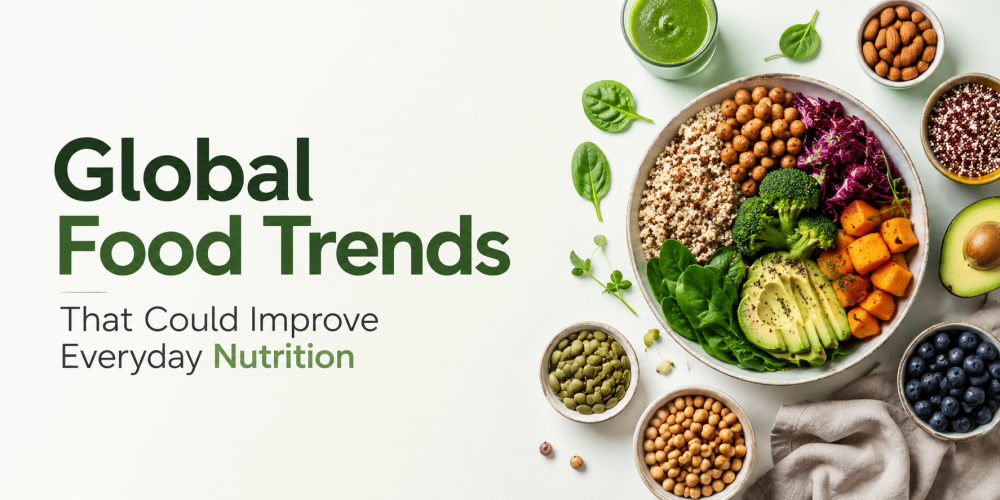
For generations, chocolate has been and continues to be one of the world’s best-selling candy items. To date, the majority of chocolate consumers’ purchase decisions are still influenced primarily by taste and quality; however, there has been a noticeable shift in more recent years in how customers make food purchase decisions. As people seek and grow increasingly concerned with issues related to nutrition (dietary needs), where ingredients are sourced, and environmental issues, they are looking beyond just taste when selecting food products.
With the changing consumer food preferences affecting many categories within the candy industry, they are also having an impact on the Dark Chocolate Market; in particular, the increasing demand for sugar-free and vegan products is creating new innovative opportunities for manufacturers and broadening the customer base for dark chocolate with consumers. As chocolate manufacturers adjust to changing consumer expectations, this is changing how chocolate is manufactured, marketed and consumed around the world.
Understanding the Shift in Consumer Behaviour
Consumers’ food selections today are heavily influenced by health, ethical and lifestyle factors. With the availability of more nutritional data than previously available, consumers are better equipped to compare multiple items before purchasing them and have access to all of the nutritional information available about these products. The result has been that consumers have become increasingly picky regarding the foods they eat, as well as how those foods fit into their overall dietary patterns.
The growth of specialized diets has also contributed to shifting buying habits. While there are many consumers who are looking to have foods lower in sugar, there are also many who are looking to buy items that are consistent with a plant-based lifestyle. In most cases, these decisions are made not based on stringent dietary guidelines but rather through the desire to make more informed decisions regarding their purchases.
This general trend will continue to offer food producers the opportunity to create products that accommodate various tastes and preferences while maintaining the existing inherent qualities and features inherent to a particular product.
Why Sugar-Free Chocolate Is Gaining Attention
People are being more and more concerned with their sugar intake and have made it an important part of their decisions about the foods they purchase. Recent discussions regarding public health, studies in nutritional science and the increased availability of dietary information have contributed to the increased awareness of and motivation to monitor how much added sugar people eat.
Some people use a reduction in their sugar consumption as part of a larger plan to maintain good health, while others simply prefer to eat foods with lower amounts of added sugar in order to maintain an overall balanced diet. Regardless of the underlying motive for reducing sugar intake, the demand for alternative products has continued to increase steadily.
Dark chocolate has inherently benefited from this trend as it is often lower in added sugar than many other types of chocolate. Manufacturers have also taken the extra step of developing completely sugar-free chocolate products,s which provide the same sensory experience as traditional chocolates that contain sweeteners.
Developing sugar-free chocolates can pose some unique technical challenges. In addition to sweetness, sugar contributes to the texture, structure and mouthfeel of foods and therefore, when it is removed, an alternative ingredient needs to be used in order to provide the same attributes without adversely affecting the quality of the finished product.
In recent years, advancements in food science have allowed the food industry to overcome many of these challenges. Many of today’s chocolate products that use alternative sweeteners offer the consumer a very similar chocolate experience to traditional chocolate products. Additionally, advancements in ingredient technology have greatly reduced many of the taste and texture deficiencies typically found in past sugar-free products.
As a result, sugar-free dark chocolate has become increasingly accessible to consumers seeking greater choice within the confectionery category.
The Growing Influence of Plant-Based Eating
The growing popularity of plant-based diets has evolved from being just a fad into a worldwide lifestyle. While the vegan movement continues to drive much of the growth in the production and consumption of plant-based foods, today’s plant-based foods can be found beyond just those who have eliminated animal-based products.
Many people identify themselves as flexitarians by making a choice to limit their consumption of animal-based foods, but not cutting them out altogether. Others choose plant-based products for reasons related to the environment, their own personal choices or simply because they are intrigued by trying new alternative ingredients.
This shift towards a predominantly plant-based diet is influencing food manufacturers to think outside the box when it comes to developing new products. One sector that has greatly benefited from this trend is the chocolate industry, where there have been numerous innovations within vegan formulation.
While traditional dark chocolate varieties contain lesser amounts of dairy compared to milk chocolate varieties, not all brands of dark chocolate are 100% free of animal-derived ingredients. In order for manufacturers to meet the needs and desires of vegan consumers, they have developed specialized formulations that eliminate dairy while maintaining similar flavour, feel and character.
The growing success of these products shows how consumer preferences for dietary habits are driving innovation opportunities within established food categories.
Innovation Behind Modern Chocolate Formulations
Developing sugar-free and vegan chocolate products requires considerable scientific expertise. Chocolate production involves a delicate balance of ingredients, processing techniques, and flavour development.
When manufacturers replace sugar or dairy ingredients, they must consider how these changes affect every stage of production. Alternative sweeteners may behave differently during mixing and processing, while plant-based ingredients can influence texture, melting characteristics, and shelf stability.
Researchers continue to investigate new ingredient combinations that improve product performance while maintaining consumer expectations. Advances in food technology have led to more sophisticated sweetener systems and improved plant-based ingredients capable of delivering better consistency and flavour.
These innovations highlight the important role that research and development play in adapting traditional foods to modern dietary preferences.
How Health Awareness Is Shaping Product Development
Awareness Of Diet & Wellness Affects All Food Innovations
Health-conscious consumers have influenced food innovation across many different food-related industries. Health-conscious consumers are now more aware than ever before of how foods fit into their overall dietary patterns and lifestyle choices. To respond to these consumer demands for health consciousness, many manufacturers today are focusing on nutrient transparency and nutrition labels for products purchased by consumers.
Consumers want to know what they are eating, how it is made, and whether the product contains any ingredients that may be harmful to them or affect their health in any way. Consumers may, therefore, seek out products that are clearly labelled as vegetarian or vegan, for example.
Dark chocolate is a type of product that has a unique position among these consumers, because while it is still a candy and serves as a treat, it is viewed by many consumers to be a healthier alternative to other sweets, generally speaking, due to its lack of sugar compared to most sugary confections. Because of this positive perception, many manufacturers are starting to experiment more with developing recipes that align with current dietary trends.
We have also seen the introduction of sugar-free and vegan-friendly types of chocolate as more choices for consumers have become available, thereby facilitating an evolution of the product’s role within the consumer’s diet, as opposed to completely changing its role in the consumer’s diet.
Sustainability and Ethical Considerations
Many people believe the reason for the increased demand for vegan items is primarily related to a larger discussion about sustainability and being environmentally responsible. Different individuals have different reasons for wanting vegan products; however, a common trend is an increase in negative sentiment towards the entire food production system.
More and more consumers want to know where their food originates from, how it is produced, and what repercussions their particular choices may have on the environment. This trend can be seen in all types of foods, not only chocolate.
As a result, manufacturers continue to adopt better sourcing practices and are putting more emphasis on supply-chain transparency. Over the past few years, discussions regarding how cocoa farmers are compensated (i.e., fair compensation) and how cocoa is produced (i.e., responsible agricultural practices) have significantly increased within the cocoa industry.
Although not all sugar-free or vegan items are thought to be more sustainable than their sugar-containing or non-vegan counterparts, there still exists a strong interest/overlap from consumers who are looking for more information on the origin of ingredients and how these ingredients were produced. This is why sugar-free and vegan products continue to grow in visibility in the marketplace.
Expanding Access Through Retail Channels
Sugar-free and vegan chocolate alternatives have become increasingly popular because they are more readily available now than ever before. Typically, these types of products could only be found in specialty health food stores. Today they are frequently found at grocery stores, gas stations and even online.
More access to sugar-free and vegan chocolates has allowed consumers to have many more choices and compare lots of products. Additionally, it has helped to legitimate/nonormalizehe alternative formulations, benefitting consumers by placing them side-by-side with standard confectionery items.
The availability of online retail has aided this trend even further due to having more complete product information available,e as well as providing consumers access to brands and varieties of products that they may not have easy local access to. The combination of physical and digital retail channels has never been easier to find unique/ specialty chocolates.
Challenges That Remain
Although great strides have been made by manufacturers, there continue to be hurdles when making sugar-free and vegan chocolates.
One of the major issues has been how to strike the right flavour and alsomaintain then quality of functionality for consumers. Chocolate should taste good, and if there is any perception that it does not taste good or taste good enough, it can negatively impact its acceptance.
There are also issues related to the cost of ingredients. The alternative sweeteners and specialty plant-based ingredients used to make chocolates typically cost more than the traditional ingredients, which impacts both production costs and pricing strategies.
Another issue is that while the awareness of sugar-free and vegan chocolates has increased, there are still a lot of consumers who do not understand the types of ingredients used to make these products. Therefore, if these products have clear labelling and accurate information, it may help dispel some of these mythological beliefs about the products, thereby improving understanding of the products.
The additional challenge comes from the regulatory compliance issues that address how food manufacturers’ ingredient claims (like sugar-free), how food manufacturers describe their products, and how food manufacturers label them, and there are different requirements of differing grocery product categories that vary depending on which country the manufactured goods are being sold in.
Manufacturers must also continue to do research, invest, and adapt as consumer expectations continue to change.
What the Future May Hold
The future of chocolate development may face some obstacles and challenges from the current state of innovation. While there has been a lot of progress made, with regard to food science and the development of new technologies, consumers still want to see more commitment from brands for transparency, sustainability, and health.
Food scientists will continue to investigate novel sweeteners and plant-based ingredients, while manufacturers work to perfect their processing techniques, which will allow them to create better quality products. Many of these advances will help provide solutions to the technical limitations they face, giving manufacturers a wider selection to choose from.
As consumer preferences evolve, so too does the need for manufacturers to adjust to their needs; the industry has continued to grow, as seen with the increase in sugar-free and vegan chocolate products from companies producing those products.
Ultimately, by addressing and adapting to consumers’ changing diets through investment in technology and exploring options that are more appealing to customers of all backgrounds, the chocolate industry can be successful at attracting, satisfying, and retaining customers.
Conclusion
The growing trend toward both sugar-free and vegan chocolate products mirrors how consumers make choices about food, including factors such as the healthiness and transparency of the ingredients, environmental impact, and food requirements based on individual diets.
With consumers looking for sugar-free and vegan chocolates, the chocolate industry has produced innovations to meet these changing consumer needs. Sugar-free formulations provide consumers with alternative options when looking to decrease their consumption of sugar, while vegan chocolates create more options for those who wish to eat more plant-based products.
Although there are still many challenges in the chocolate industry, advancements in food technology are helping to improve the quality and availability of products. As consumer demand changes and research continues to advance, sugar-free and vegan dark chocolate products will likely continue to be an ongoing part of the industry. Understanding these consumer trends will provide valuable insight into how new ways to live and advances in technology are shaping the future of one of the most commonly consumed food product categories in the world.