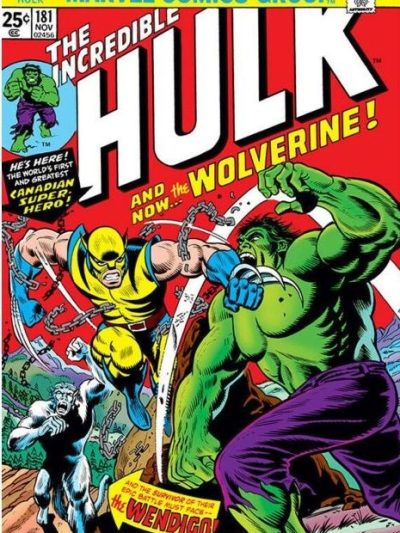
Visual art has evolved beyond simple decoration. Today, posters reflect identity, taste, and emotional connection to storytelling. When browsing for animation posters, you are not only choosing an image but investing in design quality, print precision, and long-term visual appeal. Yet not every poster available meets high standards. Many look appealing at first glance but lack durability, clarity, or artistic depth.
Understanding how to evaluate poster quality helps you avoid poor purchases and ensures your selection remains visually strong over time. From print materials to artistic composition, every detail contributes to the final result. Learning these distinctions allows you to confidently choose posters that stand out and maintain their value.
Evaluate Print Resolution and Image Clarity
High-quality posters begin with strong image resolution. A clear and sharp print ensures that every detail remains visible, even when viewed up close. Low-resolution prints often appear pixelated or blurred, especially in areas with fine lines or gradients.
You should examine edges, shading transitions, and color blending. Crisp outlines and smooth gradients indicate professional production standards. For example, scenes inspired by Golden Gate Bridge Sunrise visuals require precise color transitions to capture light and atmosphere accurately. Poor resolution weakens the visual impact and reduces the overall appeal of the artwork.
Check Paper Quality and Material Durability
The material used for printing significantly affects how long a poster lasts. Thin paper may tear easily, fade quickly, or wrinkle under slight environmental changes. High-quality posters are printed on thicker paper that resists wear and maintains color integrity over time.
You should look for materials with a smooth or slightly textured finish that enhances ink absorption. Durable paper supports better color retention and prevents early fading. Posters that use premium materials often feel more substantial and maintain their structure even after framing or long-term display.
Analyze Color Accuracy and Depth
Color plays a critical role in animation art. Vibrant tones, balanced contrast, and accurate shading create visual depth. Poor-quality posters often show dull colors or uneven saturation, which reduces the artwork’s impact.
When reviewing a poster, observe how colors interact. High-quality prints display consistent tones across the entire surface. Deep blacks, bright highlights, and balanced midtones contribute to a more immersive look. Those influenced by fantasy poster themes rely heavily on color richness to create atmosphere and visual storytelling. Without proper color accuracy, the design loses its intended effect.
Examine Artistic Composition and Detail
A high-quality poster is not defined only by printing standards; artistic composition also matters. Well-designed posters follow visual balance principles, including symmetry, focal points, and spacing.
You should notice how elements are arranged within the frame. A strong composition guides your attention naturally across the artwork. Details such as character positioning, background layering, and perspective contribute to the overall aesthetic. When these elements are carefully structured, the poster feels cohesive rather than cluttered.
Look for Professional Finishing Techniques
Finishing techniques add the final layer of quality to a poster. Features such as matte coatings, gloss finishes, or protective laminations enhance both appearance and durability. These techniques help prevent scratches, fading, and moisture damage.
You should also inspect edges and borders. Clean cuts and consistent margins indicate careful production. Posters with uneven edges or poorly aligned prints often reflect lower manufacturing standards. High-quality finishing ensures the poster maintains its visual appeal even after extended use.
Assess Longevity and Fade Resistance
A poster should maintain its quality over time. Exposure to light, humidity, and air can gradually affect colors and paper condition. High-quality posters are designed to resist these factors through better inks and protective coatings.
You should consider how the poster will age. Fade-resistant inks preserve color vibrancy, while durable materials prevent warping or discoloration. Choosing a poster with long-term durability ensures that your investment continues to look visually appealing for years rather than months.
Understanding Print Techniques and Production Methods
Different printing methods influence the final quality of a poster. Techniques such as digital printing, offset printing, and giclée printing each offer varying levels of detail and color accuracy. High-end posters often use advanced printing processes that deliver precise color reproduction and sharp detail.
You should pay attention to how the ink interacts with the paper. Professional printing methods create consistent coverage without streaks or blotches. This consistency ensures the artwork appears polished and visually balanced from every angle.
Matching Poster Quality With Interior Aesthetics
A high-quality poster should complement your space rather than overpower it. Size, color palette, and design style all influence how the poster fits within your environment.
You should consider wall color, lighting conditions, and surrounding decor. Posters with balanced composition and refined color schemes integrate more naturally into interior spaces. When quality aligns with design, the poster enhances the overall aesthetic instead of appearing out of place.
Avoiding Common Quality Pitfalls
Many posters appear attractive online but fail to meet expectations in person. Common issues include poor resolution, inaccurate colors, and low-grade materials. These problems often result from mass production without quality control.
You should remain cautious when evaluating options. Checking specifications, material details, and production methods helps identify reliable products. Avoiding these pitfalls ensures you select posters that deliver both visual impact and lasting quality.
Conclusion
Choosing the right artwork requires attention to both design and production quality. When exploring animation posters, understanding resolution, material strength, color accuracy, and finishing techniques helps you make informed decisions. High-quality posters combine artistic composition with durable materials, ensuring they remain visually appealing over time.
By focusing on these factors, you ensure your selection stands out while maintaining its structure and color integrity. A well-chosen poster does more than decorate a wall—it reflects thoughtful selection and long-term appreciation for visual art.