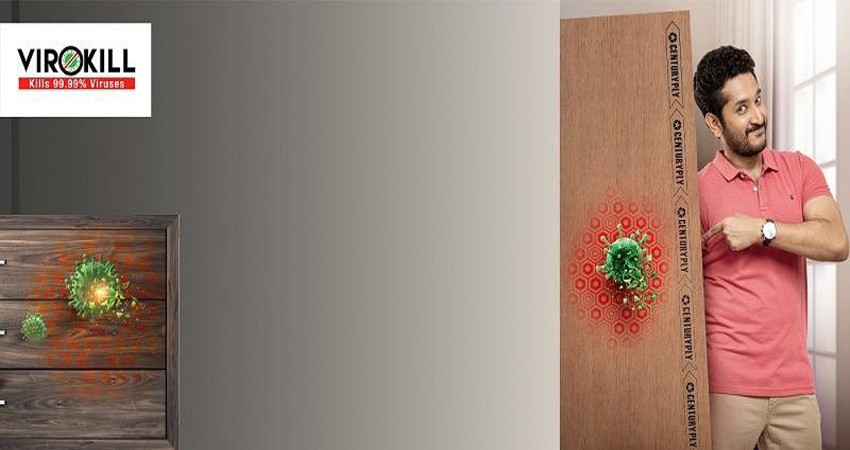
The contemporary homes are evolving with emerging health issues and lifestyles. Families desire areas that are secure at all times of the day. The interior surfaces of a house are subject to constant human contact and environmental exposure. The presence of germs on these surfaces may have a long-term impact on health and comfort. This is where Virokill Technology comes in very handy in the current homes. It helps to maintain a cleaner and safer living environment when used together with strong plywood to furnish the home interiors.
Invisible Surface Risks.
The majority of infections are transmitted by repeated contact with surfaces within living areas. Door panels, storage units, kitchen spaces and wardrobes are touched by humans on a daily basis. Germs can survive on untreated materials for long hours without any notice. This exposure over time raises health issues within the confined living spaces. Virokill Technology surfaces are used to minimise the microbial presence that is hidden. The use of durable plywood on the surfaces of the home with protection enhances the safety of the home in the long run.
The Reason Why Modern Homes Should Have Antiviral Protection.
The design of homes is now centred on comfort, as well as hygiene and durability. Families demand materials that can help them to be well without altering their daily activities. Antiviral surfaces minimise the accumulation of microbes on commonly used surfaces. This assists in preserving a safer indoor living environment in the long run. Virokill Technology operates in the framework of treated panels instead of surface coating. When applied to plywood in the interior of the home, it enhances hygiene and structural reliability.
The role of Antiviral Surfaces in everyday life.
Every day work is associated with contact with furniture panels and storage surfaces. Children, elderly members and working adults come into contact with the same surfaces numerous times a day. Raw materials enable microorganisms to be active over a long duration. This has the potential to affect the health conditions of households gradually without any immediate effects. Virokill Technology panels are constructed to aid in the control of microbial survival by continuous action. These panels are used to protect home furniture when applied to plywood without changing the design aesthetics.
Material Strength Plus Hygiene Together.
Durable construction materials make furniture and interiors last longer when used on a daily basis. Strength is not a solution to invisible hygiene risks within enclosed spaces. A balanced interior solution is achieved through the use of antiviral technology and engineered panels. Virokill Technology is incorporated into the panel structure instead of being an external treatment. This guarantees protection even during the product life cycle. Treated plywood in the interior of the home helps in durability and daily health protection.
The most important areas where antiviral panels are important.
Some home zones are more exposed to human contact and need greater surface protection. Antiviral panels are most effective in high-traffic interior areas. Significant uses are:
- Kitchen cabinets, as well as food storage areas, are where hygiene is a daily necessity.
- Wardrobes and the interiors of drawers are subject to frequent human contact.
- Long hours are spent on study units, as well as work surfaces.
- Bed back panels, as well as side tables, are positioned close to normal human interaction.
- Entryway furniture, as well as storage areas, is in contact with the external environment.
The application of Virokill Technology in such areas enhances safety in day-to-day living activities. The choice of protective plywood as home materials means that every surface will contribute to long-term hygiene.
Long-Term Value for Modern Living Spaces
Homeowners now look beyond visual appeal while selecting interior materials. Health awareness influences furniture and panel decisions across modern households. Antiviral surfaces reduce maintenance concerns related to microbial buildup over time. This supports cleaner living conditions without complex cleaning procedures. Virokill Technology enhances protective performance within structural panels used indoors. When integrated into plywood for home interiors, it offers lasting value through both safety and strength.
Conclusion
Modern living demands surfaces that support both durability and everyday health protection. CenturyPly introduces Virokill Technology within engineered panels designed for contemporary homes. This advanced protection works continuously inside treated plywood for home interiors while maintaining structural strength and long-lasting reliability. Homes built with this technology move closer to safer living environments where comfort and protection exist together.