When you think of textiles you probably think of clothes. You know, like the shirt you wear or the jacket you put on when it gets cold. But Industrial textiles are completely different. They are used in places that you do not see every day. They do work that most people do not even notice. That is what makes them so interesting.
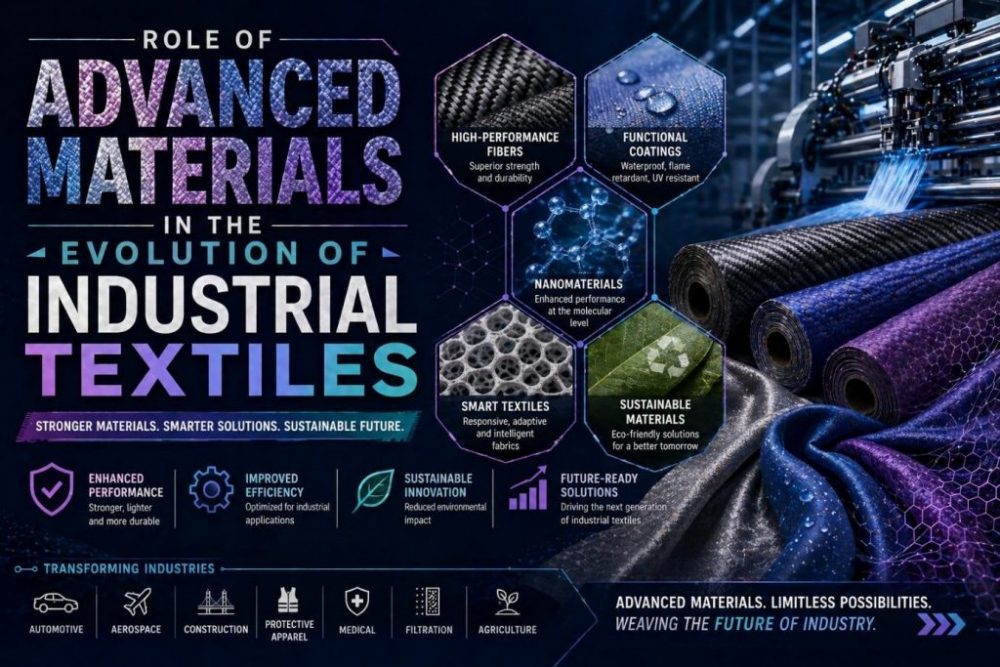
Industrial textiles have changed a lot over the years. They are not just different in how they look but in what they can do. A big reason for this change is the materials used to make them. The fibers and coatings used today are much better than what was available ten years.
From Simple Fabric to Special Material
Industrial textiles used to be simple. They were strong and could be used for packaging or to protect machines. They were made to last and did not have to do many things. That is not true anymore. Today industrial textiles have to be strong which can resist chemicals and handle heat. They even have to change when the environment around them changes. It is not about the fabric anymore but about what it can do.
This change did not happen overnight. It happened because new materials were developed that could do more than materials.
Why Materials Are So Important
When industries need things to work better the materials have to be better. It is not enough for a textile to be strong but it also has to be flexible and lightweight. That is a balance to get right.
New materials like polymers and fibers have made it possible to get that balance right. Materials like aramid fibers and special polyesters are used a lot in industry. They can handle harsh conditions and are very strong.
One material that is very useful is Thermoplastic Polyurethane. It is flexible and can handle being rubbed against things and can withstand environments. You can find it in gear, conveyor belts and even medical textiles.
What makes Thermoplastic Polyurethane special is that it can change shape and still be strong, not something every material can do.
Strength and Flexibility
There has always been a trade-off with materials. Strong materials are often not flexible. Flexible materials are often not strong. New advanced materials are changing that.
Take the fabrics used in construction or transportation. They have to handle wear and tear. They also have to move and adjust without breaking. That is where materials like Thermoplastic Polyurethane are very useful. They make the textile strong without making it stiff or heavy.
It may seem like a thing but it makes a big difference. Equipment lasts longer, maintenance is less frequent and systems work more smoothly overall.
Handling Harsh Environments
Industrial environments are tough. They have temperatures, chemicals and heavy loads. These things can make traditional materials weak over time.
New textiles are being made to handle these conditions. They have fibers that can handle temperatures and coatings that can handle chemicals.
In industries like oil and gas or manufacturing this kind of performance is necessary. It is not optional. Materials like Thermoplastic Polyurethane are very important because they can handle environments without losing flexibility.
Sustainability Is Important
There is also a growing focus on sustainability. Industries are looking for materials that last longer, reduce waste and can be recycled.
This is where the issue comes. High-performance materials are not always easy to recycle. Furthermore, research is being done to make new materials that are sustainable.
It is not perfect yet. It is a step in the right direction. In industries that use a lot of materials even small improvements can make a big difference.
The Quiet Role of Innovation
What is interesting about textiles is how they evolve quietly. You do not see headlines about them often. People do not talk about the fabric inside a machine or the material used in a conveyor system.
These innovations are important. They improve safety, efficiency and reliability across industries. Without them many systems would not work smoothly as they do.
Most of this progress is because of materials. They may not be flashy or visible but they are very important.
Looking Ahead
The future of textiles will likely be shaped by even smarter materials. Materials that can change with the environment, monitor performance and even repair themselves.
It may sound like science fiction. The foundation is already being built. Materials like Thermoplastic Polyurethane are one example of how far things have come.
At the end of the day industrial textiles are not about fabric anymore. They are about performance, adaptability and solving problems in ways that were not possible before.
While most people may not notice them but they are doing a lot of important work than we give them credit for.