There’s something about riding beyond city limits. As the noise fades and the pace slows down, the road feels less like a destination. Long-distance riding doesn’t change your destination, it just changes the way you think. Many riders notice a subtle shift over time. The urge to accelerate hard or cross every corner sharply starts to wane. There’s more focus on consistency and awareness.
ouring on a motorcycle used to be very different.. A variety of aftermarket options were available for motorcycle manufacturers, from fairings to saddlebags. Nowadays, there are plenty of touring bikes that are ready to go straight out of the box. Unfortunately, all this extra equipment, along with added comfort, comes at a higher price..
Why Do Riders Become Calmer on Long-Distance Trips?
It’s easy to mix emotions with adrenaline on short rides. The nervous system stays alert because of traffic, time pressure, and city unpredictability. It’s when the horizon stretches endlessly that the mind adapts.
On a tour:
- The inputs become smoother.
- There’s more deliberate braking.
- Acceleration is controlled, not reactive.
- The attention widens instead of narrowing.
The brain switches from “fight or flight” to undivided attention. It feels like entering a meditative state, with the engine pulse, wind noise, and open landscapes..
Risk perception changes rather quickly when you trade a superbike for a tourer. On a sports machine, the voice in your head says, “Go on, push it.” On a touring bike, it asks, “Is the luggage balanced? How’s the road surface? Are you getting tired?” The goal shifts from thrill to arrival. After a few hundred kilometres, you realise a small mistake late in the day matters far more than one near home. Ironically, the bigger machine often makes you a more sensible rider.
Touring Bikes and the Role of Navigation
A reliable navigation system becomes more than a convenience, especially when covering long distances. It becomes a strategic tool.
Generally, the navigation options fall into four categories:
1. Dedicated Motorcycle GPS Units
These can be considered pretty ancient now. They are designed for riding and have features like vibration resistance, readability in direct sunlight and strong waterproofing (often rated IPX7).
They:
- Do not rely entirely on mobile networks.
- Can be hardwired to the motorcycle.
- Feature glove-friendly interfaces.
- Offer lockable mounts.
For remote touring where signals are weak, dedicated GPS devices remain the most reliable navigation option for motorcyclists.
2. Smartphone-Based Navigation
Apps like Google Maps, Calimoto, and Waze allow flexibility and provide real-time updates. With secure mounts such as Quad Lock, smartphones can function effectively while touring.
However, riders must manage:
- Battery drain
- Screen glare
- Overheating
- Rain protection
3. Smart Display Systems (Apple CarPlay / Android Auto)
Displays like HFK’s 6-inch waterproof screen mirror smartphone apps but are bigger and clearer. These devices bridge the gap between GPS and modern infotainment.
4. Integrated Factory Systems
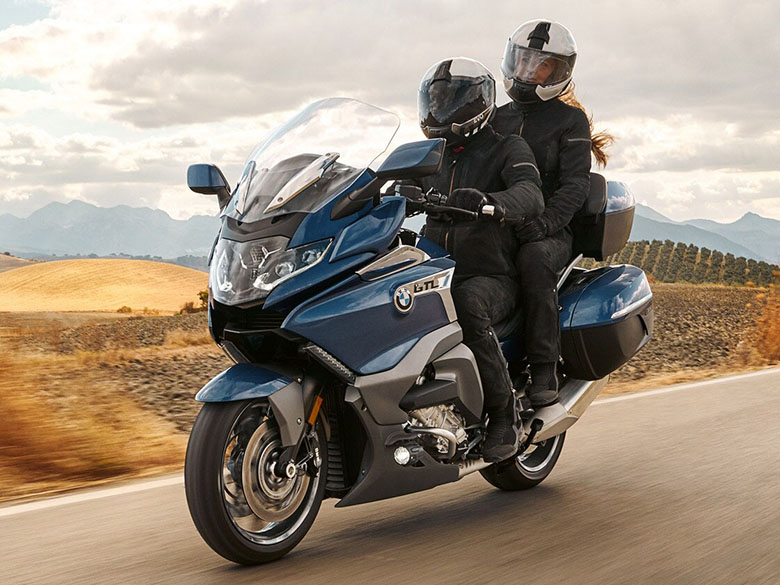
Some touring motorcycles come with built-in navigation displays.. The type of display matters too; you wouldn’t want to strain your eyes to follow the map and crash into some boulder. For instance, the BMW K 1600 GTL has a great display. It needs to connect with the BMW Motorrad Connected App to function.
Do Touring Bikes do well in India?
Yes! But it depends on how and where you plan to ride. India does offer a mix of highways, mountain roads, and varied conditions. This actually suits touring bikes quite well. On long, open highways like those between major cities, these bikes feel stable and comfortable for distance driving. Their relaxed riding posture and strong engines make long hours on the saddle much easier compared to smaller commuter bikes.
However, Indian road conditions are not always predictable. Potholes, broken patches, traffic congestion, and sudden animal obstacles are common. Heavier touring bikes can feel slightly difficult in tight city traffic or narrow roads. That said, many riders still prefer them because of their durability, higher ground clearance, and even the ability to handle rough patches better than low-slung sports bikes. Once you get used to the weight, they become manageable in any condition.
Another big advantage is comfort on long journeys. Touring bikes are designed for exactly that. They usually come with better seats, larger fuel tanks, and you can also carry luggage. Perfect for road trips across states or even cross-country rides. In India, where road trips are becoming more popular, touring bikes are slowly gaining strong appeal.
Are There Any Affordable Touring Options Available?
Not everyone needs a flagship to enjoy serious touring comfort. If the idea of owning a luxury tourer feels a little ambitious, there are sensible alternatives that still deliver. Many mid-range tourers now come with a built-in bike navigation system that pairs neatly with smartphones, so you are less dependent on guesswork. So, if solo Ladakh trips and days on a bike sound appealing, sports bikes are not for you!