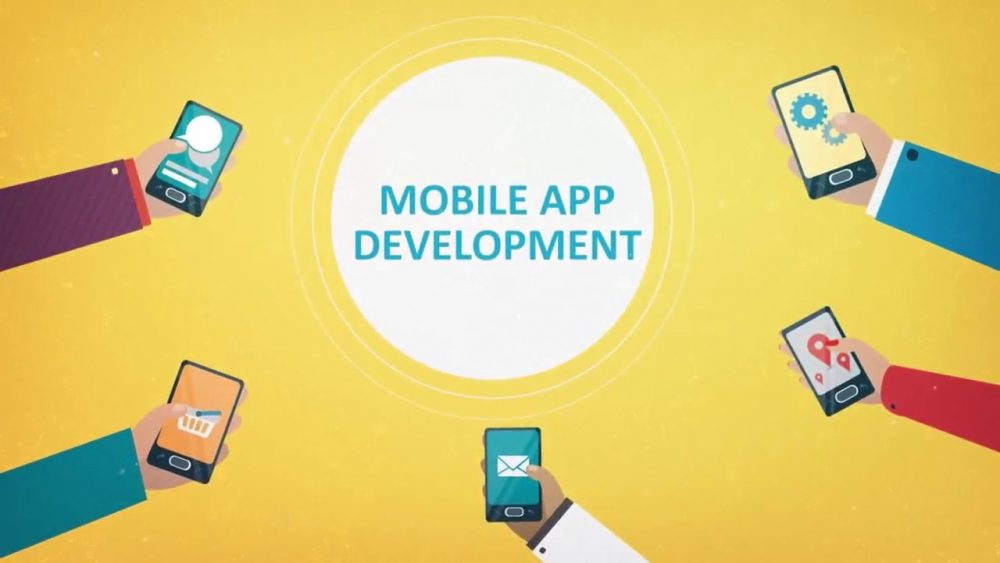
Mobile applications are becoming more integrated into the everyday life of mobile users. With the constant progression of mobile technology, mobile applications are advancing at an incredibly rapid pace and are becoming more complex and varied. Analyzing the most popular app categories of a mobile application store can give us a deeper understanding of the applications people use and therefore the way in which technology is used within everyday life. The categories can reveal which types of applications people use more frequently; social, entertainment, financial and organizational. This classification of apps into categories is valuable to application developers and researchers in order to gain a better understanding of the trends in applications and the behaviour of the users.
Social Media and Communication Apps
Social networking and messaging apps remain some of the most popular applications in the mobile ecosystem. Millions of users around the world rely on a variety of social media apps, such as Facebook, Twitter, and messaging apps such as Line and WhatsApp to communicate with others through text, voice call, and video call as well as to share multimedia content.
The reason social media and social messaging apps exist is because of human need for connectivity and communication. In fact, a lot of the new apps that come out today not only serve the social media aspect, but also image and video sharing, as well as messaging, making them more like a social hub.
Entertainment and Streaming Applications
Today’s media content is changing at a very rapid pace via new and emerging entertainment applications. Many video streaming applications, music applications and gaming applications give the freedom of not only watching, listening or playing media content but also at any time and from any place. In addition to this, mobile entertainment is evolving at a very fast pace with respect to increasing mobile internet speed and enhanced smartphone capabilities.
Mobile Gaming Applications
Mobile gaming allows for a wide variety of games that can range from simple puzzle games to a full blown role-playing game or multi-player game. No longer are gamers needed to sit at a console or PC in order to play games on the move.
Applications are being developed for features like online tournaments, social gaming and real time events. As well as being games, social gaming is fast turning interactive games into platforms for communication with other gamers.
Productivity and Organisation Apps
Productivity apps include note taking apps, project management apps, to-do list apps, organization apps and meeting apps. With the shift to remote work and digital collaboration, these types of digital workplace apps are becoming increasingly popular.
Productivity apps with artificial intelligence and automation technology are becoming more popular. This category of apps utilises applications such as scheduling apps, voice-to-text apps, document sharing apps, and many more, in order to help people work and manage their schedules more efficiently. With the migration to digital workplaces, this app category is set to continue growing.
Technology and Device Management Apps
Tech apps are basically programs and applications that are used by users to manage and customise their device. Some examples of such tech apps include system apps that enhance the device performance, file apps that help in managing and sharing files on the device and hardware apps that manage the hardware of the device such as RAM, ROM, Sensors, Battery, etc.
This app also includes some information related to the technology of vaping devices as well as consumer grade electronics for a user controlled Open Pod System. After going through a large variety of tech apps, it is discovered that some apps have educational value regarding consumer electronics.
Health and Wellness Applications
Fitness apps allow users to track many aspects of their wellbeing such as amount of exercise done, amount of sleep they get, the amount and quality of food eaten, and even meditation. Many of today’s fitness apps will also connect to the user’s smartwatch and other wearable devices to allow the user to gain the most information possible about their wellbeing.
Most health apps will give you some kind of feedback and show your progress as you build new habits. With mHealth being a very visual way of working with behaviour, it’s not hard to see why it has a place in improving health and wellbeing.
Educational and Learning Platforms
With the help of educational apps, it has become easy to learn new things outside the class room. With language learning apps, digital text books and learning apps for various skills, it is very easy to learn new things while on the move. So, in short mobile learning is the method which helps in increasing knowledge for the students as well as working professionals. These learning apps use methods that involve quizzes, simulations and gamified lessons. The use of interactive learning methods in the apps, retains knowledge in the students and they do not get bored as well.
E-Commerce and Shopping Applications
Today, not only can you key in the product that you wish to buy, and read a myriad of reviews on the product but also compare the various shops selling it and buy it instantly! Many apps for mobiles have also made payments online possible from their application. They also enable the buyer to keep track of his order.
Every now and again we hear about the methods that E-commerce apps use their data, such as the browsing history and preferences to try to sell you more relevant products. It really is a form of personalisation. In addition to the main search, sometimes apps allow us to search by niche and sometimes these products are exclusive to the app, including some quite niche products such as e liquids such as Fantasi Shortfill.
Finance and Mobile Banking Apps
The use of FinTech has definitely made life and things so much easier. Many individuals currently make use of mobile banking applications in order to access information as well as to perform transactions such as transferring money to another individual’s bank account or paying for certain bills.
These types of apps help users create budgets, track their spending and work towards their financial goals. Digital wallets and contactless payments are also included in some finance apps. As technology within the banking sector continues to develop, these apps are set to remain a popular means of managing users’ finances.
Lifestyle and Consumer Interest Apps
App development in the field of Lifestyle is all about fashion, travel, entertainment and all other aspects of hobbies and interests. Generally, an application in this sector provides a collection of resources for various activities. It serves as a meeting ground for enthusiasts, educates users in order to promote the awareness of a product or trend, provides offers, special deals or access to expert advice.
One example is that some of the informative apps we have seen reveal and explain in detail modern alternatives to cigarettes and give an overview of the legislation surrounding products such as e liquids and Nicotine Pouches in various countries. These types of apps do not really market the subject matter they give information about.
Travel and Navigation Apps
Navigation and travel apps are often used in so many different situations. Navigation apps are programs used in modern technology to assist people in navigating from one point to another by giving them turn by turn navigation in addition to real time traffic updates and information about alternative routes when traveling by car or on foot.
There are also a huge amount of apps available for travel, helping to arrange and book everything from flights to hotels and accommodation to airport transfers. There are also a lot of location-based apps that offer recommendations for restaurants, points of interest and experiences. These are great apps that cater to the modern traveler.
Conclusion
The Apps program of study gives students an understanding of the different ways in which mobile technology supports contemporary life. From communication to social media, to apps for banking, fitness, games and other forms of entertainment, there are a plethora of apps available for almost every aspect of contemporary life. Learning about the different types of apps allows us to gain insight into the needs of society for each type of app and therefore can give students a profound understanding of the different categories of apps available to us and a unique understanding of contemporary practices and trends of mobile technology use and therefore can offer a snapshot into the social and cultural issues in a hyperconnect world.