Businesses today depend on a vast array of technologies that support their core functions. Equally critical are technologies that support business functionality such as communication, data processing and storage, software, and systems. These technologies require systems that maintain each business’s processes. Yet, most businesses depend on reactive IT support. The most significant shortcomings of this approach are its business operational downtime, lost productivity, and increased costs.
The growing reliance of businesses on technology makes a strong case for the increasing demand for proactive IT support. The break-fix approach focuses on resolving business operational downtimes. In this approach, the IT support needs are defined by problems such as a loss of functionality or operational capability, as in the case of lost or dysfunctional network connectivity.
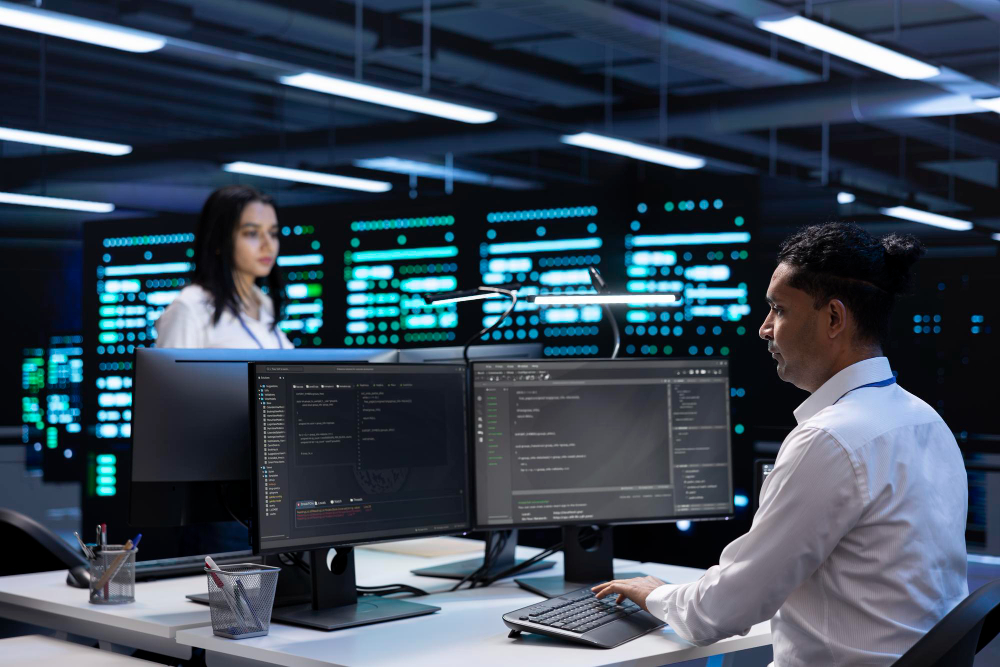
Proactive IT support is a different game which focuses on prevention instead of repair. We see that instead of waiting for systems to go down, IT teams are into constant monitoring of networks, servers and devices to pin point potential issues before they turn into big problems. This approach is what allows businesses to have stable operations and also sees a great reduction in the incidence of technical failures out of the blue.
The Key Advantages of Proactive IT Support
Proactive IT support gives businesses continuous monitoring, regular system maintenance, and early identification of issues before they become problems. We see this as a way to keep technology systems secure, optimized and fully function at all time. Also, it includes:
- Continuous monitoring of servers, networks, and devices
- Early detection of performance issues or system vulnerabilities
- Regular software updates and security patch management
- Reduced system downtime and improved productivity
- Better long-term planning for IT infrastructure improvements
IT experts are able to address concerns before they worsen and lead to disruptions in operations. Advanced monitoring technology that evaluate system performance in real time are available to companies that use managed IT support services Columbus. These technologies identify and report system abnormalities to technicians prior to an issue originating. This radically optimizes the IT ecosystem and addresses concerns before they worsen and lead to disruptions in operations. It provides staff/ customer tech stability during operational of the business.
Reduced Downtime and Higher Productivity
In terms of business continuity Proactive and Reactive IT support have very different results. In reactive support we see that out of the blue system failures which in turn causes employees to drop what they are doing to wait for tech support. This in turn delays projects, breaks down lines of communication, and we see lost revenue. Proactive support on the other hand is a different story.
We see constant watchful eye over IT systems. Routine tasks like system optimization, security updates, and hardware checkups are performed which in turn keep systems running very well. Also, by the time issues do come up they are taken care of before they get worse which in turn keeps productivity at a high and we see that our services to the customer are always what they should be.
Stronger Security and Risk Prevention
Cy today’s issue is that security issues affect all size of businesses. We see data breaches, malware attacks, and unauthorized access which cause great financial and reputational damage. Reactive IT support may fix security issues after an attack but at this point the damage may be done.
Proactive IT support features in continuous security monitoring, regular vulnerability assessments, and timely software updates. Such practices put in place the first line of defense against new cyber threats. Also, by early detection of suspicious activity IT teams are able to react in time which in turn prevents security breaks in before they go after sensitive data.
Access to Fast Technical Assistance
Despite preventative monitoring, some technical issues may need immediate attention. Proactive IT service providers are positioned to address these issues, as they understand the organization’s systems allowing for quicker troubleshooting and resolution compared to reactive providers who may be unfamiliar and need time to assess the environment.
When problems involve physical equipment, businesses can depend on field IT support Columbus professionals to provide on-site support. This guarantees a fast and professional approach to addressing hardware issues, network installations, or system upgrades.
Conclusion
With technology becoming integral to the everyday functioning of all businesses, solidifying the need for IT support. While reactive IT support can address IT issues after they occur, they do not address the underlying issues that may lead to repeat problems or provide long-standing vulnerabilities for the systems. Proactive IT support is a much better IT support model because it focuses on preventative solutions, active monitoring, and tactical system organization. These efforts lead to decreased downtimes, strengthened cyber protection, and an increase stability and usability of tech systems. Proactive IT support is an IT support model that is a better use of a business’s resources. Productivity, protection of digital assets, and the creation on an adaptable technology ecosystem to encourage the long-term prosperity of the business are all results of an investment on a proactive IT support model.