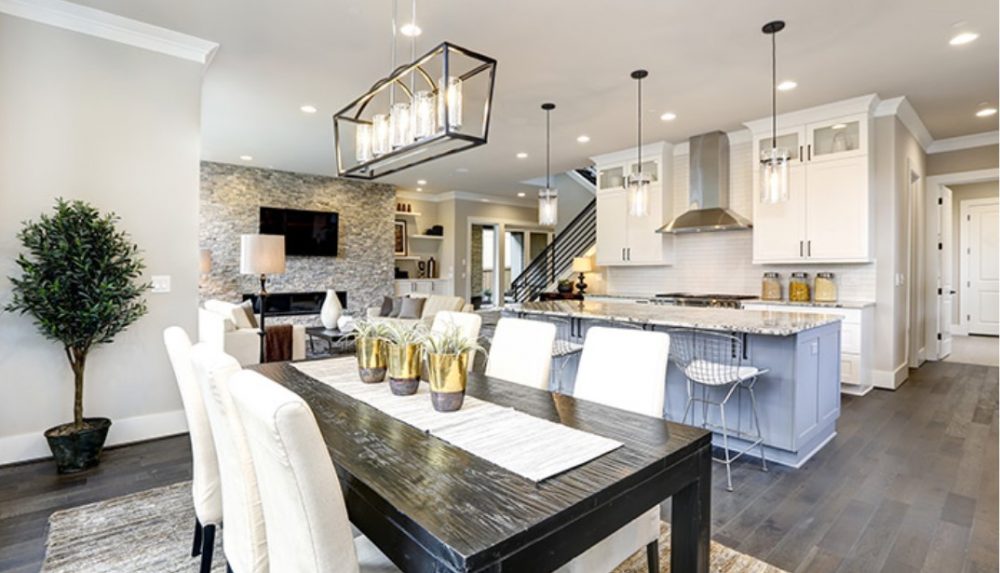
Designing a kitchen or bathroom is a practical task. It needs careful attention because these are areas that handle the most moisture every day. Regular boards or materials often swell or get damaged after a few months of daily use. That is why professionals now look for better material choices during the first phase of the project. Many have now started choosing club prime plywood to manage this requirement. This choice helps in maintaining stability across a longer period.
A Kitchen Demands Material Strength
Every kitchen faces heat from cooking. The cabinets face repeated steam and smoke. Storage zones need solid support. Overhead units must hold weight without changing shape. Counter areas face regular splashes from the sink. These factors make it necessary to use a grade of material that can perform every day without breaking or losing form. Club prime plywood is now one of the preferred options in such cases.
The reason is very simple. This plywood can take heavy loads. It stays in shape even when the temperature in the kitchen goes high. It does not show signs of warping or edge bending. This is important when cabinets remain shut for long hours in a closed space. Plywood for kitchen must stay dry from the inside. ClubPrime works well in these situations because the core layer is treated well to resist moisture.
Moisture Control in Bathrooms
Bathrooms are high-exposure spaces. From shower steam to water leaks, many issues can spoil surface furniture. That is why designers today need a type of material that can handle long-term moisture exposure. Regular boards may not last. After a year, signs of swelling and corner damage start to show. This can ruin the overall look of the area. It can also result in hygiene issues.
Club prime plywood stays a step ahead. It has better strength at the fibre level. The bonding inside the layers prevents water from settling into the surface. This plywood gives solid base support to create vanities, sink boards, and tall cabinets in bathroom layouts. When applied correctly, it also helps in avoiding fungal problems that rise in moist wooden surfaces. Plywood for kitchen and bathroom must hold up across different seasons. That is why ClubPrime continues to be used in these two rooms the most.
Best Use Areas Inside a Kitchen
There are five major places where club prime plywood helps in improving both function and style in a kitchen.
- Main cooking platform shutters that open and close multiple times a day.
- Overhead cabinets that hold heavy glass jars or tins.
- Drawer units where cutlery, rolling pins, and utensils are stored.
- Built-in chimney coverings where heat and fumes rise directly.
- Corner shelves and side boards that often get ignored during cleaning.
Each of these sections requires panels that hold weight and do not crack at the joints. Plywood for kitchen has to pass this test over time. That is why ClubPrime fits well in this setting.
Bathroom Use Cases That Show Long-Term Value
There are four major bathroom elements where club prime plywood proves useful.
- Under-sink vanities that face pipe drips or wet hands every day.
- Wall-mounted storage cabinets where damp towels or soaps are placed.
- Partition boards between dry and wet zones of the bathroom.
- Tall mirror panels fixed with hidden storage behind.
All of these need a strong frame that does not absorb moisture. Most home interiors get redone within seven to ten years. But bathroom panels made with ClubPrime often show longer service life with low repairs.
Why Workmanship Improves with ClubPrime
One major challenge in wet areas is finishing. When a carpenter cuts regular plywood, edge chipping or cracks often appear. That can affect the final polish or laminate work. With club prime plywood, the grip across layers is much tighter. That means edges stay smooth even after heavy cutting. This helps in keeping sharp corners aligned. Doors close better. Joints hold longer. Screws stay tighter. Surface finish stays even.
For bathroom fittings, this control plays a big role. Clean finishes create a better user experience. Even when there is frequent use, the fittings do not lose shape or tilt. That makes club prime plywood a go-to choice for high-use bathrooms as well.
When Wet Zones and Cooking Zones Meet
In many studio homes, kitchen and bathroom areas lie close to each other. Some even share the same wall. This increases the risk of water leakage from one room to another. If the wall unit in one room fails, the problem carries over into the next room. That is why some home owners now plan these two spaces together. The smart approach is to use the same grade of plywood for kitchen and bathroom fittings.
ClubPrime helps with that standardisation. The quality stays the same across both areas. Designers and builders do not need to look for separate materials. This saves effort during purchase. It also reduces fitting time.
ClubPrime Supports Long-Term Planning
When a kitchen is to last ten years the material used should be able to match the time. When a family of five has a bathroom installed, it has to consider the daily use. The human use is not the only cause of wear and tear. Climate changes and water cycles are also its sources. The use of club prime plywood in the two areas will assist in controlling these changes without creating an additional cost of repair in the future.
Final Thoughts
For designers and families planning long-lasting spaces, ClubPrime offers a stable and moisture-resistant option. When used as plywood for kitchen or bathroom storage, it improves both form and function without compromise. That is why many people continue to choose club prime plywood for the two most used spaces in a home. The quality it brings speaks for itself, one cabinet at a time.
ClubPrime Plywood by CenturyPly remains a trusted name when performance matters in kitchen and bathroom interiors.