Flooding is the most destructive natural hazard affecting homes, businesses, and communities. Heavy rainfall, storm surges, overflowing rivers, and inadequate drainage systems contribute to flood events that cause property damage and financial loss. As weather patterns become unpredictable, property owners are looking for effective flood solutions to minimise risks and improve resilience.\
Preventing floods is not about controlling water flow. It is a blend of methods to control, redirect, hold or block water before hitting risk areas. By properly understanding what works best in such conditions, property owners can make smart choices to protect their property and lessen future flood damage.
Below are four key ways of preventing flooding and how they contribute to comprehensive flood protection.
1. Installing Flood Barriers and Physical Protection Systems
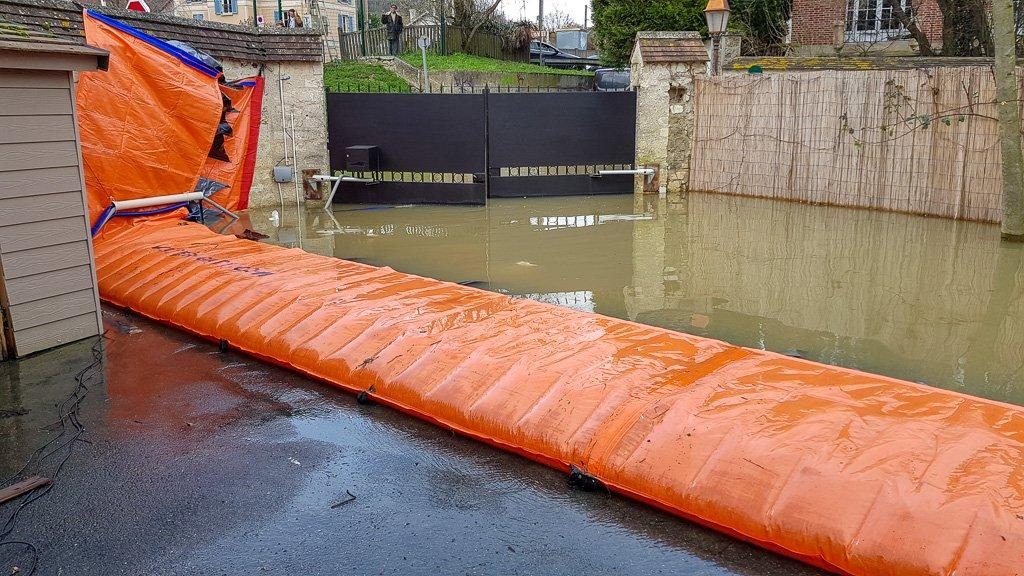
The best way to handle flooding is to use physical barriers that keep water out of properties. These systems create a shield around buildings, roads, and neighbourhoods when floods happen.
Different types of flood barriers include temporary, removable, passive and automatic barriers. Property owners can select the suitable one based on their flood risk. Temporary barriers are for emergencies, while permanent setups offer steady protection against repeat flooding.
Physical flood protection systems can help:
- Block rising water from entering buildings.
- Protect doors, garages, and access points.
- Reduce damage to commercial and residential properties.
- Improve business continuity during severe weather events.
Many property owners explore Flood Prevention Solutions when developing long-term flood management strategies. These systems can be integrated into broader flood resilience plans to provide dependable protection against water intrusion.
Modern flood mitigation measures have evolved beyond traditional sandbags. Today’s engineered systems offer faster deployment, stronger performance, and greater reliability, making them a valuable investment for flood-prone locations.
2. Improving Drainage and Water Management Systems
Effective drainage plays a crucial role in preventing flooding. Even moderate rainfall can cause water accumulation if stormwater systems are unable to handle the volume.
Drainage improvements are among the most practical flood solutions because they help manage water before it becomes a threat. Properly designed drainage networks direct excess water away from buildings and critical infrastructure, reducing the likelihood of surface flooding.
Some common drainage improvements include:
- Upgrading stormwater pipes and culverts.
- Installing retention and detention basins.
- Creating swales and drainage channels.
- Maintaining gutters and downpipes.
- Using sump pumps to remove accumulated water.
Water management systems work by controlling the flow of water throughout a property. By ensuring that rainfall is collected and redirected, property owners can reduce the risk of flood damage.
In addition to drainage upgrades, ancillary products such as non-return valves (NRVs) can help prevent sewer backflow during flood events. These devices stop contaminated water from flowing back into buildings, adding another layer of protection to an overall flood risk management strategy.
3. Implementing Flood-Proofing Measures
Flood-proofing focuses on making buildings more resistant to water damage. Rather than only relying on external barriers, this approach strengthens the structure itself and helps minimise the impact of floodwater if it reaches the property.
Flood-proofing is divided into two categories:
Wet Flood-Proofing
Wet flood-proofing allows water to enter designated areas of a building while minimising structural damage. This method is commonly used in areas where occasional flooding is expected and unavoidable.
Examples include:
- Installing flood-resistant building materials.
- Using smart vents that allow water to flow through safely.
- Designing lower levels to withstand temporary inundation.
Dry Flood-Proofing
Dry flood-proofing aims to keep water entirely outside the building. This strategy involves sealing walls, doors, and openings to prevent water penetration.
Common dry flood-proofing measures include:
- Flood-resistant doors and windows.
- Waterproof coatings and sealants.
- Protective wall systems.
- Raised entry points.
Many modern flood solutions combine wet and dry flood-proofing techniques to achieve maximum effectiveness. These measures reduce repair costs and improve recovery times after flood events.
Property-level protection systems are a good, cost-effective choice for homeowners and businesses looking to better handle slow-rising floodwaters.
4. Adopting Flood Risk Assessment and Planning
Prevention begins with understanding the level of risk. Flood risk assessment is the most important yet overlooked flood solution available to property owners and organisations.
A comprehensive assessment identifies potential vulnerabilities and evaluates how floodwater may impact a specific location. This information allows property owners to implement targeted measures that address their unique flood exposure.
Effective flood planning involves:
- Evaluating historical flood data.
- Identifying flood pathways and vulnerable areas.
- Assessing building elevations.
- Reviewing drainage capacity.
- Developing emergency response procedures.
Professional flood consultants recommend a combination of structural and non-structural mitigation measures based on the assessment findings.
For example, a property located near a river may benefit from permanent protection systems, while a commercial facility in an urban environment may require enhanced drainage and flood-proofing measures. Tailoring strategies to site-specific conditions ensures resources are used efficiently and protection levels are optimised.
Planning also enables organisations to prepare for future climate challenges. As flood risks evolve, proactive flood management strategies can help reduce long-term exposure and support sustainable development.
Why Integrated Flood Protection Is Important
No single method can completely eliminate flood risk. The most successful flood prevention strategies combine multiple approaches to create a comprehensive defence system.
For instance, a property may use improved drainage systems to manage everyday rainfall while relying on physical protection systems during major flood events. At the same time, flood-proofing measures can reduce internal damage if water breaches external defences.
Many property owners researching Flood Barriers discover that these systems work best when supported by broader flood resilience measures. Likewise, implementing a Flood Control Barrier can provide additional protection when integrated into a complete flood management plan.
Combining structural protection, water management infrastructure, risk assessment, and emergency preparedness creates a robust defence against flooding and enhances overall community resilience.
The Future of Flood Prevention
Advancements in flood protection technology improve the effectiveness of modern flood solutions. Automated barriers, smart monitoring systems, water diversion technologies, and innovative flood-resistant construction methods are helping communities better prepare for extreme weather events.
As climate change leads to more frequent and severe flooding in many areas, taking early action on flood protection is more important than ever. Governments, companies, and homeowners are seeing the benefits of combined flood management approaches that lower risks and help keep people and property safe.
By using a mix of flood barriers, better drainage, flood-proofing methods, and smart planning, property owners can lower their flood risk and bounce back more easily from future events.
Conclusion
There are four basic approaches for flood prevention, and it includes putting up physical barriers, upgrading drainage, making buildings more flood-resistant, and doing detailed risk assessments. These methods help keep water out, protect what matters, and build long-term strength against flooding, if you use it in combined form.
Spending some amount over reliable flood protection solutions can help avoid expensive damage later on. Whether you are trying to safeguard one building, a whole neighbourhood, a flood prevention plan is always the best way to decrease the effects of bad climate and protect against future flood risks.