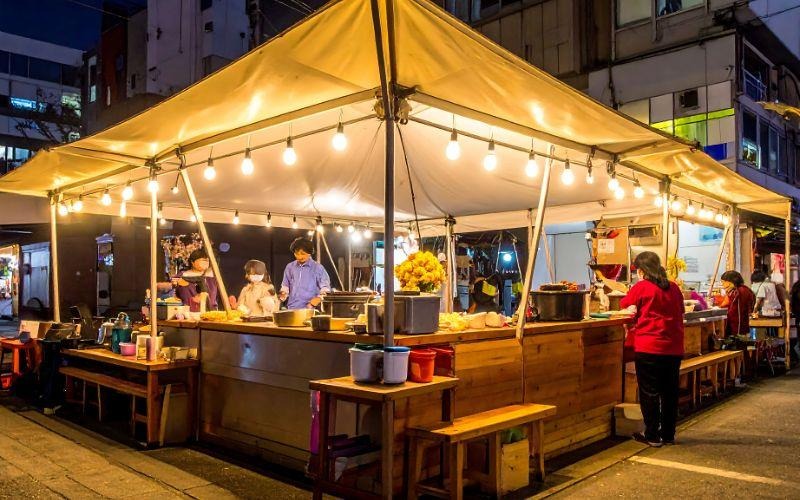
If you’re planning Zagreb city and Slovenia countryside tours and thinking mainly about cobbled streets, cathedral views, and easy train connections, don’t overlook the food. Zagreb doesn’t shout about its cuisine. It’s not coastal Croatia with seafood platters and beachside grills. It’s inland. Central European. Hearty. But surprisingly refined in places.
Zagreb’s food scene sits somewhere between Vienna, Budapest, and the Adriatic coast. You’ll find schnitzel and strudel alongside fresh market vegetables and modern wine bars. The key is knowing where to look — and when to sit down.
I’ve eaten in Upper Town taverns, modern bistros in the Lower Town, and stood at Dolac Market early in the morning watching vendors arrange their produce. Here’s how to eat well in Zagreb without falling into the obvious tourist traps.
Start at Dolac Market
Before you make a restaurant reservation, go to Dolac.
It’s Zagreb’s central market, just steps from Ban Jelačić Square. Red umbrellas. Local farmers. Fresh cheese, sausages, seasonal fruit, jars of honey.
Most people pass through quickly, take a photo, and leave. Slow down.
I once bought a wedge of fresh sir (local cheese) and a small bag of cherries, then sat on a bench nearby for a simple breakfast. No table service. No bill. Just ingredients.
This is where trips often go wrong: travelers only eat in restaurants and miss the daily food culture. Dolac tells you what’s in season. That matters.
Štrukli: Zagreb’s Signature Dish
If there’s one dish you need to try in Zagreb, it’s štrukli.
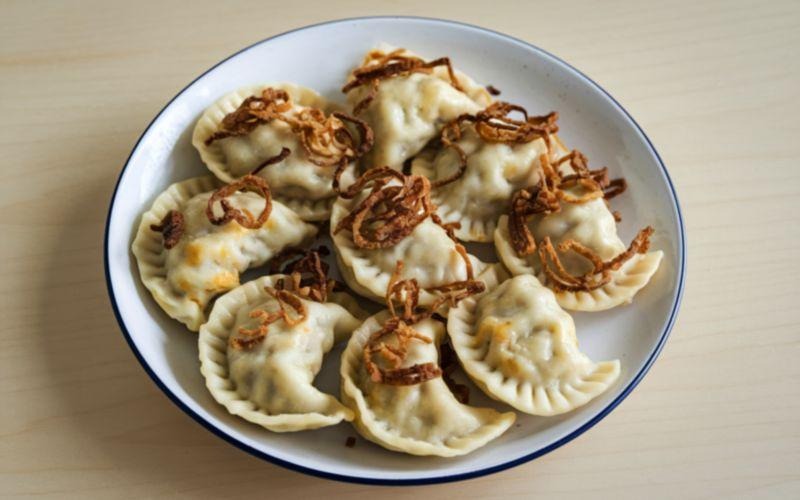
It’s a baked or boiled pastry filled with fresh cheese and cream. Comforting. Soft. Slightly tangy.
You’ll find it in traditional restaurants around Upper Town. Some versions are simple and rustic. Others are refined and beautifully plated.
I had my first proper štrukli in a small restaurant near St. Mark’s Church. It arrived bubbling hot in a ceramic dish. Simple. Filling. Exactly right for a cool afternoon.
Order it as a main if you’re hungry. As a starter if you’re pacing yourself.
Zagreb’s Schnitzel and Central European Influence
Zagreb was historically tied to the Austro-Hungarian Empire, and you’ll feel it in the food.
Wiener schnitzel-style cutlets are common. So are stews, dumplings, and cabbage-based dishes.
Don’t dismiss these as “generic.” When done well, they’re excellent.
In a Lower Town restaurant, I ordered a veal schnitzel with potato salad and a glass of local white wine. It felt like Vienna, but slightly less formal. More relaxed.
This isn’t flashy cuisine. It’s about comfort and quality ingredients.
Peka and Slow-Cooked Dishes
While more common along the coast, you’ll sometimes find peka-style dishes in Zagreb — meat and vegetables slow-cooked under a bell-shaped lid.
If it’s on the menu and you’re with a group, consider ordering it. It usually needs advance notice.
This is not fast food. It’s slow, shared, and meant to stretch over conversation.
Street Food and Casual Bites
Zagreb isn’t famous for street food in the same way as some capitals, but you’ll find casual options worth trying.
Burek — flaky pastry filled with meat or cheese — is widely available in bakeries. Perfect for a quick lunch.
I once grabbed a cheese burek from a bakery near the train station before catching a tram. Greasy? Slightly. Worth it? Definitely.
There’s also a growing burger and craft beer scene, especially in the Lower Town. Modern, casual, and lively in the evenings.
Seafood? Yes, But Choose Carefully
Zagreb is inland, but seafood appears on many menus thanks to Croatia’s coastline.
Here’s my honest advice: if you want truly fresh seafood, eat it on the coast. In Zagreb, stick mostly to inland specialties.
That said, some upscale restaurants do import high-quality fish daily. If you’re in a refined setting as part of curated Zagreb city and Slovenia countryside tours, ask your server what arrived fresh that morning.
Otherwise, lean into the local strengths.
Desserts: Cakes and Coffee Culture
Zagreb has a strong café culture.
Sit at a café on Tkalčićeva Street or near Zrinjevac Park. Order coffee. Stay awhile.
Croatian cakes reflect Central European tradition — layered tortes, cream slices (kremšnita), apple strudel.
One rainy afternoon, I ducked into a small pastry shop and ordered a slice of chocolate walnut cake. Dense. Not overly sweet. Perfect with espresso.
Most travelers rush from attraction to attraction. Zagreb works better when you pause for coffee.
Wine and Rakija
Croatia produces excellent wine, and Zagreb restaurants often highlight regional varieties.
Try a crisp white from Slavonia or a fuller red from inland regions.
Rakija — fruit brandy — is commonly offered after meals. Plum, pear, herbal varieties. Strong. Sip slowly.
If a host offers homemade rakija, accept at least a small glass. It’s part of the hospitality.
A Few Practical Observations
Reservations are smart for popular restaurants on weekends.
Lunch menus (gablec) offer affordable daily specials — a good way to try traditional dishes without committing to a large dinner.
Service is professional but not overly attentive. Don’t expect constant check-ins.
And yes, prices in Zagreb are generally lower than Western Europe but rising steadily. Quality usually reflects the price.
Most importantly, avoid restaurants with multilingual menus and aggressive hosts in the busiest tourist areas. Walk a street or two away.
Final Thoughts
Zagreb’s food scene is understated. It doesn’t try to impress you with spectacle. It rewards patience.
Start at Dolac Market. Try štrukli. Order schnitzel without apology. Grab a burek on the go. Sit for coffee longer than you planned. Taste local wine.
If you’re building your itinerary — whether independently or through Zagreb city and Slovenia countryside tours — give yourself time to eat without rushing.
Zagreb isn’t about dramatic coastal views or flashy dining experiences. It’s about comfort, rhythm, and everyday quality.
And once you settle into that pace, the city makes much more sense.
FAQs About Food in Zagreb
1. What is the must-try dish in Zagreb?
Štrukli is the city’s most iconic dish and worth trying in at least one traditional restaurant.
2. Is Zagreb good for vegetarians?
Yes, increasingly so. Many restaurants offer vegetarian options, and markets provide fresh produce and cheeses.
3. Is seafood good in Zagreb?
It’s available, but the freshest seafood is found on Croatia’s coast. In Zagreb, focus more on inland specialties.
4. Are reservations necessary?
For popular restaurants, especially on weekends, reservations are recommended.
5. Is tap water safe to drink?
Yes, tap water in Zagreb is safe and high quality.
6. What’s the best area for dining?
Lower Town offers a wide range of modern restaurants and cafés. Upper Town has more traditional spots.
7. What’s the biggest dining mistake travelers make?
Eating only in the busiest tourist streets and not exploring local neighborhoods or the central market for a fuller picture of Zagreb’s food culture.