Vienna doesn’t show off its food scene loudly. It doesn’t need to. Meals here are woven into daily life—slow lunches, proper coffee breaks, dinners that stretch longer than planned. If you rush it, Vienna will feel stiff. If you eat like locals do, it opens up.
I’ve eaten my way through Vienna enough times to know this: the classics matter, but where you eat them matters more. And most visitors get at least one thing wrong—either sticking only to famous spots or avoiding them entirely. The sweet spot is in between.
This guide is about what’s actually worth eating, where to try it, and a few quiet mistakes to avoid. Not a history lesson. Just honest food advice from the ground.
Vienna – how the city eats
Vienna eats on a schedule. Lunch is serious. Dinner is calmer. Coffee breaks are sacred. Restaurants don’t rush you, but they also won’t bend too much around tourist habits.
One thing to know early: Viennese food is richer than many expect. Butter, cream, bread, meat. Balance your days or you’ll feel heavy by day three. This is where trips often go wrong.
Wiener Schnitzel – simple food, easy to mess up
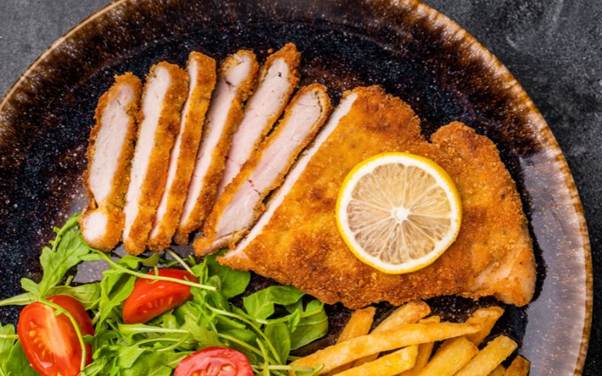
Yes, you should eat Wiener Schnitzel. No, you shouldn’t eat it just anywhere.
The real version is veal, thin, properly breaded, fried in clarified butter, and served without sauce. Lemon only. Anything else is a variation, not a crime, but don’t confuse the two.
Where to try it:
- Figlmüller (Wollzeile) – Famous, crowded, still excellent. Go early or late.
- Gasthaus Pöschl – Smaller portions, calmer room, more local feel.
- Meissl & Schadn – Classic technique, elegant but not stiff.
Most people miss this detail: schnitzel is usually lunch food for locals. Eating it mid-day feels more natural than ordering it late at night.
Tafelspitz – Vienna’s quieter obsession
Tafelspitz doesn’t photograph well. It doesn’t try to impress. But when done right, it’s deeply comforting.
Boiled beef, clear broth, root vegetables, apple-horseradish, chives. It sounds plain. It isn’t.
Where it shines:
- Plachutta (Wollzeile or Innenstadt) – The benchmark. Touristy? Yes. Still worth it.
- Zum Schwarzen Kameel – Slightly more modern, very consistent.
A small warning: portions are generous, and it’s slow food. Don’t plan anything rushed afterward.
Viennese pastries – not just dessert, but a habit
People think of pastries as an afterthought. In Vienna, they’re a daily ritual.
Sachertorte gets the attention, but locals rotate through dozens of cakes. The balance is less sweet than expected. Texture matters more than sugar.
Where to go:
- Café Central – Grand, busy, still magical if you go early.
- Café Sperl – Less polished, more lived-in.
- Demel – Beautiful display, lighter cakes, slightly pricier.
Real-life tip: order one cake, not three. Viennese portions don’t need sampling platters.
Coffee culture – don’t rush it
Vienna’s coffeehouses aren’t about caffeine efficiency. They’re about time.
Order a Verlängerter or Melange. Sit. Read. Watch. No one expects you to leave quickly, and no one will hover.
Avoid places advertising “to go” culture heavily. That’s not the point here.
Most people miss this: coffeehouses are best mid-morning or mid-afternoon. Not first thing. Not late night.
Sausages and street food – yes, it counts
Between meals, Vienna snacks well.
Würstelstände (sausage stands) are everywhere, and they’re part of real life, not tourist filler. Käsekrainer (cheese sausage) after a late evening walk makes sense here.
Good areas to try:
- Near Albertina or Prater
- Busy residential streets, not just main squares
This is where trips often go wrong: people skip street food thinking it’s low quality. In Vienna, it’s often the opposite.
Modern Austrian dining – quieter than Berlin, more refined than expected
Vienna doesn’t shout about its modern food scene, but it exists.
Young chefs work with local produce, lighter techniques, and less nostalgia. You’ll find tasting menus that feel thoughtful rather than theatrical.
Look for:
- Seasonal menus
- Smaller dining rooms
- Short wine lists focused on Austria
This side of Vienna pairs naturally with Vienna luxury holiday experiences, especially if you’re planning evenings that feel special without being showy.
Markets – go small, not famous
Naschmarkt gets the headlines. It’s fine. But it’s busy and uneven.
Smaller neighborhood markets are better for casual bites, fresh bread, and feeling local rhythms. Go late morning. Talk to vendors. Don’t rush.
Most people miss how good the bread is here. It deserves attention.
Wine and heuriger culture – worth leaving the center
Vienna is one of the few capitals with vineyards inside the city.
Heuriger wine taverns serve young wine, cold dishes, and relaxed evenings. This is real Viennese social life.
Head toward:
- Grinzing
- Neustift am Walde
Go hungry. Eat simply. Stay longer than planned.
Final thoughts
Vienna’s food scene rewards patience and restraint. Eat fewer dishes, but better ones. Respect local rhythms. Don’t over-schedule meals.
If your idea of Vienna luxury holiday experiences includes quiet confidence rather than flash, this city delivers—especially at the table.
Eat well, sit longer, and let Vienna come to you.
FAQs
1. Is Viennese food very heavy?
It can be. Balance rich meals with lighter lunches, soups, and pastries instead of full dinners every night.
2. Do I need reservations for classic restaurants?
Yes, especially for schnitzel and Tafelspitz spots. Book a day or two ahead.
3. Is tipping expected in Vienna?
Yes, but modestly. Rounding up or adding 5–10% is normal.
4. Are vegetarian options common?
More than before, especially in modern restaurants. Traditional places are still meat-focused.
5. Can I eat well without spending a lot?
Absolutely. Bakeries, sausage stands, lunch menus, and markets keep costs reasonable.
6. Is Naschmarkt worth visiting?
Once, early in the day. Don’t make it your main food stop.
7. What’s the biggest food mistake visitors make?
Trying to eat too much too fast. Vienna rewards slow eating.