The UK doesn’t try to impress you with food at first glance. That’s part of the problem—and part of the charm. If you arrive expecting dramatic flavors on every plate, you might miss what’s actually happening. British food rewards attention, timing, and knowing where you are. Eat the wrong thing in the wrong place and you’ll confirm every lazy stereotype. Eat well, and you’ll wonder why people still joke about it.
I’ve watched travelers rush from landmark to landmark, grabbing meals wherever was closest, then complain that the food was “fine.” That’s usually user error. Whether you’re traveling independently or folding food experiences into broader routes like London Scotland Wales tour packages, eating well in the UK is about context, not chasing icons.
This guide focuses on what to eat, where it makes sense, and where trips often go wrong.
Start with the Basics: Pubs Are Not All the Same
The pub is central to UK eating, but not every pub kitchen deserves your time.
A good pub meal feels grounded. Seasonal. Familiar without being lazy.
What to look for:
- Short menus
- Daily specials written on boards
- Locals eating full meals, not just drinking
Avoid pubs near major attractions with laminated menus and photos. That’s where disappointment lives.
In London, some of the best pub food is nowhere near tourist areas. Walk ten minutes away from the main drag. It makes a difference.
Full English Breakfast (But Not Every Day)
You should eat a full English breakfast once. Maybe twice. That’s enough.
Eggs, bacon, sausages, beans, mushrooms, tomatoes—sometimes black pudding. Done well, it’s comforting and satisfying. Done poorly, it’s greasy and forgettable.
Eat it:
- In a café that opens early
- Where construction workers and commuters eat
- With tea or coffee, not juice
Most people overdo it. They eat this every morning and feel terrible by day three. Mix it up with lighter breakfasts after your first go.
Fish and Chips: Timing Matters
Fish and chips can be excellent. Or deeply average.
The best fish and chips are eaten:
- Near the coast
- Freshly fried
- With minimal fuss
Cod and haddock are standard. Chips should be thick and soft inside, not skinny fries pretending to belong.
Inland fish and chips can still be good, but freshness drops. And no—adding truffle oil or aioli doesn’t improve anything.
Eat it hot. Sitting down is optional. Regret is not.
Sunday Roast (Plan for This)
If you’re in the UK on a Sunday, plan around a roast.
Roast beef, chicken, or lamb. Potatoes. Vegetables. Yorkshire pudding. Gravy that actually matters.
This is not a quick meal. Pubs fill up. Reservations help.
In England, the Sunday roast is more than food—it’s a pause. Eat late afternoon. Walk afterward.
Most travelers miss this entirely by sticking to weekday itineraries.
Pies: Savory, Serious, Worth It
British pies are not pastries pretending to be meals. They’re meals.
Steak and ale. Chicken and mushroom. Lamb and mint.
A good pie is fully enclosed in pastry and served with mash and gravy. If it has a puff pastry “lid” slapped on top, expectations should be lower.
Eat pies in pubs or bakeries with limited choices. If there are fifteen pie options, none of them are special.
Scotland: Hearty, Direct, Better Than Expected
In Scotland, food leans practical.
Yes, try haggis. It’s spiced, savory, and nothing like people fear. Order it with neeps and tatties. Once.
Seafood is where Scotland shines:
- Salmon
- Scallops
- Mussels
Especially along the coast, seafood is fresh and simply prepared. Don’t overthink it.
And don’t skip breakfast rolls with sausage or bacon from small shops. They’re everyday food—and very good.
Wales: Quietly Excellent Comfort Food
Wales doesn’t advertise its food loudly. It doesn’t need to.
In Wales, look for:
- Lamb dishes (it’s everywhere for a reason)
- Cawl (a traditional stew)
- Rarebit (cheese on toast, taken seriously)
Welsh food is about warmth and simplicity. Eat it in smaller towns if you can. Cities are fine, but rural pubs often cook better.
Most people miss Wales entirely when it comes to food. That’s their loss.
Indian, Pakistani, and South Asian Food (Non-Negotiable)
Here’s where many visitors recalibrate their understanding of UK food.
South Asian cuisine in the UK isn’t a side story. It’s central.
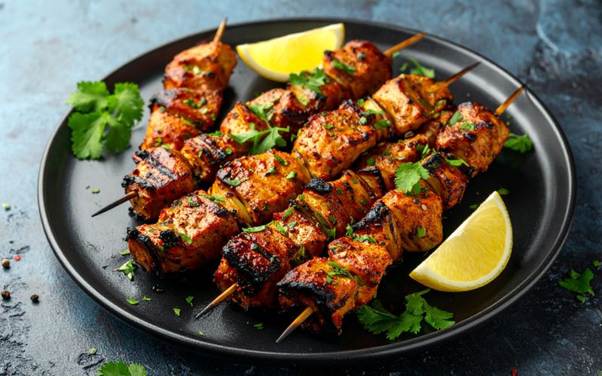
Chicken tikka masala may be the famous one, but it’s not the best. Look for regional menus. Pakistani grills. South Indian dosas. Bengali fish dishes.
Eat curry where communities live, not just in nightlife zones. In London, entire neighborhoods specialize.
This is one of the strongest food experiences in the country. Don’t skip it.
Bakeries and Afternoon Habits
British baking is underrated.
Scones (with jam and cream—order matters depending on where you are). Sausage rolls. Eccles cakes. Victoria sponge.
You don’t need a formal afternoon tea unless you enjoy ceremony. A bakery stop and a cup of tea does the job just fine.
Most travelers miss how often locals stop for something small rather than full meals.
Cheese and Dairy
British cheese deserves more respect.
Cheddar (real cheddar), Stilton, Wensleydale, Red Leicester. Eat them in pubs or markets. Not pre-wrapped supermarket packs if you can avoid it.
Cheese boards at the end of meals are worth ordering when available.
Coffee, Tea, and Drinking Hours
Tea is cultural. Coffee is improving rapidly.
You’ll find excellent independent coffee shops everywhere now. Chain dominance is fading.
Alcohol flows easily, but last orders come earlier than many expect. Kitchens close early too. This is where trips often go wrong—people assume late dinners are normal. They’re not, especially outside big cities.
Where Travelers Slip Up
They eat near major attractions. Quality drops, prices rise.
They assume all British food is heavy. It’s not, if you choose well.
They skip regional specialties and eat the same things everywhere.
And they don’t plan around kitchen hours.
Final Thoughts
The UK feeds you best when you slow down and eat where people live, not where they visit. Pub lunches. Sunday roasts. Coastal fish. Curries in neighborhoods that care about them. Bakeries between meals.
If your route includes multiple regions or broader journeys like London Scotland Wales tour packages, let food anchor each stop. Eat what makes sense there. Don’t chase everything. Don’t rush meals.
British food doesn’t shout. It waits. Pay attention, and it delivers.
FAQs
1. Is UK food really bland?
No. Poor choices lead to bland meals. Good kitchens cook confidently and season well.
2. Is tipping expected in the UK?
Not mandatory. 10–12.5% is common if service isn’t included.
3. Can vegetarians eat well in the UK?
Yes. Vegetarian and vegan options are widely available.
4. What’s the best meal of the day to eat out?
Lunch or Sunday roast. Dinner can be hit-or-miss due to early kitchen closures.
5. Is street food safe?
Yes, especially in markets. Quality is generally high.
6. Do I need reservations?
For popular pubs on weekends or Sunday roasts, yes.
7. What food should I avoid?
Avoid tourist menus near landmarks. Walk a bit farther and eat better.