If you’re planning Tunisia cultural and heritage tours and focusing on Roman ruins, desert ksars, and blue-and-white medinas, you should also be thinking about what you’ll eat between those stops. Tunisian food is bold, layered, and deeply regional. It’s North African at its core, with Berber, Arab, Mediterranean, and even French influences woven through it.
This isn’t subtle cuisine. Harissa shows up often. Olive oil flows generously. Bread is constant. And meals are meant to be shared.
I’ve eaten in family-run restaurants in the Tunis medina, seafood spots in Sidi Bou Said, and roadside grills near Dougga. Here’s what you should actually try — and how to approach Tunisian food without making the common mistakes.
Harissa: The Flavor Base
Before we talk dishes, we need to talk about harissa.
Harissa is a chili paste made from roasted red peppers, garlic, spices, and olive oil. It’s served with bread at the start of many meals.
It’s spicy. Not painfully so, but noticeable.
Most people either ignore it or use too much. Start small. Mix it with olive oil or tuna. Spread it lightly on bread.
In a small restaurant in Tunis, I watched locals gently blend harissa with olive oil before dipping bread. That’s the move.
Harissa isn’t just heat. It’s flavor.
Couscous: Not Just a Side Dish
Couscous is Tunisia’s national dish, and it deserves proper attention.
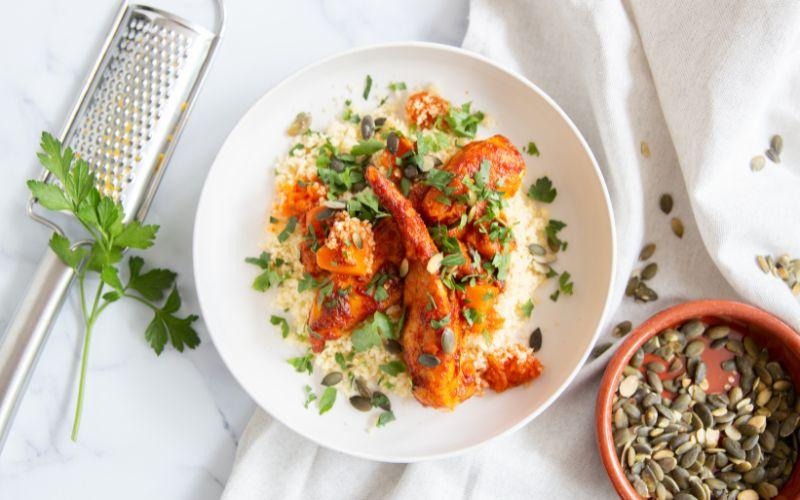
Unlike the quick-cook couscous you might know, traditional Tunisian couscous is steamed multiple times and served with vegetables, chickpeas, and meat or fish.
Each region has its version. Coastal areas may serve it with seafood. Inland versions often feature lamb.
The first proper couscous I had was in a family home outside Kairouan. The semolina grains were light and fluffy, topped with slow-cooked vegetables and tender meat. It felt celebratory.
This is where trips often go wrong: travelers order couscous in a tourist-heavy restaurant and get a rushed version. If you can, ask your guide or host for a recommendation outside the busiest zones.
Brik: Crispy, Messy, Essential
Brik is one of Tunisia’s most iconic street foods.
It’s a thin pastry filled with egg, tuna, parsley, capers, and sometimes harissa, then folded and deep-fried.
You’re supposed to bite into it carefully without spilling the yolk. Good luck.
I tried my first brik in the medina of Tunis. I failed at the neat bite. The egg ran everywhere. No one seemed surprised.
Order it as a starter. Eat it hot. Accept the mess.
Lablabi: The Unexpected Favorite
Lablabi is a chickpea soup served with torn pieces of bread, garlic, cumin, olive oil, and often a soft-cooked egg on top.
It’s humble. Inexpensive. Deeply comforting.
You’ll find it in simple eateries, especially in cooler months.
One evening in Tunis, I ducked into a small shop to escape the wind. The bowl of lablabi that arrived was steaming, rich with spice, and filling enough to replace dinner.
Most travelers don’t know about lablabi. They stick to couscous and grilled meat. Don’t skip this one.
Ojja: Eggs with Attitude
Ojja is a tomato-based dish with eggs poached directly in the sauce. Often includes merguez sausage or seafood.
Think of it as Tunisia’s answer to shakshouka, but spicier.
Served in a small pan, bubbling hot, with bread on the side.
I had ojja for lunch in Sfax, and it felt like the perfect midday meal — bold, fast, satisfying.
If you enjoy strong flavors and don’t mind spice, this is for you.
Seafood Along the Coast
Tunisia’s Mediterranean coastline offers excellent seafood.
In places like Sidi Bou Said or Mahdia, you’ll find grilled fish served simply with lemon and olive oil.
No complicated sauces. Just freshness.
I once had grilled sea bream overlooking the water in Mahdia. The waiter insisted it was caught that morning. It tasted like it.
If you’re traveling through Tunisia cultural and heritage tours that include coastal stops, make sure at least one meal focuses on seafood.
Salads and Small Plates
Tunisian salads are not just side dishes.
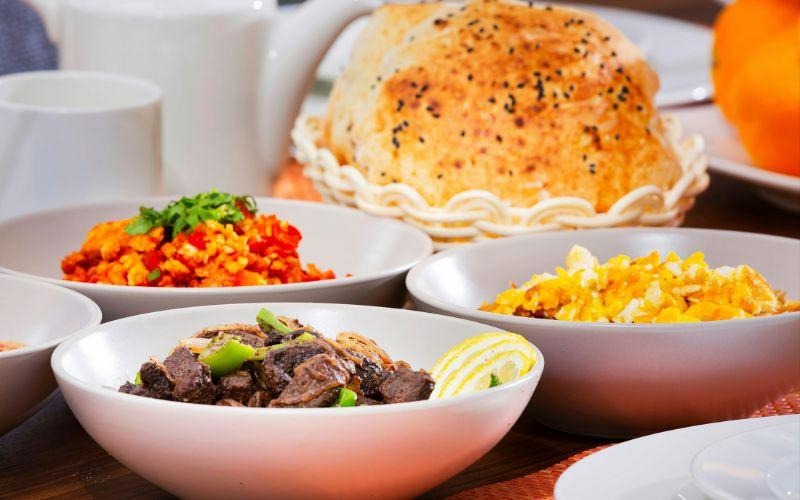
Salade mechouia — grilled peppers and tomatoes mixed with tuna, olives, and boiled eggs — is common.
It’s smoky, slightly spicy, and usually served cold with bread.
Order a few salads for the table. Share. That’s how meals are meant to work.
Sweets and Mint Tea
Desserts in Tunisia often include pastries soaked in honey or syrup, influenced by Arab and Mediterranean traditions.
Makroud, filled with dates and fried, is common in Kairouan.
Mint tea, often sweet, ends many meals. Sometimes served with pine nuts floating on top.
Sit with it. Don’t rush off immediately after paying the bill.
A Few Honest Observations
Tunisian food can be spicy. If you’re sensitive to heat, say so clearly.
Portions are generous, especially when sharing.
Service can feel relaxed. Meals take time.
Bread will always be present. Use it to scoop, dip, and balance flavors.
And yes, tourist restaurants near major attractions sometimes tone down flavors. If you want authenticity, walk a few streets away.
Final Thoughts
Tunisian cuisine is bold, direct, and deeply rooted in history.
Start with harissa and bread. Try couscous done properly. Order brik and accept the mess. Don’t skip lablabi. Eat ojja at least once. Have seafood by the sea.
If you’re planning Tunisia cultural and heritage tours, let food become part of your cultural understanding. Each region brings something slightly different to the table.
Slow down between ruins and desert drives. Sit in a local restaurant. Ask what’s traditional here.
Tunisia tells its story through architecture and landscapes. But it also tells it through spice, olive oil, and shared plates.
And that’s a story worth tasting properly.
FAQs About Food in Tunisia
1. Is Tunisian food very spicy?
It can be. Harissa adds heat to many dishes, but you can usually ask for less spice.
2. Is Tunisia good for vegetarians?
Yes, especially with dishes like salads, couscous with vegetables, and lablabi. However, some dishes include meat by default, so clarify when ordering.
3. Is street food safe in Tunisia?
Generally yes, especially in busy areas with high turnover. Choose places that look clean and popular.
4. What’s the must-try Tunisian dish?
Couscous is essential, but brik and lablabi are equally memorable.
5. Is alcohol available?
Yes, in licensed restaurants and hotels, particularly in tourist areas.
6. What’s the best region for seafood?
Coastal towns like Mahdia and Sidi Bou Said offer excellent fresh seafood.
7. What’s the biggest dining mistake travelers make?
Sticking to tourist menus near major sites and not exploring local eateries where the real flavors shine.