If you travel through Bosnia and Herzegovina long enough, food stops being a background detail and starts shaping your days. You plan walks around bakeries. You judge neighborhoods by the smell of grilled meat at noon. And you quickly learn that eating “local” here doesn’t mean fancy restaurants or curated tasting menus. It means small places, simple plates, and food that’s been cooked the same way for generations.
This isn’t a checklist. It’s a field guide. The kind you build after sitting on plastic chairs, burning your tongue on hot pita, and realizing that most visitors walk past the best food without noticing. If you’re traveling independently or as part of a broader Bosnia cultural and heritage tour packages itinerary, knowing what to eat—and where you’re likely to go wrong—makes a real difference.
Below are the dishes that matter. Not because they’re famous, but because Bosnians actually eat them.
Ćevapi (Ćevapčići)
You’ll eat these more than once. You should.
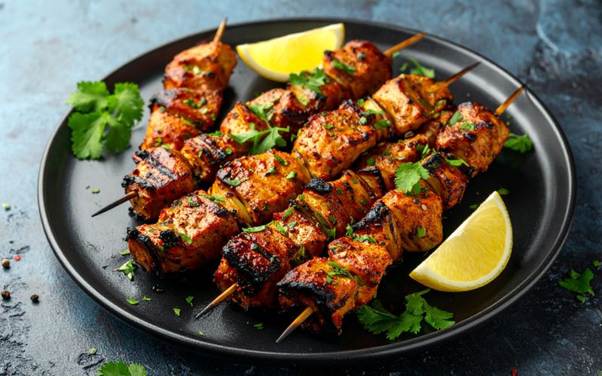
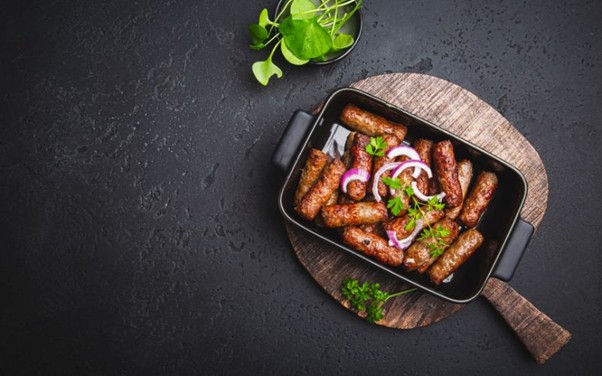
Ćevapi are small, skinless sausages made from minced beef (sometimes mixed with lamb), grilled over open flame, and served inside soft flatbread called somun. No fancy sauces. Usually just chopped raw onion and a spoon of kajmak if you ask.
The mistake travelers make is treating this like fast food. It’s not. Timing matters. Freshness matters. A good ćevabdžinica will sell out by early afternoon. If the place is still pushing ćevapi at 9 p.m., walk away.
In Sarajevo, locals argue about which spot is best. Ignore the debate. Focus on queues. Follow people who look like they’re on lunch break, not on holiday.
Burek (and its misunderstood cousins)
Outside Bosnia, everything rolled in filo gets called “burek.” Inside Bosnia, that’s wrong—and people care.
Burek is only meat-filled. Beef, finely chopped, wrapped in thin dough, baked until crisp on top and soft inside. Other versions exist—cheese (sirnica), spinach (zeljanica), potatoes (krompiruša)—but don’t call them burek unless you want a polite correction.
Eat this in the morning or early afternoon. It’s heavy. Locals pair it with plain yogurt, drunk, not spooned.
Most people miss the difference between bakery burek and home-style burek baked in a round metal pan. If you see large trays cut into wedges rather than long rolls, stop and eat there.
Begova Čorba (Bey’s Soup)
This is comfort food with status.
Begova čorba is a thick chicken soup with okra, carrots, and a slow-cooked depth that surprises people expecting something light. It’s usually served as a starter, but it can easily stand on its own.
You’ll find it in traditional restaurants, especially outside big tourist centers. If you’re in a place where lunch feels rushed, skip it. This soup deserves time. It’s better when you’re not checking your phone every two minutes.
Small warning: okra isn’t for everyone. Give it a chance anyway. In this context, it works.
Dolma and Sogan-dolma
Stuffed vegetables show up across the region, but Bosnian versions lean heavier and more savory.
Dolma usually means peppers or zucchini stuffed with minced meat and rice, cooked slowly in a light sauce. Sogan-dolma is the standout: onions hollowed out, stuffed, and baked until sweet and soft.
This is home food. When you find it in restaurants, it’s often made in large batches. Ask if it’s fresh that day. Yesterday’s dolma isn’t bad, but today’s is better.
If someone invites you into their home and serves this, accept. Cancel plans if you must.
Klepe
Think of klepe as Bosnia’s answer to dumplings, but quieter about it.
They’re small, folded parcels of dough filled with minced meat, boiled, then topped with garlic yogurt and melted butter or paprika oil. Subtle. Balanced. Easy to underestimate.
Most travelers skip these because they don’t look impressive. That’s the mistake. Order klepe when you want to understand Bosnian cooking beyond grilled meat.
They’re also a good test of a kitchen’s skill. Bad dough ruins everything. Good klepe disappear quickly.
Japrak
Japrak looks like sarma, but it’s not quite the same.
Instead of cabbage leaves, japrak uses vine leaves. The filling is mostly meat, tightly rolled, and cooked until dense and rich. It’s heavier than it looks.
You’ll see this more often in southern regions and around Mostar. Portion sizes vary wildly. Ask before ordering if you’re not very hungry.
It’s not Instagram food. It’s serious food.
Bosanski Lonac
Bosanski lonac is a slow-cooked stew of layered meat and vegetables, sealed and cooked for hours. No stirring. No shortcuts.
You won’t find it everywhere because it takes time and planning. When it’s available, order it. Especially in colder months.
This dish tastes like patience. Everything breaks down. Flavors blend. You don’t rush this meal, and no one expects you to.
Desserts: Baklava, Tufahija, and Hurmašice
Bosnian desserts are sweet. Properly sweet. If you don’t like sugar, pace yourself.
Baklava here is less flashy than Turkish versions but heavier. More nuts. Less syrup drip. Tufahija—poached apple stuffed with walnuts and topped with cream—is underrated and often homemade.
Hurmašice are small, syrup-soaked cakes that look innocent and hit hard. One is enough. Two is optimism.
Most tourists eat dessert after a big meal and regret it. Better to stop mid-afternoon and have coffee and something sweet instead.
Coffee Is Not a Side Note
Bosnian coffee isn’t “Turkish coffee,” even if it looks similar. The process matters. The pacing matters.
It’s served with sugar cubes or rahat lokum, and you’re expected to sit. Drink slowly. Talk. Or don’t talk. Just don’t rush.
Coffee breaks structure the day here. Ignore that, and you miss something essential.
Where Trips Often Go Wrong
Tourist menus flatten everything. They combine dishes that locals wouldn’t eat together and serve them at odd times. If a place offers pizza, pasta, ćevapi, sushi, and “traditional food” on one menu, skip it.
Also, don’t chase “the best” spot online. Chase consistency. Busy places. Simple signs. Limited menus.
And don’t over-plan meals. Some of the best food moments happen when you’re slightly hungry and slightly lost.
Final Thoughts
Traditional Bosnian food isn’t about novelty. It’s about rhythm. Eating what’s cooked that day. Sitting longer than expected. Trusting simple ingredients.
If you’re traveling through Bosnia on your own or as part of thoughtfully designed Bosnia cultural and heritage tour packages, let food guide your route. Follow bakeries in the morning. Smoke at noon. Coffee in the afternoon. Stews when the air cools.
Eat with curiosity, not urgency. You’ll remember these meals longer than most landmarks.
FAQs
1. Is Bosnian food very meat-heavy?
Yes. Meat is central, especially beef and lamb. Vegetarians can manage, but it takes effort and flexibility.
2. Can I find vegetarian versions of traditional dishes?
Some bakeries offer cheese or spinach pita. Full vegetarian meals are less common outside larger cities.
3. Is street food safe to eat?
Generally, yes. Stick to busy places with high turnover. Freshness matters more than appearance.
4. What’s the best time of day to eat traditional food?
Late morning to early afternoon. Many places sell out or stop cooking certain dishes later in the day.
5. Are portions large?
Often. Ask before ordering multiple dishes. Sharing is common and practical.
6. Should I tip in restaurants?
It’s not mandatory, but rounding up or leaving 5–10% is appreciated for good service.
7. Is English widely spoken in restaurants?
In cities, usually yes. In smaller towns, menus may be limited, but pointing works just fine.