If you’re planning Tajikistan travel from Dubai and picturing high mountain passes, turquoise lakes, and long road journeys through the Pamirs, you should also think about what you’ll be eating along the way. Tajik cuisine isn’t flashy. It’s not built for food photographers. But it’s deeply connected to landscape, hospitality, and tradition.
This is mountain food. Hearty. Practical. Made for cold winters and long days. Expect bread at every meal. Expect meat. Expect tea. And expect to be offered more food than you thought possible.
I’ve eaten in Dushanbe restaurants, roadside chaikhanas (tea houses), and family homes in small villages along the Pamir Highway. Here’s what you should actually try — and how to approach it.
Plov: The Dish You’ll See Everywhere
If there’s one dish that defines Tajik cuisine, it’s plov.
Rice cooked with carrots, onions, and chunks of meat — usually lamb or beef — often with whole cloves of garlic buried inside. Sometimes raisins or chickpeas are added.
It looks simple. It is simple. But the flavor depends entirely on technique.
The first plov I had was in Dushanbe, served on a large communal plate. Everyone shared. No individual portions. That’s how it’s meant to be eaten.
Most people miss this: plov is usually a lunchtime dish. By evening, good versions are often sold out. If you want proper plov, eat it earlier in the day.
And don’t just pick out the meat. The rice carries most of the flavor.
Non (Bread): Always on the Table
Bread — called non — is sacred in Tajikistan.
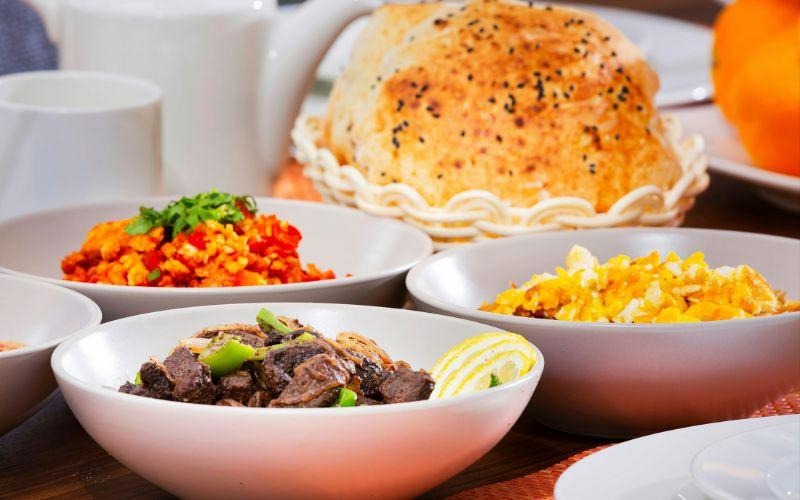
Round, flat, often stamped with decorative patterns in the center. Slightly crisp outside, soft inside.
In rural homes, bread is placed at the center of the table before anything else. You break it by hand. Never upside down. Never thrown away carelessly.
I once watched a host gently lift a piece of bread that had fallen to the floor, kiss it, and place it on a higher shelf. That tells you how important it is.
Don’t treat bread as an afterthought. It’s central to every meal.
Qurutob: Rustic and Memorable
Qurutob is one of the most traditional Tajik dishes, and it’s worth seeking out.
It’s made from pieces of flatbread soaked in a yogurt-based sauce (made from dried yogurt balls called qurut), topped with fried onions and sometimes vegetables or meat.
It’s eaten with your hands from a shared plate.
The texture is soft and slightly tangy. Not everyone loves it on first bite. But in Dushanbe, I had a version topped with fresh herbs that completely changed my opinion.
This is where trips often go wrong: travelers stick to “safe” dishes and avoid something unfamiliar like qurutob. Try it once. Even if you’re unsure.
Shurbo: Soup for the Road
Shurbo is a clear meat soup with chunks of lamb or beef, potatoes, carrots, and herbs.
You’ll find it in roadside tea houses and small restaurants across the country.
After a long drive through the mountains, shurbo feels restorative. Warm broth. Simple vegetables. Nothing complicated.
In colder regions, especially at higher altitudes, you’ll appreciate how comforting it is.
Order it with bread and tea. That’s a complete meal.
Sambusa: The Quick Bite
Tajik sambusa is similar to samosas found across Central Asia and South Asia.
Usually filled with minced meat and onions, baked or sometimes fried.
In Dushanbe’s markets, you’ll see vendors selling them fresh from tandoor-style ovens.
One afternoon, I grabbed a hot sambusa wrapped in paper before boarding a shared taxi. It was flaky, slightly greasy, and perfect for the journey.
For a quick lunch, this is your go-to.
Manty and Dumplings
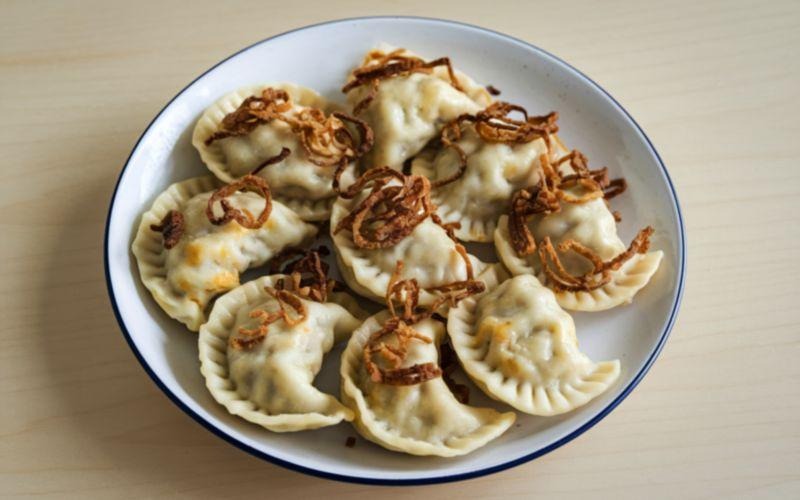
Manty are large steamed dumplings filled with minced meat.
They’re heavier than they look. Usually served with sour cream or yogurt.
Portions can be big. Don’t overorder.
If you’ve been traveling through Uzbekistan or Kazakhstan, you’ll recognize them. But each country adds its own touch.
In Tajikistan, the meat is often seasoned simply. The focus is on texture and comfort.
Tea: The Constant Companion
Green tea is served everywhere.
In homes, tea houses, restaurants — always tea.
It’s poured into small bowls, not cups with handles. Refills are constant.
Meals aren’t rushed. Tea extends them.
I’ve sat for hours in a chaikhana with drivers and locals, sipping tea between bites of bread and plov. Conversation moves slowly. That’s part of the culture.
Don’t treat tea as a side drink. It’s central to Tajik hospitality.
Dushanbe’s Evolving Food Scene
While traditional food dominates, Dushanbe is slowly developing a more modern dining scene.
You’ll find restaurants offering refined takes on Central Asian dishes, sometimes with better presentation and lighter seasoning.
If you’re starting or ending your Tajikistan travel from Dubai in the capital, take one evening to explore a slightly upscale restaurant. It provides contrast before heading into rural regions.
But don’t expect fusion experiments. Tajik cuisine remains rooted in tradition.
What to Know Before You Eat
A few practical notes:
- Tajik food is not spicy. Flavors are mild and savory.
- Vegetarian options are limited in rural areas, but salads, bread, and soups without meat may be available.
- Portions are generous, especially when eating in homes.
- Hospitality is serious. Refusing food repeatedly can feel impolite. Accept at least a small amount.
- Cash is essential outside major cities.
And remember: presentation is simple. Focus on flavor and context, not aesthetics.
Final Thoughts
Tajik cuisine isn’t about variety or refinement. It’s about warmth, sharing, and practicality.
Eat plov at lunch. Break bread properly. Try qurutob even if you hesitate. Order shurbo on a cold day. Drink tea slowly.
If you’re traveling through Tajikistan — whether independently or arriving via Tajikistan travel from Dubai — let meals anchor your journey. Food here reflects the mountains: steady, grounded, and resilient.
Don’t rush through it.
Because in Tajikistan, sitting down to eat is not just about filling your stomach. It’s about being welcomed.
And that’s something worth experiencing properly.
FAQs About Tajik Cuisine for Travelers
1. Is Tajik food very spicy?
No. Tajik cuisine is generally mild, focusing on savory flavors rather than heat.
2. Are vegetarian options available?
Options can be limited outside cities, but salads, bread, soups, and vegetable sides are often available.
3. Is it safe to eat in local tea houses?
Yes, especially busy ones with high turnover. Choose places that look clean and popular with locals.
4. What’s the must-try dish in Tajikistan?
Plov is essential. Qurutob is also worth trying for a more traditional experience.
5. Is tap water safe to drink?
It’s best to stick to bottled or filtered water.
6. Do people eat with their hands?
For some dishes like qurutob, yes. Follow your host’s example.
7. What’s the biggest dining mistake travelers make?
Sticking only to familiar dishes and not engaging with local hosts or tea houses where the real food culture happens.