Switzerland is small, but its food changes fast once you start crossing language borders. Drive an hour and you’ll notice it. Menus shift. Sauces get heavier or lighter. Portions quietly change. This isn’t a place with one national dish—it’s a country stitched together by regions, valleys, and habits that don’t always agree with each other.
If you only eat fondue and chocolate, you’ve barely scratched the surface. Most travelers do exactly that. They’re not wrong—but they’re missing the good stuff.
This guide is written the way I’d explain Swiss food to a friend who already travels well and doesn’t need basics. No museum-style history. No “top 10” fluff. Just what to eat, where it actually belongs, and a few things people often get wrong.
I’ve eaten most of these dishes in the regions they come from—sometimes in polished restaurants, sometimes in loud village inns where the menu hasn’t changed in 40 years. Both count.
If you’re visiting Switzerland as part of a longer route—especially on Europe tours including Switzerland from Dubai—this will help you decide what’s worth seeking out and what’s fine to skip.
French-Speaking Switzerland (Romandie): Comfort with Discipline
Romandie
This is the Switzerland that leans French but doesn’t fully commit. The food looks refined, but it’s still practical. Less butter than France. Less flair. More restraint.
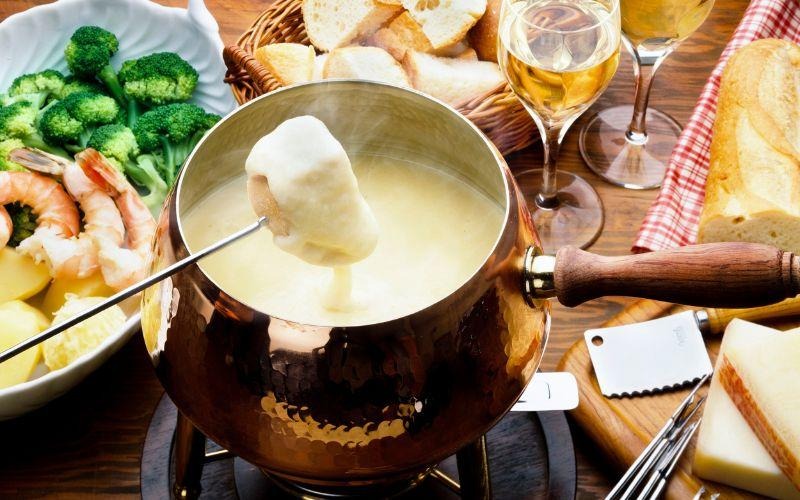
Cheese Fondue (Properly, Not Anywhere)
Fondue belongs here. Specifically around Geneva and Lausanne.
Yes, you’ll find fondue everywhere. No, it’s not all the same.
In Romandie, the blend matters. Gruyère and Vacherin, melted slowly, served with dry white wine and stale bread that’s been cut the right size. If the bread is soft, that’s already a red flag.
One warning: ordering fondue at lunch can ruin your afternoon. It’s heavy, and locals know this. Dinner is the move.
Papet Vaudois
This is a dish people skip because it doesn’t sound exciting. They shouldn’t.
Leeks cooked down until soft. Potatoes. A smoked sausage (usually Saucisse aux choux). It’s simple and deeply regional to the Vaud canton.
Eat this in a traditional restaurant, not a modern café. If the menu looks too clean, they probably don’t make it well.
German-Speaking Switzerland: Rustic, Filling, and Honest
German-speaking Switzerland
This is where food stops apologizing for itself. Portions get bigger. Plates get browner. Cheese becomes a lifestyle choice.
Rösti (Not a Side Dish)
Rösti is often treated like a potato side. That’s wrong.
In places like Bern or Lucerne, rösti is the meal. Crispy on the outside, soft inside, cooked in butter, often topped with a fried egg, cheese, or sausage.
If it arrives pale, send it back. Rösti should crunch when your fork hits it.
Zürcher Geschnetzeltes
Zurich’s signature dish is sliced veal in a creamy mushroom sauce, usually served with rösti.
It sounds heavy. It is. But when done right, it’s balanced and not as rich as it looks.
Order this in Zurich proper. Outside the city, it’s hit or miss.
Italian-Speaking Ticino: Where Switzerland Finally Relaxes
Ticino
Ticino feels different. Slower. Warmer. More wine on tables at lunch.
If Swiss food ever felt too controlled to you, this region fixes that.
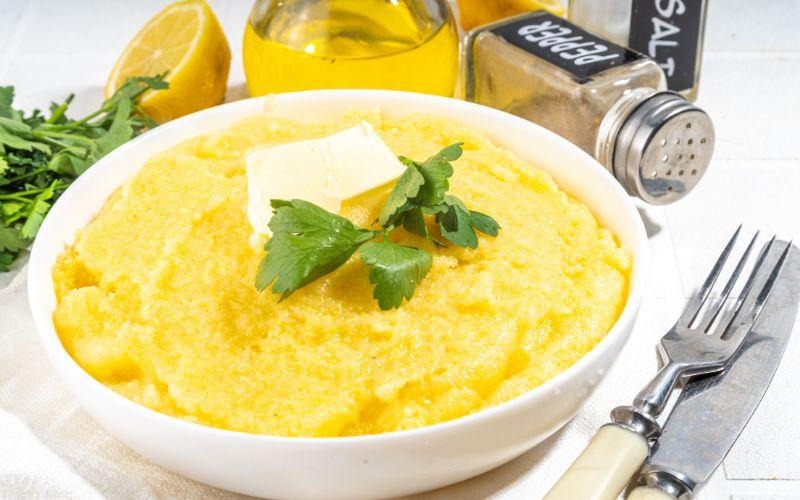
Polenta (Done Slowly)
Forget instant polenta. In Ticino, it’s cooked for a long time, stirred patiently, and served creamy or grilled.
Often paired with braised beef, rabbit, or sausages. You’ll see it everywhere, but it’s best in family-run grottos—the kind of places with stone walls and shared tables.
Most travelers rush through Ticino. That’s a mistake. Eat here.
Merlot-Based Dishes
Local Merlot shows up everywhere—in stews, sauces, even desserts.
If a menu mentions “al Merlot,” take it seriously. This isn’t wine tourism gimmickry. Ticino takes its Merlot personally.
Alpine Regions: Food Built for Weather
Swiss Alps
Mountain food is about calories and survival. It’s not delicate, and it’s not trying to be.
Raclette (The Right Way)
Raclette is not just melted cheese scraped onto potatoes—at least not in places like Zermatt or Valais villages.
The cheese is heated slowly, scraped directly, and eaten with pickles and onions. No distractions.
Avoid tourist buffets with “unlimited raclette.” That’s not how locals eat it, and your stomach will regret it.
Dried Meats and Alpine Sausages
Air-dried beef, cured pork, smoked sausages. Simple, salty, perfect with bread and wine after hiking.
These are often best bought from small village shops, not restaurants.
Desserts and Sweets: Less Sugar, More Precision
Swiss Chocolate (Context Matters)
Yes, the chocolate is excellent. But eating it randomly isn’t the point.
Try it as part of dessert in a restaurant, or buy small batches from local chocolatiers. Supermarket chocolate is fine—but it’s not the same experience.
Nusstorte (Engadine)
A walnut tart filled with caramelized nuts. Dense. Rich. Best shared.
If you’re in eastern Switzerland, especially the Engadine valley, this is non-negotiable.
Things Travelers Often Get Wrong
- Eating “Swiss food” everywhere – Regional dishes matter here. Location is everything.
- Skipping lunch menus – Many good restaurants offer better value at lunch.
- Overdoing cheese daily – Pace yourself. Swiss stomachs are trained. Yours may not be.
- Assuming expensive = good – Some of the best meals are in modest, slightly dated places.
How This Fits into a Broader Europe Trip
If Switzerland is one stop among many—especially on Europe tours including Switzerland from Dubai—plan your meals deliberately. You won’t stumble into great regional food by accident here. Reservations help. Timing matters.
Don’t try to sample everything. Pick the dishes that belong to the region you’re in and move on.
Final Thoughts
Swiss food rewards attention. Not hype—attention.
Eat what belongs where you are. Skip the global menus. Ask locals what they eat on cold days. Avoid shortcuts.
If you do that, Switzerland stops feeling expensive and starts feeling intentional.
That’s when the food finally makes sense.
FAQs
1. Is Swiss food mostly just cheese?
No—but cheese is central. Regional cooking goes well beyond fondue and raclette.
2. What’s the best region for food lovers?
Ticino, without question, if you like relaxed, Italian-leaning meals.
3. Is Swiss food vegetarian-friendly?
Yes, but traditional dishes are meat-heavy. Look for modern Swiss kitchens for variety.
4. Are restaurant reservations necessary?
Often, yes—especially in smaller towns or popular mountain areas.
5. Is eating out very expensive?
It can be. Lunch menus and regional dishes usually offer better value.
6. Can I find regional food in big cities?
Sometimes, but quality varies. Smaller towns often do it better.