South Africa doesn’t have one food story. It has many, layered on top of each other, sometimes uneasily, sometimes beautifully. You taste that complexity at the table. One meal might feel deeply rural. The next feels coastal and light. Another pulls flavors from three continents and makes them feel normal.
Most travelers arrive with vague expectations—braai, biltong, maybe wine. All true. Also incomplete. South African food rewards curiosity and timing. Eat the right thing in the right place, and it clicks. Miss that alignment, and meals feel confusing or underwhelming. This is where trips often go wrong.
Whether you’re moving independently, road-tripping, or building food stops into South Africa scenic coastal tours, this guide focuses on what actually matters on the plate—and what people tend to overlook.
Braai: More Than a Barbecue
Let’s start with the obvious, because it deserves respect.
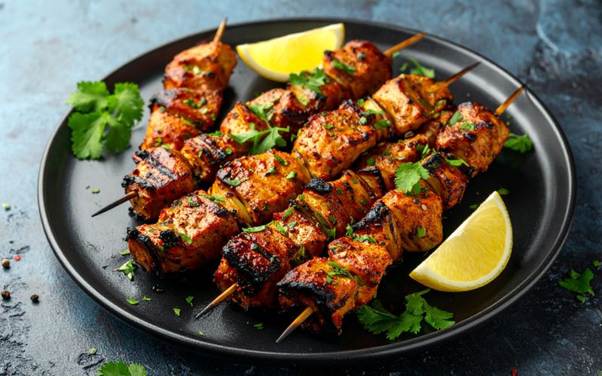
Braai is not just grilled meat. It’s a social structure. A slow afternoon. Fire management is taken seriously. Conversations happen while meat waits.
You’ll see:
- Boerewors (coiled sausage, spiced, juicy)
- Lamb chops or steak
- Chicken, often marinated
Sides matter too. Pap (maize porridge). Chakalaka (spicy vegetable relish). Simple salads.
If you’re invited to a braai, go. Bring drinks. Don’t touch the fire unless asked. Most people miss how important this ritual is—it’s less about eating and more about belonging.
Biltong and Droëwors
These aren’t snacks. They’re habits.
Biltong is air-dried meat, usually beef or game, seasoned with vinegar and spices. Droëwors is the sausage version.
You’ll see it everywhere: petrol stations, markets, bars. Quality varies. Good biltong is tender, not brittle. Fat content matters.
Try different cuts. Ask what’s fresh. Locals do.
And no, it’s not jerky. Don’t call it that.
Cape Malay Food (Most People Miss This)
This is one of South Africa’s most distinctive food traditions, and many travelers never try it.
In areas around Cape Town, especially Bo-Kaap, Cape Malay food blends Southeast Asian spices with local ingredients.
Look for:
- Bobotie: spiced minced meat baked with an egg topping. Sweet-savory. Comforting.
- Samoosas: different from Indian versions, often spicier and crispier.
- Denningvleis: sweet-and-sour lamb stew.
Eat this in small, local places or home-style restaurants. Avoid spots that package it as “exotic.” That’s usually a red flag.
Pap, Stews, and Everyday Food
Pap is a staple. You’ll encounter it often.
It can be stiff or soft, served plain or with sauce. On its own, it’s neutral. With the right stew, it makes sense.
Common pairings:
- Chakalaka (tomato, onion, chili, beans)
- Beef or chicken stews
- Morogo (wild greens)
This is everyday food. Not fancy. But it tells you how people actually eat.
If you’re in rural areas or townships and someone offers food, pap will likely be involved. Eat it as it’s served. Don’t overthink it.
Bunny Chow (Durban’s Essential Meal)
In Durban, bunny chow is not optional.
It’s a hollowed-out loaf of bread filled with curry. That’s it. No plates. You eat with your hands.
Originally street food, now everywhere. The curry can be vegetarian, chicken, or mutton.
Start mild unless you know your spice tolerance. Durban curries don’t play around. This is where trips often go wrong for people who say, “I like spicy food” and then regret it.
Eat the bread last. That’s the rule.
Seafood Along the Coast
South Africa’s coastline is long and varied. So is the seafood.
Along the Western Cape:
- Snoek, often smoked or grilled with apricot jam
- Kabeljou (when in season)
- Mussels and oysters
Along the Eastern Cape and KwaZulu-Natal:
- Grilled fish with minimal seasoning
- Prawns, especially near Mozambique influence
Ask what’s local and in season. If a menu offers everything from salmon to tuna to lobster year-round, be skeptical.
Simple is better here.
Game Meat (Optional, Not Mandatory)
You’ll see game meat on menus: kudu, springbok, ostrich.
It’s lean and widely available. Some people love it. Others don’t.
If you’re curious, try one dish. Grilled or in a pie. Don’t order a mixed game platter unless you’re committed.
This isn’t survival food. It’s normal here. But it’s also easy to overdo.
Vetkoek and Street Food
Vetkoek is fried dough. Crispy outside, soft inside. Sometimes filled with mince, sometimes sweet.
You’ll find it at roadside stalls and markets. Eat it hot. Cold vetkoek is disappointing.
Street food varies by area. Follow crowds. Avoid empty stalls. Trust turnover.
Wine (Yes, It Matters)
South Africa produces excellent wine at reasonable prices.
In regions near Stellenbosch and Franschhoek, wine is part of the meal, not an event.
Try:
- Chenin Blanc
- Pinotage (controversial, but worth understanding)
- Sparkling wines (often overlooked)
Don’t over-plan tastings. One or two stops is enough. Eat properly alongside wine.
Desserts and Sweet Things
Desserts are understated but satisfying.
- Malva pudding: warm, spongy, sweet. A classic.
- Koeksisters: twisted, syrup-soaked dough. Very sweet. Eat one.
- Milk tart: gentle, cinnamon-forward custard.
Dessert usually comes with coffee or tea. It’s not a showstopper. That’s fine.
Where Travelers Slip Up
They stick to hotel restaurants. Food gets safer and duller.
They eat too late. Kitchens close earlier than expected outside big cities.
They avoid “local” places out of uncertainty. That’s where the real food is.
And they underestimate spice in Durban. Every time.
Final Thoughts
South African food isn’t about one signature dish. It’s about context. Curry in Durban. Seafood on the coast. Braai everywhere. Cape Malay flavors in Cape Town. Everyday pap and stews where tourists rarely look.
If your trip includes road journeys or experiences like South Africa scenic coastal tours, let meals mark your route. Eat what fits the place. Ask what people eat on normal days. Say yes when invited.
You’ll understand the country better at the table than almost anywhere else.
FAQs
1. Is South African food very spicy?
Usually no, except in Durban and some Cape Malay dishes. Spice levels vary widely.
2. Is it safe to eat street food?
Generally yes if stalls are busy and food is freshly cooked.
3. Can vegetarians eat well in South Africa?
Possible, but limited outside cities. Vegetarian curries and sides help.
4. Is tipping expected?
Yes. 10–15% is standard in restaurants if service isn’t included.
5. Is game meat ethical to eat?
Game farming is regulated, but opinions vary. It’s optional—don’t feel obligated.
6. What’s the best meal of the day to eat out?
Lunch is often best, especially for traditional food.
7. Should I drink tap water?
In most cities, yes. In rural areas, bottled water is safer.