Serbia is not a place where you nibble. You sit down hungry or you wait. Meals here assume commitment. Plates arrive full, bread keeps coming, and someone will eventually insist you eat more even when you’ve stopped pretending you can.
I’ve seen travelers underestimate Serbian food because it doesn’t dress itself up. No foam. No tiny portions. Just meat, dough, dairy, smoke, and time. If you’re moving through Serbia — whether independently, overland, or as part of slower routes like Serbia river cruise tour packages—knowing what to eat (and when) changes how the country feels.
This isn’t a greatest-hits list. It’s a practical guide. What locals order. What they skip. And where visitors usually get it wrong.
Ćevapi (Ćevapčići)
You’ll eat these. Repeatedly.
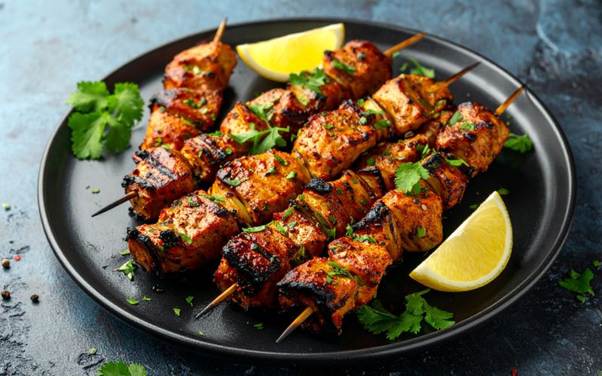
Ćevapi are small grilled sausages made mostly from beef, sometimes mixed with lamb. They come tucked into soft lepinja bread, with chopped onions and kajmak on the side.
Here’s the thing most people miss: ćevapi are about balance, not size. If the meat is too dense, the place doesn’t know what it’s doing. If the bread is dry, leave.
In Belgrade, you’ll find endless debates about where they’re best. Ignore them. Go where locals eat lunch, not where menus are laminated in five languages.
Eat them hot. Standing if necessary. Don’t ask for ketchup. That’s where trips often go wrong.
Pljeskavica
Think of pljeskavica as Serbia’s answer to a burger, but louder.
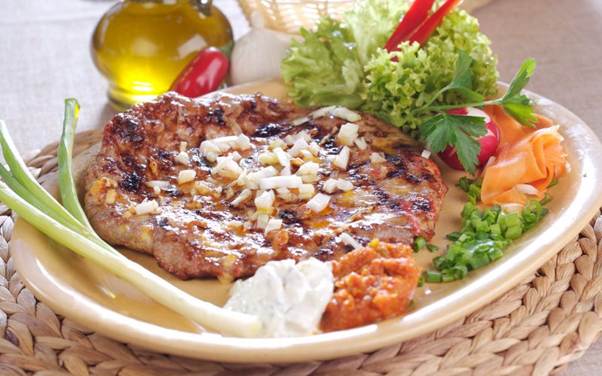
It’s a large, flat grilled patty—usually beef—served in bread with onions, kajmak, and sometimes ajvar. Variations exist: stuffed with cheese, extra spicy, oversized to the point of comedy.
My advice: order the standard version first. Fancy versions hide flaws. A good basic pljeskavica needs nothing added.
You’ll find these everywhere, especially late at night. Some of the best ones come from places that look like they shouldn’t be open. Trust the smoke.
Sarma
Sarma is comfort food with weight.
Cabbage leaves stuffed with minced meat and rice, slow-cooked until everything softens into one flavor. Sour, savory, heavy. This is not summer food, even if it’s technically available year-round.
If you see sarma offered as a “special of the day,” ask when it was made. Fresh is fine. Next-day sarma can be even better. Third-day sarma is a gamble.
Eat it with bread. Always.
Gibanica
Most travelers eat gibanica once and move on. That’s a mistake.
Gibanica is a layered pastry made with filo dough, eggs, and white cheese. It shows up at breakfast, lunch, or as a side. Versions range from light and fluffy to rich and almost custard-like.
Eat it in the morning if you can, preferably somewhere that doesn’t look designed for tourists. Bakeries that sell out by noon are your safest bet.
I once had gibanica at a bus station café that looked forgettable. It ended up being the best meal of the day.
Kajmak (Yes, It Deserves Its Own Section)
Kajmak isn’t butter. It isn’t cream. It’s something in between, and Serbia takes it seriously.
Fresh kajmak is mild and spreadable. Aged kajmak is sharper, funkier, and not for everyone. Try both if you can.
It comes with grilled meats, bread, sometimes even on its own. Don’t be shy. This is what holds half the cuisine together.
Most people miss how central kajmak is. Pay attention to where it shows up.
Prebranac
Beans don’t sound exciting. Prebranac changes that.
This is a baked white bean dish with onions and paprika, cooked slowly until rich and almost sweet. It’s common during fasting periods but eaten year-round.
Order it as a side, then realize you could’ve eaten it as a main. Happens often.
If you’re tired of meat, this is your reset dish.
Karađorđeva Šnicla
This one surprises people.
Karađorđeva šnicla is a breaded, fried meat roll stuffed with kajmak, usually pork or veal. It’s rich, indulgent, and unapologetic.
You’ll see it in more traditional restaurants. Portions are large. Sharing is smart.
Skip this if you’re already full. It doesn’t forgive overeating.
Čorba and Soup Culture
Serbia takes soups seriously.
Veal soup, chicken soup, fish soup—especially along the Danube and Sava rivers—show up as starters but can stand alone.
If you’re traveling through river towns or stopping during Serbia river cruise tour packages, order the fish soup. It varies by location, often spicy, always local.
Soup here isn’t filler. It sets the tone of the meal.
Ajvar
Ajvar is roasted red pepper spread, sometimes mixed with eggplant. It’s smoky, slightly sweet, and addictive.
Good ajvar is homemade or locally produced. Bad ajvar tastes flat and metallic.
You’ll get it with bread, meat, sometimes eggs. Use it generously. It’s one of the flavors you’ll miss most when you leave.
Desserts: Simple and Sweet
Serbian desserts don’t compete for attention. They wait quietly at the end.
- Palačinke (thin pancakes) with walnuts, chocolate, or jam
- Krempita, a custard slice that’s lighter than it looks
- Tulumba, syrup-soaked and very sweet—pace yourself
Dessert is optional here. Coffee is not.
Coffee and Rakija
Coffee is strong, small, and meant to be taken slowly. Often served Turkish-style. Sit with it. Don’t rush.
Rakija—the local fruit brandy—shows up before meals, after meals, sometimes mid-conversation. Accept at least one glass. Sip it. Don’t treat it lightly. That’s another place trips often go wrong.
Where Travelers Slip Up
They over-order. Serbian portions are generous.
They eat too late. Lunch is the main event. Dinner is lighter, especially outside big cities.
They stick to international food. Why come here if you’re ordering pasta?
And they rush meals. Serbian food assumes time. If you don’t have it, wait until you do.
Final Thoughts
Serbian food is direct. It doesn’t explain itself. You either sit down and eat it properly, or you miss the point.
If your route through Serbia includes cities, small towns, or even slow journeys like Serbia river cruise tour packages, let meals anchor your day. Eat where locals eat. Order what’s fresh. Stop when you’re full, not when the plate is empty.
You’ll leave heavier, slower, and far more satisfied.
FAQs
1. Is Serbian food very heavy?
Yes. Especially meat-based dishes. Pace yourself and balance meals.
2. Can vegetarians eat well in Serbia?
It’s possible, but limited. Dishes like prebranac, salads, cheese, and pastries help.
3. Is street food safe?
Generally yes, especially grilled meat spots with high turnover.
4. Do I need to tip in Serbia?
Tipping isn’t mandatory, but rounding up or leaving 5–10% is appreciated.
5. Is English spoken in restaurants?
Often in cities, less so in smaller towns. Menus are usually manageable.
6. What’s the best meal of the day?
Lunch. That’s when kitchens are fully on.
7. What food should I avoid?
Avoid places with huge menus covering multiple cuisines. Focus on simple, local spots.