Paper has a habit of outlasting systems. Court records from the 1980s, hospital files from the 90s, or land documents older than the buildings they describe still sit in storage rooms today. Anyone who has worked with physical files knows how quickly time disappears while searching through cabinets, boxes, or partially labelled folders. A task that should take moments can stretch out as files move between desks and departments. As record volumes grow, digitisation has become essential to keeping information usable, protected, and aligned with formal record-keeping requirements.
Large-scale digitisation projects sit at the intersection of three needs: preserving originals, ensuring easy access, and maintaining compliance. The scanner becomes the backbone of all three.
Preservation Starts With How Documents Are Handled
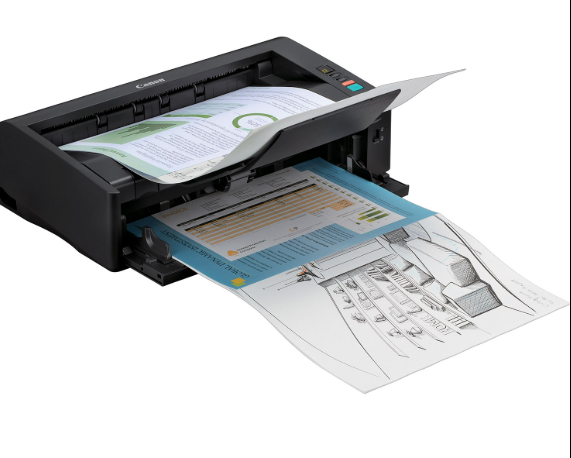
Protecting documents during scanning means handling everything from delicate old records to large plans without causing harm, especially when files have different sizes or materials. Many digitisation projects deal with everything from thin invoices to thick ID cards in the same batch. A scanner designed for controlled paper paths, flexible media handling, and reliable feed mechanisms helps ensure originals remain intact.
This is where modern desktop sheet-fed scanners play a role. Features like straight-path feeding and folio scanning allow teams to digitise documents that would otherwise require manual intervention. Over time, this consistency directly impacts archive quality and long-term record integrity.
Access Depends On Speed And Consistency
Digitisation only works when scanned data is actually usable. Slow capture, inconsistent output, or frequent rescans quickly erode project timelines. High-volume environments such as government offices, legal firms, or shared service centres need predictable performance across thousands of pages.
When teams evaluate the best document scanners for digitisation projects, speed alone is not the deciding factor. Duplex scanning, stable image quality, and accurate text capture matter just as much. Scanners that maintain output clarity at higher speeds allow digital records to be indexed, searched, and retrieved with confidence, without creating downstream cleanup work.
Compliance Is Built Into The Workflow
Regulatory compliance often comes down to traceability and accuracy. Documents need to be scanned at defined resolutions, stored correctly, and, in some cases, linked to barcodes or metadata. A scanner that supports consistent optical resolution, barcode recognition, and reliable batch handling reduces the margin for human error.
This is one reason why Canon high-speed scanners are commonly used in compliance-driven environments. Devices such as the imageFORMULA DR-M1060II are engineered for high-volume mixed-batch scanning, supporting long documents, a range of paper weights, and stable duplex performance without requiring constant recalibration. Used correctly, such scanners help teams meet audit requirements without slowing daily operations.
Scaling Digitisation Without Disruption
Large-scale digitisation is rarely a one-time project. It often grows over time as departments digitise ongoing records alongside archives. Compact desktop scanners with high daily duty reliability fit naturally into these developing workflows. They do not require major infrastructure changes yet support sustained output.
Closing Perspective
Preservation, access, and compliance are not separate goals. They rely on each other. When the scanning process respects documents, supports speed, and aligns with regulatory needs, digitisation becomes sustainable rather than stressful. The right scanner does not draw attention to itself. It simply keeps the system working.