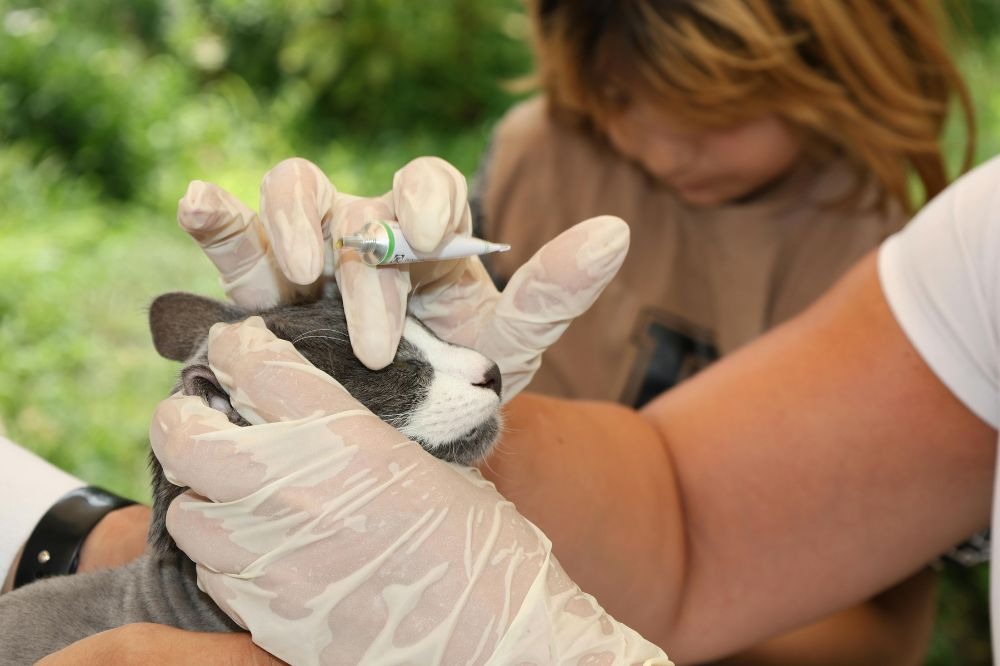
When your pet suddenly gets sick or hurt, it’s honestly one of the worst feelings. Everything just kind of hits you at once. One minute they’re running around like normal, and the next they’re not acting like themselves at all. You start asking yourself a hundred questions—Did they eat something? Did I miss a sign? Is this serious?
And in that moment, thinking clearly isn’t exactly easy.
That’s why having even a rough idea of what to do can help more than you’d expect. You don’t need to be perfect or super prepared—but a little awareness can make things feel less chaotic when it actually happens.
So… when is it really an emergency?
This is where a lot of people hesitate. You don’t want to overreact, but you also don’t want to ignore something serious.
A good rule? If your pet is struggling to breathe, bleeding heavily, can’t stand properly, or has eaten something clearly dangerous—don’t wait. Just go to the emergency pet clinic in Dubai. It’s not worth the risk of waiting it out.
There are also those situations that feel a bit less obvious but are still serious. Things like seizures, constant vomiting, or if your pet suddenly collapses out of nowhere. Even extreme lethargy—like they just won’t move or respond—can be a warning sign.
And honestly, sometimes you can’t even explain it. Something just feels… off.
That gut feeling? It matters. You know your pet better than anyone.
Trying to get your thoughts together before leaving
Now, in a perfect world, you’d grab everything neatly organized before heading out. But real life doesn’t work like that.
Still, if you can, take a quick second to think about a few basics. The vet will probably ask you things like:
- Has your pet had any health issues before?
- Are they on any medication?
- Do they have allergies?
- What exactly happened, and when did it start?
You don’t need perfect answers. Even rough details help. Like, “They were fine this morning, then started vomiting an hour ago.” That alone gives the vet something to work with.
If you’ve got medical records saved on your phone, great. If not, don’t stress—it’s not the end of the world.
Keeping your pet calm… or at least trying to
This part can be harder than it sounds. When you’re stressed, your pet usually feels it too. They might already be scared or in pain, so everything feels more intense for them.
Try to slow things down just a little. Talk to them softly. Even if you’re panicking inside, your tone can still be calm.
If they’re injured, avoid touching that area too much. It can make things worse or cause them more pain. A simple towel or blanket can actually help a lot—it keeps them warm and makes them feel a bit more secure.
For smaller pets, a carrier is usually the safest option. For bigger ones, just do your best to keep them from moving around too much in the car. You don’t need a perfect setup—just something stable and safe.
Having a few basics at home
You don’t need a full emergency kit like a vet clinic, but having a few simple things around can help in those first moments.
Stuff like:
- bandages
- gauze
- saline solution
- a thermometer
Nothing fancy. Just basic things that might help you manage a small issue or keep things under control until you reach the clinic.
It’s not about treating your pet yourself—it’s more about buying a bit of time.
Knowing where you’re going (seriously, this helps a lot)
This is one of those things people don’t think about until they’re already stressed.
Try to have at least one emergency clinic saved in your phone. Know roughly how far it is and how to get there. Because when something happens, the last thing you want is to be searching directions while freaking out.
If you live in a busy area, maybe even have a backup clinic just in case. And if you travel with your pet, it’s worth quickly checking nearby options wherever you go.
It sounds small, but in the moment, it makes a big difference.
Calling ahead—if you can manage it
This step gets skipped a lot, but it can actually help.
If you have a minute, call the clinic and let them know you’re on the way. Just a quick explanation of what’s happening is enough.
Something like, “My dog just ate something toxic” or “My cat is having trouble breathing.”
It gives them a chance to prepare before you even arrive, which can save time.
What happens once you get there
When you arrive, the staff will usually check your pet pretty quickly. Emergency clinics are used to these situations, so they’ll move fast if needed.
They’ll ask questions—probably the same ones you were trying to remember earlier—and then decide what to do next. Sometimes it’s simple. Other times, they might need to run tests like blood work or X-rays.
In some cases, your pet might need to stay for observation or treatment. And yeah… that part can be tough. Leaving them there isn’t easy.
But the staff will explain what’s going on and what the next steps are.
The waiting part (probably the hardest part)
Waiting is never easy, especially when you’re worried. And emergency clinics can get busy. Sometimes other cases are more urgent, and you might have to wait longer than you’d like.
It’s frustrating, but it’s just how these places work.
Try to stay calm if you can. Sit with your pet if they’re with you. Talk to them. Even small things like that can help.
After you finally get back home
Once things settle down and your pet is back home, your job isn’t over yet.
Follow whatever the vet told you—medications, rest, follow-ups. It might seem simple, but it really matters for recovery.
Keep an eye on your pet over the next few days. You’ll notice small changes quicker than anyone else. If something doesn’t feel right again, don’t ignore it.
Being a bit more prepared next time
No one likes thinking about emergencies, but they do happen.
A few small things can make future situations easier:
- save clinic numbers in your phone
- keep medical info in one place
- get your pet used to car rides or carriers
- learn a bit of basic first aid
You don’t need to go overboard—just enough to feel a little more ready.
Final thought
At the end of the day, no one ever feels fully prepared for something like this. And that’s okay.
What really matters is how you respond in the moment. Staying as calm as you can, acting quickly, and getting help when needed—that’s what makes the biggest difference.
Your pet depends on you in those situations. And honestly, just being there and doing your best already means a lot.