If you’re planning Poland historical sightseeing tours and thinking mainly about castles, Old Town squares, and World War II landmarks, you should also be thinking about what you’ll eat between stops. Polish food isn’t flashy. It doesn’t try to impress you. But it’s deeply satisfying, rooted in climate and tradition, and far more varied than many travelers expect.
This is comfort food built for long winters. Hearty soups. Dumplings. Cabbage in many forms. Slow-cooked meats. But also delicate pastries and surprisingly refined modern takes in cities like Kraków and Warsaw.
I’ve eaten in milk bars in Kraków, modern bistros in Warsaw, and mountain inns in Zakopane. Here’s what you should actually focus on — and what many visitors misunderstand.
Pierogi: Yes, But Don’t Stop There
Let’s start with the obvious.
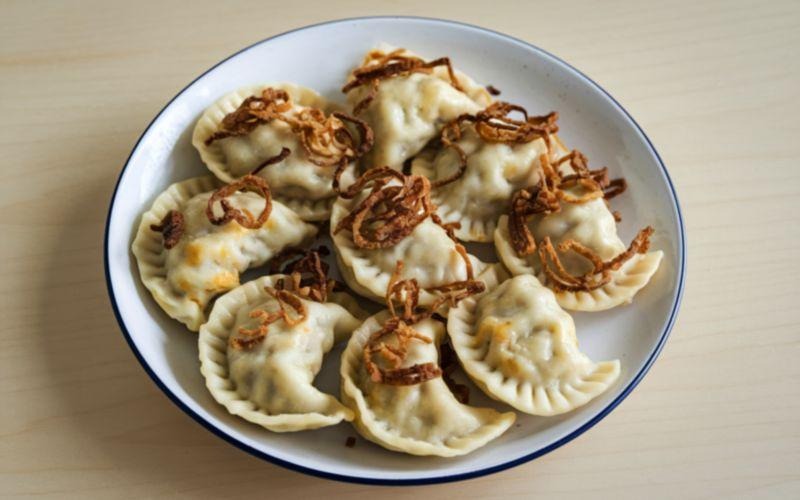
Pierogi are Polish dumplings, usually filled with potato and cheese (ruskie), meat, mushrooms, or sauerkraut. They’re boiled and sometimes pan-fried in butter.
They’re good. Very good when done well.
But this is where trips often go wrong: travelers eat pierogi at every meal and think they’ve “done” Polish cuisine. Pierogi are just one piece.
If you order them, ask whether they’re made in-house. In tourist-heavy Old Town areas, frozen versions do appear. Walk a few streets away. Look for places filled with locals.
In Kraków, I once ordered mushroom pierogi on a cold afternoon. Served with caramelized onions and sour cream. Simple, but exactly right after hours of walking.
Żurek: The Soup You Didn’t Expect to Love
Żurek is a sour rye soup, often served in a bread bowl.
It contains sausage, sometimes egg, and has a slightly tangy flavor from fermented rye flour. It sounds odd. It works.
The first spoonful can surprise you. By the third, it makes sense.
If you’re visiting during colder months, this soup feels almost necessary. In Warsaw, I had żurek during a snowstorm. It warmed everything — hands, mood, appetite.
Don’t skip Polish soups. They’re a highlight.
Bigos: Hunter’s Stew Done Right
Bigos is a slow-cooked stew made with sauerkraut, fresh cabbage, various meats, and spices. It’s rich, slightly sour, and deeply comforting.
It’s not photogenic. It won’t look impressive on Instagram. But when made properly, it has layers of flavor built over hours — sometimes days — of cooking.
If you see bigos on a traditional menu, especially outside major tourist zones, order it.
This is real Polish home cooking.
Milk Bars (Bar Mleczny): Eat Like a Local
Milk bars are government-subsidized cafeterias that date back to communist times. They’re not trendy. They’re functional.
But the food can be excellent — homemade soups, dumplings, cutlets, cabbage salads. Prices are low. Portions are generous.
In Kraków, I once stood in line at a milk bar surrounded by office workers and students. No English menu. No décor to speak of. But the potato pancakes (placki ziemniaczane) were crisp and perfect.
Most tourists avoid these places because they look basic. That’s a mistake.
Kotlet Schabowy: The Polish Cutlet
Kotlet schabowy is Poland’s version of a breaded pork cutlet, similar to schnitzel. It’s usually served with mashed potatoes and warm cabbage.
It’s not sophisticated. It’s straightforward and satisfying.
After a long day of sightseeing — especially on Poland historical sightseeing tours that cover serious, emotional history — a plate of schabowy and potatoes can feel grounding.
Order it with a side of mizeria (cucumber salad with sour cream) to balance the heaviness.
Oscypek: A Taste of the Mountains
If you’re heading to Zakopane or the Tatra region, try oscypek.
It’s a smoked sheep’s cheese, often grilled and served with cranberry sauce. Salty, smoky, slightly chewy.
You’ll see it sold at market stalls in decorative shapes. Not all versions are equal. If possible, ask whether it’s traditional sheep’s milk oscypek rather than a cow’s milk variation.
Freshly grilled, eaten outdoors in mountain air — that’s how it’s meant to be enjoyed.
Polish Bread and Breakfast
Bread matters in Poland.
Dark rye loaves, seeded rolls, hearty slices that hold up to spreads and meats. Breakfast in hotels can be generous — cold cuts, cheeses, eggs, salads, bread.
If you’re staying in an apartment, visit a local bakery in the morning. Buy a fresh roll and some smoked sausage. Simple. Authentic.
Most people overlook bakeries because they’re focused on sightseeing schedules. Slow down. Morning bread is part of daily life here.
Desserts: More Than Just Sweet
Polish desserts are worth attention.
Sernik (cheesecake) is lighter than its American counterpart. Makowiec (poppy seed roll) is common during holidays but often available year-round. Pączki (filled doughnuts) appear in bakeries and are best eaten fresh.
In Warsaw, I once ducked into a small café during rain and ordered apple szarlotka with tea. Not fancy. But comforting in a way that feels very Polish.
Desserts here are less about excess and more about tradition.
Vodka and Drinks
Vodka is part of Polish culture. You’ll find flavored varieties — cherry, honey, herbal.
Sip slowly. It’s stronger than it tastes.
Beer is also widely enjoyed and often excellent, especially from small regional breweries.
If you’re not drinking alcohol, kompot (fruit drink) is a common non-alcoholic option.
A Few Practical Notes
Polish portions are filling. Order carefully.
Lunch is often the main hot meal. Dinner can be lighter, especially outside tourist areas.
English menus are common in major cities but less so in smaller towns.
Tipping is appreciated but modest — around 10% if service is good.
And yes, Polish cuisine leans meat-heavy. Vegetarians can find options (pierogi with cheese, soups, salads), but choices may be narrower in traditional restaurants.
Final Thoughts
Polish food isn’t about showmanship. It’s about substance.
Eat pierogi, but don’t stop there. Try żurek. Order bigos. Step into a milk bar. Taste oscypek in the mountains. Sit in a café and order cake without rushing.
If you’re traveling through Poland — whether independently or on Poland historical sightseeing tours — let meals anchor your day. Between museums and monuments, food offers warmth and context.
Poland tells its story through architecture and history. But it also tells it through soup bowls, bread baskets, and slow-cooked stews.
Take the time to taste it properly.
FAQs About Polish Food for Travelers
1. Is Polish food very heavy?
Many traditional dishes are hearty and meat-based. Balance them with soups and salads if you prefer lighter meals.
2. Are vegetarian options available?
Yes, especially in cities. Look for cheese pierogi, vegetable soups, and modern restaurants offering plant-based dishes.
3. What is the must-try Polish dish?
Pierogi are the most famous, but żurek soup and bigos are equally important to try.
4. Are milk bars safe for travelers?
Yes. They’re local cafeterias with affordable, traditional food. They may look simple, but they’re part of everyday Polish life.
5. Is tap water safe to drink?
Yes, tap water in Poland is safe in major cities.
6. Do I need reservations for traditional restaurants?
In popular areas of Kraków or Warsaw, reservations are recommended, especially on weekends.
7. What’s the biggest food mistake travelers make?
Staying only in Old Town restaurants and not exploring neighborhood spots or milk bars where locals actually eat.