Moroccan food gets talked about a lot.
But it’s rarely explained in a way that helps travelers actually eat well.
Most people arrive knowing a few words—tagine, couscous, mint tea—and then repeat the same meals every day. That’s not wrong. It’s just limited. Moroccan food changes by city, time of day, and setting more than first-time visitors expect.
This guide comes from eating Morocco the normal way. Street stalls. Family-run restaurants. Long lunches that weren’t planned. Dinners that started late and ended even later.
If you’re traveling on Marrakech and Casablanca tour packages, food will quietly shape your days whether you plan for it or not. Better to lean into that early.
How Meals in Morocco Really Work
Moroccan meals aren’t rushed.
Lunch is often the main event. Dinner can be lighter, but it runs late. Very late.
Food arrives all at once. Plates are shared. Bread replaces cutlery more often than you think.
This is where trips often go wrong: travelers plan packed afternoons after heavy lunches and wonder why energy disappears. Moroccan food fills you up gently, then suddenly.
Build space around meals. It matters.
Tagine: Yes, Eat It—but Vary It
You’ll eat tagine. You should.
But tagine isn’t one dish. It’s a method. Slow-cooked. Sealed. Patient.
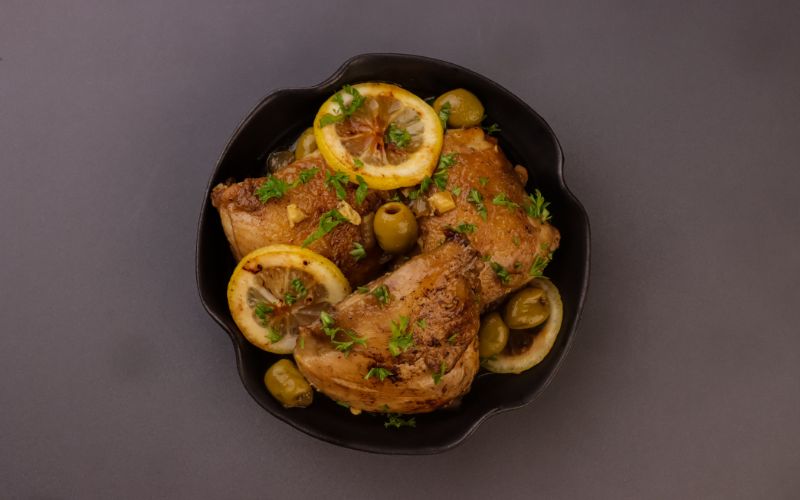
Chicken with preserved lemon. Lamb with prunes. Vegetables with spices that build quietly instead of hitting you all at once.
Most people miss this: ordering the same tagine every day gets boring fast. Change proteins. Change cities. The dish adapts.
Also, tagine is usually for sharing. Ordering one per person is often too much.
Couscous: Timing Matters
Couscous is famous, but it’s not an everyday dish in Morocco.
Traditionally, it’s eaten on Fridays, often at lunch. That’s when it’s freshest and most meaningful.
Eating couscous on a random Tuesday night isn’t wrong—but it’s rarely special.
If you see couscous offered as a Friday special, that’s the one to try.
Street Food: Where Morocco Feels Alive
Some of the best food in Morocco doesn’t come with chairs.
Grilled meats. Fried snacks. Fresh juices. Bread stuffed and handed over in paper.
I’ve had meals standing at a stall, surrounded by locals, that were better than full restaurant dinners.
Most people miss this because they’re cautious. Watch where locals line up. Start there.
One warning: eat street food when it’s busy. Quiet stalls are a risk.
City-to-City Food Differences
Morocco’s food changes more by city than travelers expect.
In Marrakech, flavors are bold and slightly sweet. Spices lean warmer. Tagines are rich.
In Casablanca, food feels more modern. Seafood appears more often. Portions are generous.
In smaller towns, menus shrink. Food becomes simpler. Often better.
Travelers who eat the same dishes everywhere miss these shifts.
Bread, Salads, and the Table
Bread is essential. It’s how you eat. Tear it. Scoop with it. Share with it.
Salads arrive before mains. Cooked, spiced, served at room temperature.
Don’t rush these. They’re not appetizers in the Western sense. They set the tone of the meal.
One small mistake travelers make: filling up on bread too early. Pace yourself.
Sweets and Tea: Not Just Dessert
Mint tea isn’t a drink. It’s a pause.
You’ll be offered tea after meals, during shopping, sometimes for no reason at all. Accept when you can. It’s part of the rhythm.
Desserts are simple. Cookies. Pastries. Honey and nuts.
Morocco doesn’t end meals with heavy sweets. Tea closes the circle.
Eating Well While Moving Around
If you’re traveling on Marrakech and Casablanca tour packages, your eating rhythm will shift by day.
Busy city mornings. Long lunches. Late dinners.
Plan sightseeing around food, not the other way around. You’ll walk more comfortably and remember meals better.
Common Food Mistakes Travelers Make
- Ordering one dish per person instead of sharing
- Eating only in tourist restaurants
- Skipping street food entirely
- Rushing meals
Slow down. Watch locals. Adjust.
Final Thoughts
Moroccan food isn’t about ticking dishes off a list.
It’s about time, sharing, and letting meals unfold.
Eat tagine, but change it up. Try street food. Pay attention to when dishes are meant to be eaten.
If you do that, food in Morocco will stop feeling like an attraction and start feeling like part of daily life—which is where it belongs.
FAQs
1. Is Moroccan food very spicy?
No. It’s spiced, not hot.
2. Is street food safe?
Yes, if stalls are busy and food is fresh.
3. Is vegetarian food easy to find?
Yes, especially vegetable tagines and salads.
4. Do I need reservations?
Rarely, except for popular riads.
5. Can I eat with my hands?
Yes. Bread is your tool.
6. What’s the biggest food mistake?
Eating the same dishes every day.