Food in Mexico isn’t a side activity. It’s the structure of the day. You don’t eat between plans—you plan around eating. Miss that, and the trip feels rushed, slightly off, like you’re always arriving late to something important.
I’ve eaten my way through markets, late-night street corners, family kitchens, and places that only open when the cook feels like it. The common thread? The best food is rarely polished. It’s confident. It knows exactly what it’s doing.
This guide isn’t about listing everything Mexico is famous for. It’s about what you should actually eat, what travelers often misunderstand, and where expectations tend to trip people up—whether you’re traveling independently or following a route built around Mexico cultural and heritage tour packages.
Tacos Are the Beginning, Not the Point
Yes, tacos are essential. No, they’re not all the same.
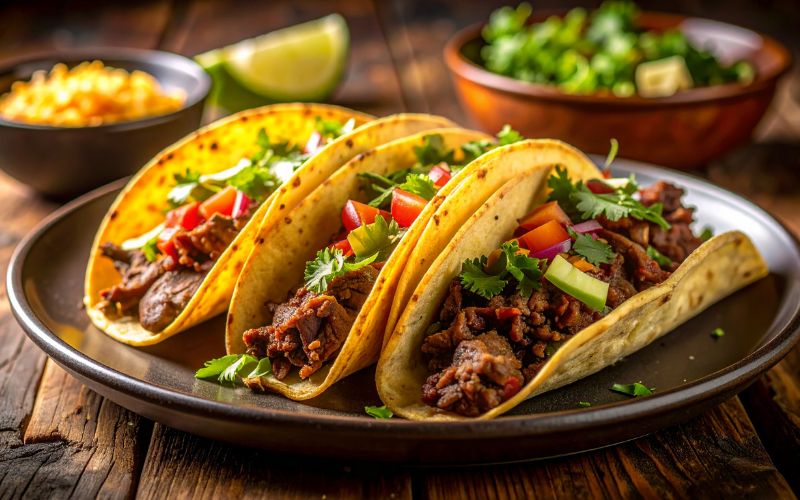
A proper taco is simple. One or two fillings. Soft corn tortilla. Minimal toppings. Salsa added after, not buried underneath.
Al pastor, carne asada, suadero, carnitas. All classics. All different. Order two at a time. Eat standing up if that’s how the place works.
This is where trips often go wrong: people judge tacos based on the first tourist-heavy taquería they visit. Bad tortillas ruin everything. If the tortilla tastes like cardboard, leave.
Late-night taco stands are often better than daytime ones. Follow the smoke. Follow the crowd.
Street Food Is the Real Classroom
If you want to understand Mexican food, eat on the street.
Elotes and esquites (corn with chili, lime, cheese). Quesadillas that may or may not have cheese depending on the region. Tlayudas in Oaxaca. Tamales wrapped in leaves, not paper.
Most people miss this because they’re worried about hygiene. Fair concern, but busy stalls with high turnover are usually safe. Fresh food moves fast.
I’ve eaten tamales at 7 a.m. from a woman selling out of a cooler and had some of the best food of my life before breakfast.
Moles: Don’t Order Blind
Mole is complex. Deep. Time-consuming. And wildly misunderstood.
There isn’t one mole. There are many. Some are sweet. Some are smoky. Some are bitter. Some are spicy. All are intentional.
If you see mole on a menu and don’t know which kind it is, ask. If the server can’t explain it, consider ordering something else.
Oaxaca is the place to try it properly, but even there, quality varies. A good mole lingers. A bad one feels muddy.
This is not a dish you rush through.
Regional Food Matters More Than Famous Food
Mexico doesn’t have one cuisine. It has many.
In the Yucatán, look for cochinita pibil—slow-roasted pork with citrus and achiote. In central Mexico, stews and soups like pozole and birria dominate. In the north, meat takes center stage.
Travelers often stick to “Mexican food” instead of regional food. That’s like eating pasta everywhere in Italy and calling it a day.
If your itinerary includes Mexico cultural and heritage tour packages, pay attention to where you are. Order what belongs there.
Salsas Are Not Decoration
Salsa isn’t garnish. It’s seasoning.
Red, green, cooked, raw, smoky, acidic. Heat levels vary wildly. Test before you pour.
Locals usually taste first. Do the same. One wrong ladle can overpower the entire dish.
And no, asking for “not spicy” doesn’t mean what you think it means. It usually means “less chili,” not “none.”
Soups Are Underrated (And Perfect for Travel Days)
Pozole. Menudo. Sopa de tortilla. Caldo de pollo.
Soups are filling, comforting, and ideal when you’re tired, dehydrated, or adjusting to heat and altitude. They’re also eaten at specific times—pozole is often a weekend lunch thing, not a random dinner order.
If you see locals eating soup at a place, follow suit.
This is also a good move if your stomach needs a break from fried food.
Breakfast Is Quietly Excellent
Mexican breakfasts don’t get enough credit.
Chilaquiles with salsa and eggs. Huevos rancheros. Fresh tortillas. Beans done properly.
Breakfast is also when you’ll find some of the most traditional cooking, especially in smaller towns. Places close early. Don’t sleep in every day.
One of my favorite meals in Mexico was chilaquiles eaten at a plastic table while a family argued gently in the background. Nothing fancy. Perfect.
Drinks: Skip What You Expect, Try What’s Local
Agua frescas—hibiscus, tamarind, horchata—are everywhere and should be your default. They’re refreshing and less sweet than sodas.
Coffee varies by region. In some places, it’s great. In others, it’s functional. Don’t chase café culture unless you’re in cities known for it.
Tequila and mezcal deserve respect. Sip them. Don’t shoot them. Ask where they’re from.
Timing and Patience Matter
Lunch is the main meal, often between 2 and 4 p.m. Dinner can be late but lighter.
Some places open when they want and close when they’re done. If you show up and they’re out of something, that’s not bad service. That’s reality.
Build flexibility into your days. Food rewards it.
Final Thoughts
Mexican food is layered, regional, and deeply personal. It doesn’t perform for visitors—it expects you to meet it halfway.
Eat where locals eat. Ask questions. Repeat dishes. Notice differences. That’s how understanding builds.
Whether you’re wandering independently or following routes shaped by Mexico cultural and heritage tour packages, the meals you remember most won’t be the ones you researched in advance. They’ll be the ones you stumbled into, hungry and open-minded.
That’s the point.
FAQs
1. Is it safe to eat street food in Mexico?
Yes, if the stall is busy and food is freshly cooked. High turnover is a good sign.
2. Is Mexican food always spicy?
No. Many dishes are mild. Heat usually comes from salsas you add yourself.
3. Can vegetarians eat well in Mexico?
Yes, but you need to ask questions. Beans, cheese, eggs, and vegetables are common, but meat is often assumed.
4. What’s the biggest food mistake travelers make?
Eating only at tourist restaurants and skipping local spots with simple menus.
5. Do I need reservations for good restaurants?
For high-end places, yes. For street food and local eateries, no.
6. Is tap water safe to drink?
Generally no. Stick to bottled or filtered water.
7. How late do places serve food?
Street food can run very late. Restaurants vary by region and day.